Which Hormones Work Synergistically To Retain Water
Ever feel like your body is holding onto water like a camel crossing the desert? It’s a common experience, and understanding why it happens is surprisingly fascinating! While we often think of hormones as these mysterious, controlling forces, they're actually just messengers helping our body function smoothly. And when it comes to water retention, it’s not usually a solo act; it's often a team effort involving several hormones working in synergy. So, let’s dive into which hormonal players are involved in this watery waltz.
Our bodies are mostly water – about 60% on average! Maintaining this delicate balance is crucial for everything from transporting nutrients to regulating temperature. Water retention, also known as fluid retention or edema, occurs when the body holds onto excess water. A little bit is normal, especially for women during their menstrual cycle. However, excessive water retention can lead to bloating, discomfort, and even signal underlying health issues.
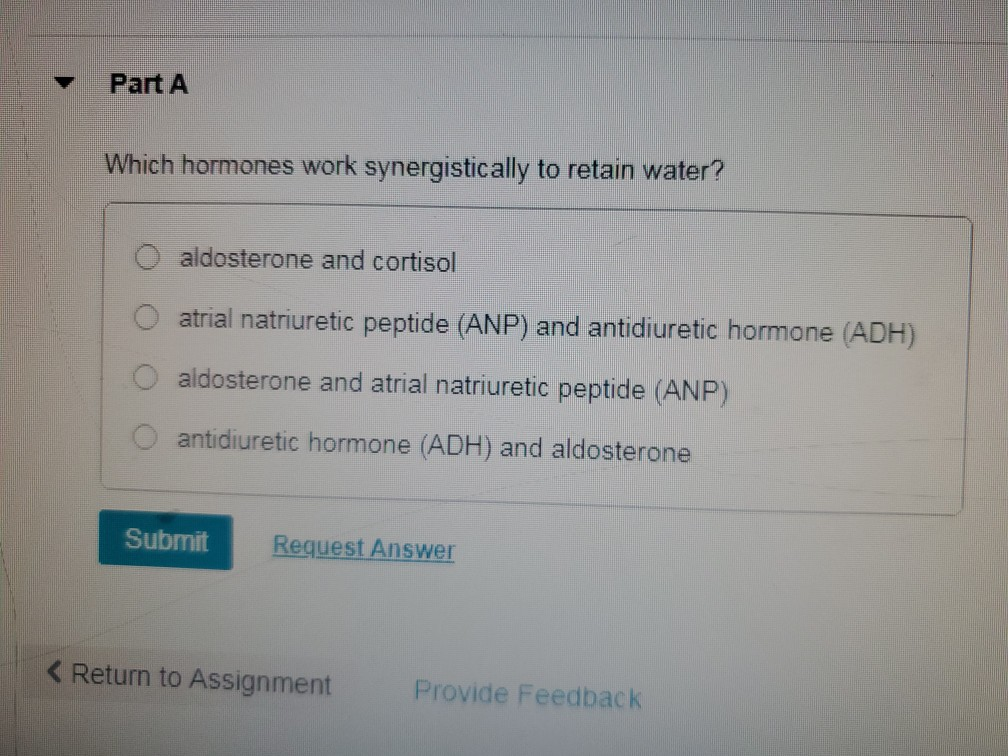
Now, let's meet the key hormonal players in water retention. The stars of the show are Antidiuretic Hormone (ADH), also known as vasopressin, and Aldosterone. ADH, produced by the hypothalamus and released by the pituitary gland, is the main regulator of water reabsorption in the kidneys. When your body is dehydrated, ADH levels rise, signaling the kidneys to conserve water and produce more concentrated urine. Think of it as your body's internal water conservation expert! Aldosterone, produced by the adrenal glands, primarily regulates sodium levels. But since water follows sodium, aldosterone indirectly influences water retention. When aldosterone levels increase, the kidneys retain more sodium, and consequently, more water.
Must Read
The synergy between ADH and Aldosterone is where the real magic happens. While each hormone has its independent effect, they amplify each other’s impact. Imagine a scenario where you are sweating heavily during a workout. Your body loses both water and sodium. In response, both ADH and aldosterone are released. ADH tells your kidneys to reabsorb water, while aldosterone tells them to reabsorb sodium. This coordinated action minimizes fluid loss and helps maintain blood pressure.
Understanding this hormonal interplay has practical applications. In education, for example, high school biology classes can use this example to illustrate the concept of hormonal regulation and homeostasis. In daily life, awareness of these hormones can help us make informed decisions about our health. For example, people with heart failure often experience edema due to impaired kidney function and increased ADH and aldosterone levels. Knowing this, they can work with their doctors on strategies like dietary sodium restriction and medications to manage their fluid balance.
Want to explore this further? Pay attention to how your body responds to salty foods. Do you feel bloated the next day? That's likely aldosterone at work. Also, observe your urine output after drinking different amounts of water. If you drink a large volume, your ADH levels should decrease, leading to more dilute urine. If you're feeling curious, you can research the effects of specific medications on ADH and aldosterone. Keep a journal to track these observations. Remember, this information is for educational purposes, and always consult with a healthcare professional for any health concerns.