
Which Energy Source Is Most Important For Cars
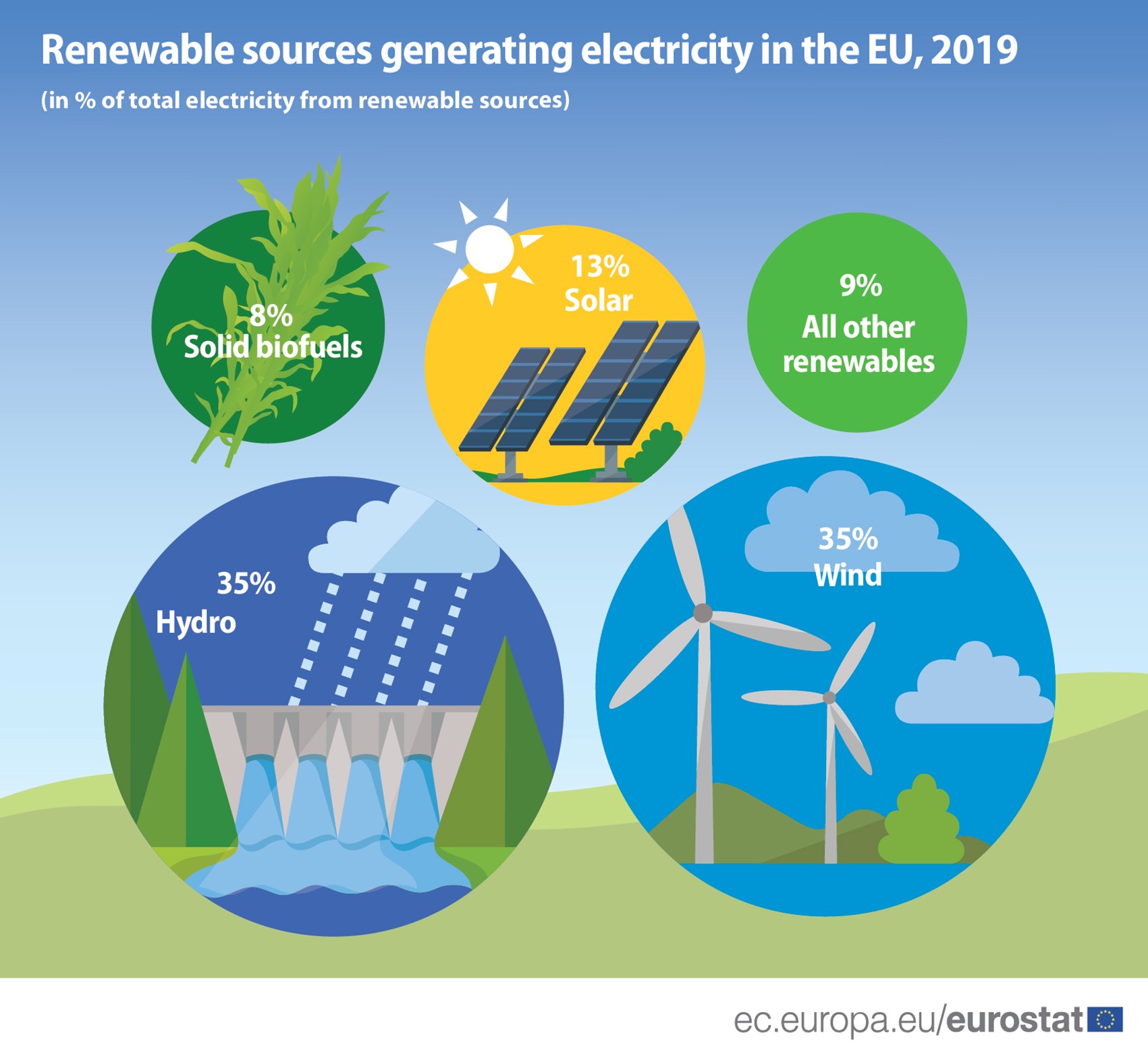
Alright, gather 'round, folks! Let's settle this once and for all. We're talking about cars, those glorious, sometimes frustrating, metal boxes on wheels. But what makes 'em GO? What's the real MVP of automotive energy? It’s a question that’s sparked more debates than whether pineapple belongs on pizza (it doesn’t, obviously).
Now, before we dive headfirst into the energy pool, let's acknowledge the contenders. We've got good ol' gasoline, the grandpa of car fuel. Then there's electricity, the hip, young upstart. And don’t forget the quirky cousins like hydrogen, biofuels, and even the fleeting dream of powering our cars with sheer willpower (okay, maybe not willpower, but wouldn't that be something?).
Gasoline: The King (For Now)
Gasoline! The classic. For over a century, it's been the undisputed ruler of the road. You pump it, you burn it, you zoom (or crawl in rush hour traffic, same difference). It's as American as apple pie, except, you know, it comes from the ground and is, like, kinda bad for the environment. But hey, nobody's perfect, right?
Must Read
Here’s the thing about gasoline: it’s reliable. We know how it works. We have gas stations on practically every corner. And, let’s be honest, the sound of a roaring V8 engine is something akin to automotive poetry for some people. I once saw a guy propose to his car… I'm not kidding. True love (or maybe just fumes?).
But! (There’s always a but, isn’t there?) Gasoline's reign is being challenged. It's like that aging rock star who’s still putting out albums, but everyone’s secretly listening to the new kid on the block. And that new kid? That's electricity.
Electricity: The Eco-Warrior (With a Silent Engine)
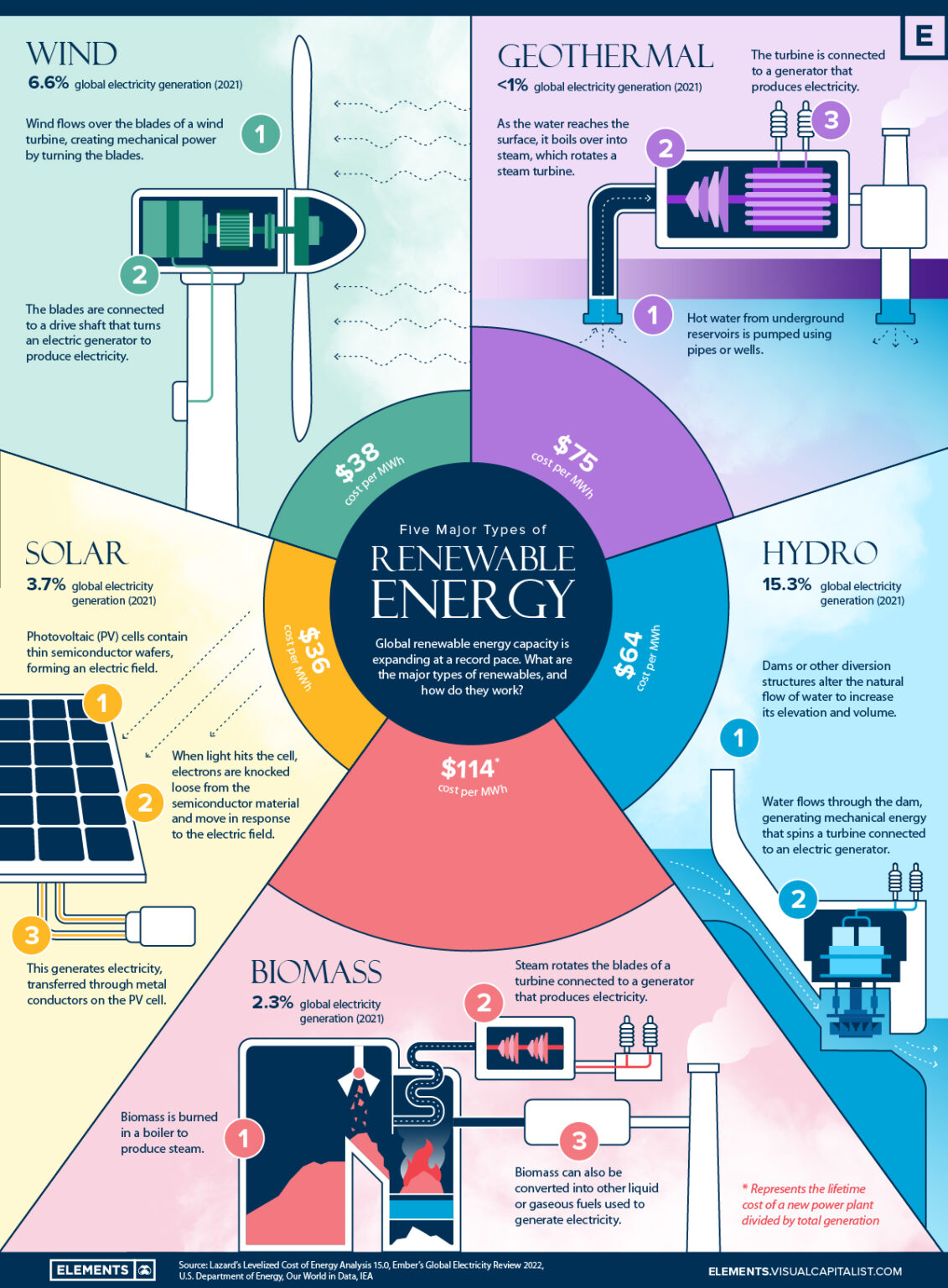
Ah, electricity! The darling of the environmentally conscious. Electric cars are all the rage, and for good reason. They're quiet, they're often zippy, and they don't spew exhaust into the atmosphere (at least, not directly – let's not forget where that electricity actually comes from!). Plus, the instant torque is a huge plus, leading to some impressively fast acceleration times. You might accidentally leave your groceries in the trunk at the lights!
Driving an electric car is like gliding along in a futuristic spaceship. It's smooth, it's silent... almost too silent. I once nearly walked in front of a Tesla because I didn't hear it coming. Seriously, they need to install little spaceship noises or something.
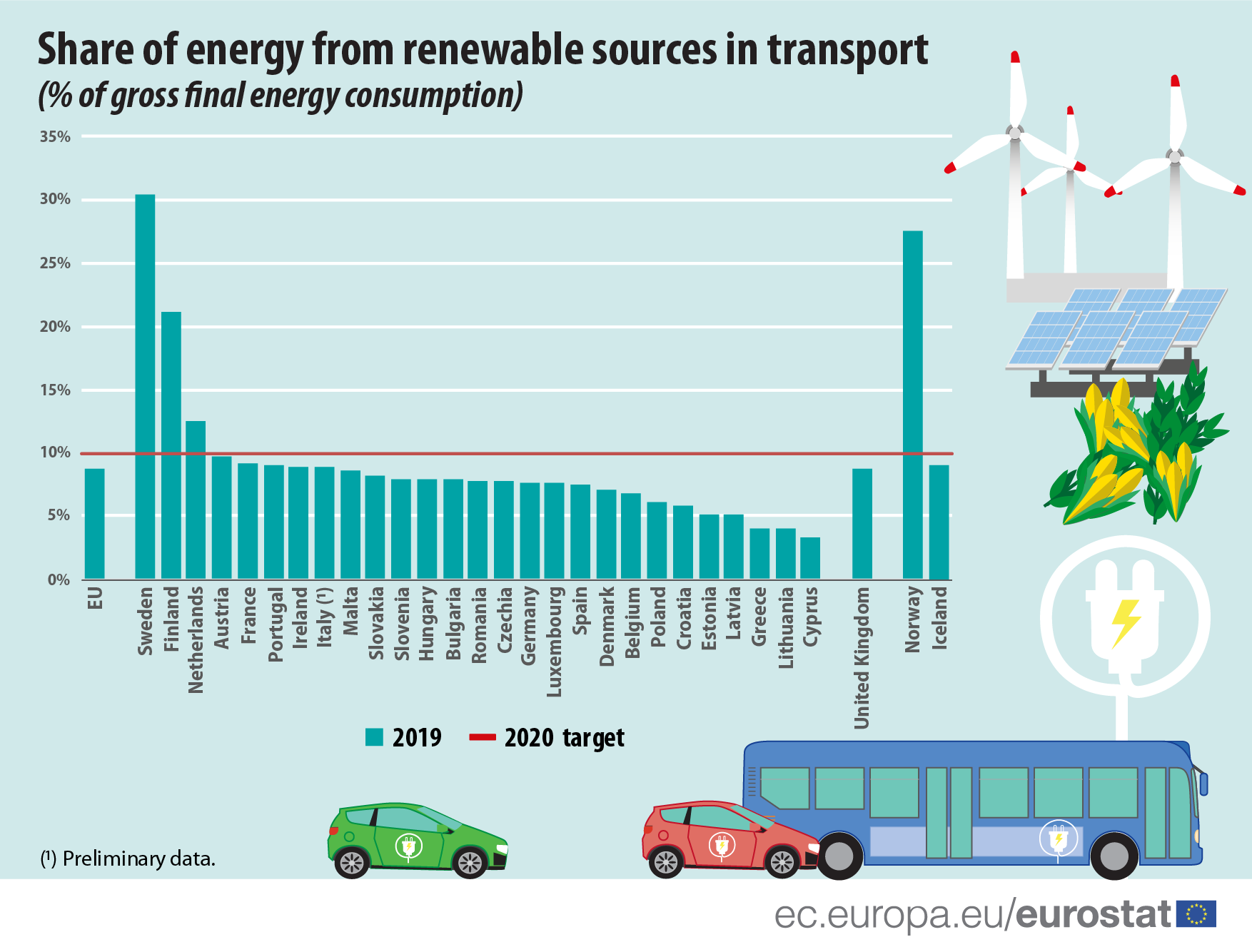
However, electric cars aren't perfect. The range anxiety is real. Picture this: you're on a road trip, the battery's getting low, and the nearest charging station is 50 miles away. You're basically playing a real-life version of Frogger, except instead of dodging cars, you're dodging the dreaded "low battery" warning. And then there's the charging time. Filling up with gasoline takes minutes; charging an electric car can take hours. It’s like waiting for dial-up internet all over again!
And let's not forget the cost. Electric cars can be pricey, although the price is coming down all the time. But still, for many people, they're out of reach. It's like trying to buy a diamond-encrusted steering wheel – cool, but maybe not the most practical purchase.
The Underdogs: Hydrogen and Biofuels
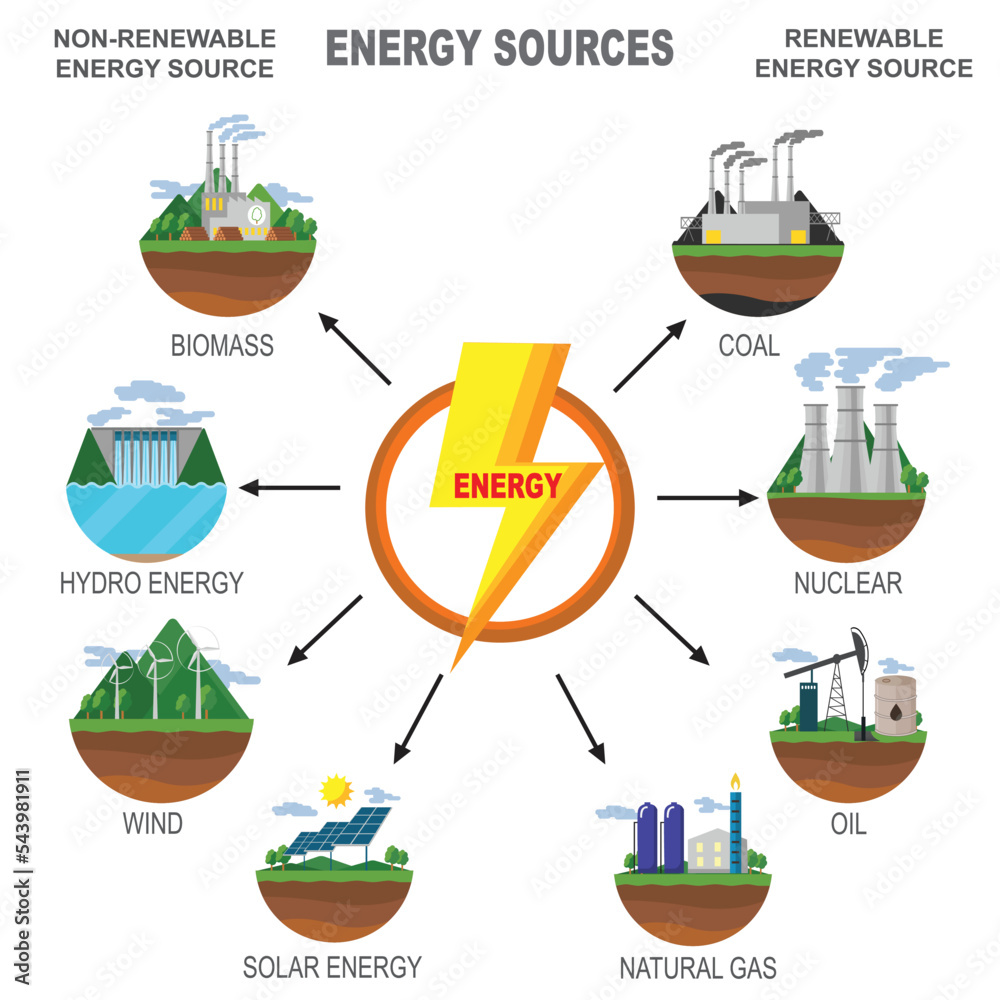
Now, let's give a shout-out to the underdogs! Hydrogen fuel cells and biofuels. These guys are trying their best to break into the automotive scene, but they're facing some serious uphill battles.
Hydrogen cars are powered by, well, hydrogen! They're clean, they're efficient, and they only emit water vapor. Sounds amazing, right? The problem is, hydrogen fueling stations are rarer than hen's teeth. Finding one is like going on a quest for the Holy Grail, except instead of the Holy Grail, you get... fuel. Exciting?

Biofuels, like ethanol, are made from renewable sources, such as corn or sugarcane. They're a more sustainable alternative to gasoline, but they also have their drawbacks. For example, growing crops for fuel can compete with food production, which isn't ideal. Plus, the energy required to produce biofuels can sometimes offset their environmental benefits. It's a bit like running on a treadmill to power the TV while you’re watching a show about getting in shape.
So, Who Wins?
So, which energy source is the most important for cars? The truth is, there's no single winner. It's more like a relay race. Gasoline is still in the lead, but electricity is gaining ground fast. Hydrogen and biofuels are bringing up the rear, but they could make a comeback in the future. The most important thing is that we keep innovating and developing new, cleaner, and more efficient ways to power our vehicles.
Ultimately, the future of automotive energy will likely be a mix of different sources. We'll probably see more electric cars, more hybrid cars, and maybe even some hydrogen cars cruising down the highway. The key is to find the right balance that works for our planet and our wallets. And maybe, just maybe, someday we'll be able to power our cars with sheer willpower. Until then, I'll stick with electricity, because who doesn't like the feeling of gliding around in a spaceship?