
Which Agent Is Rated For Use On Class A Fires
Okay, picture this: it's a lazy Saturday morning, and I'm attempting to recreate that fancy café avocado toast. You know, the one with the perfectly toasted bread? Well, my toaster oven had other ideas. One minute it's gently crisping, the next, there’s a small but undeniably alarming plume of smoke wafting upwards, followed by a tiny, terrifying flame licking at the corner of my expensive artisanal bread.
My heart immediately started doing a little tap dance of panic. My first instinct? Grab the nearest tea towel and furiously wave it at the rebellious toast. (Spoiler alert: this is generally a bad idea, unless you like fanning flames.) Luckily, it was small enough that a quick flick of the off switch and some calm fanning with my hand (not the tea towel!) got it under control before I had to call in the big guns. But it got me thinking...
What if it hadn't been so small? What if I'd truly had to reach for an extinguisher? Would any extinguisher do? Because, my friend, as much as we might wish for a universal "fire-be-gone" button, the world of fire-fighting agents is a bit more nuanced. And that brings us to our burning question (pun absolutely intended!): which agent is truly rated for use on Class A fires?
Must Read
Understanding Class A Fires: The Everyday Offenders
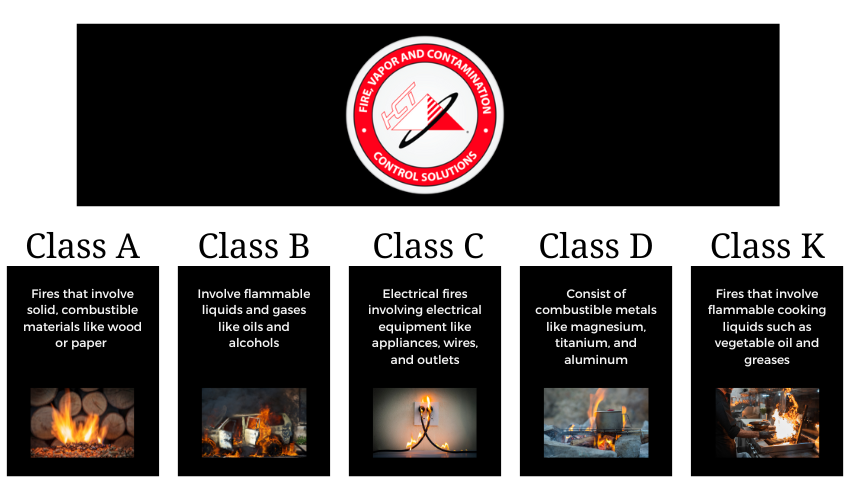
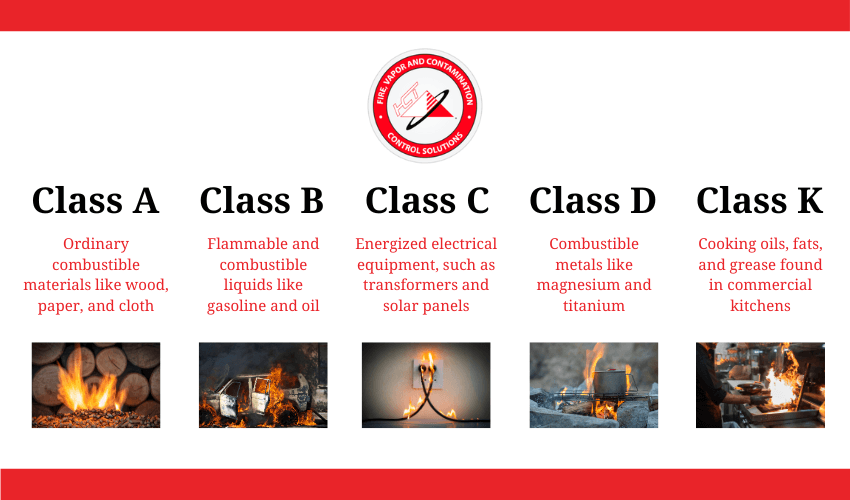
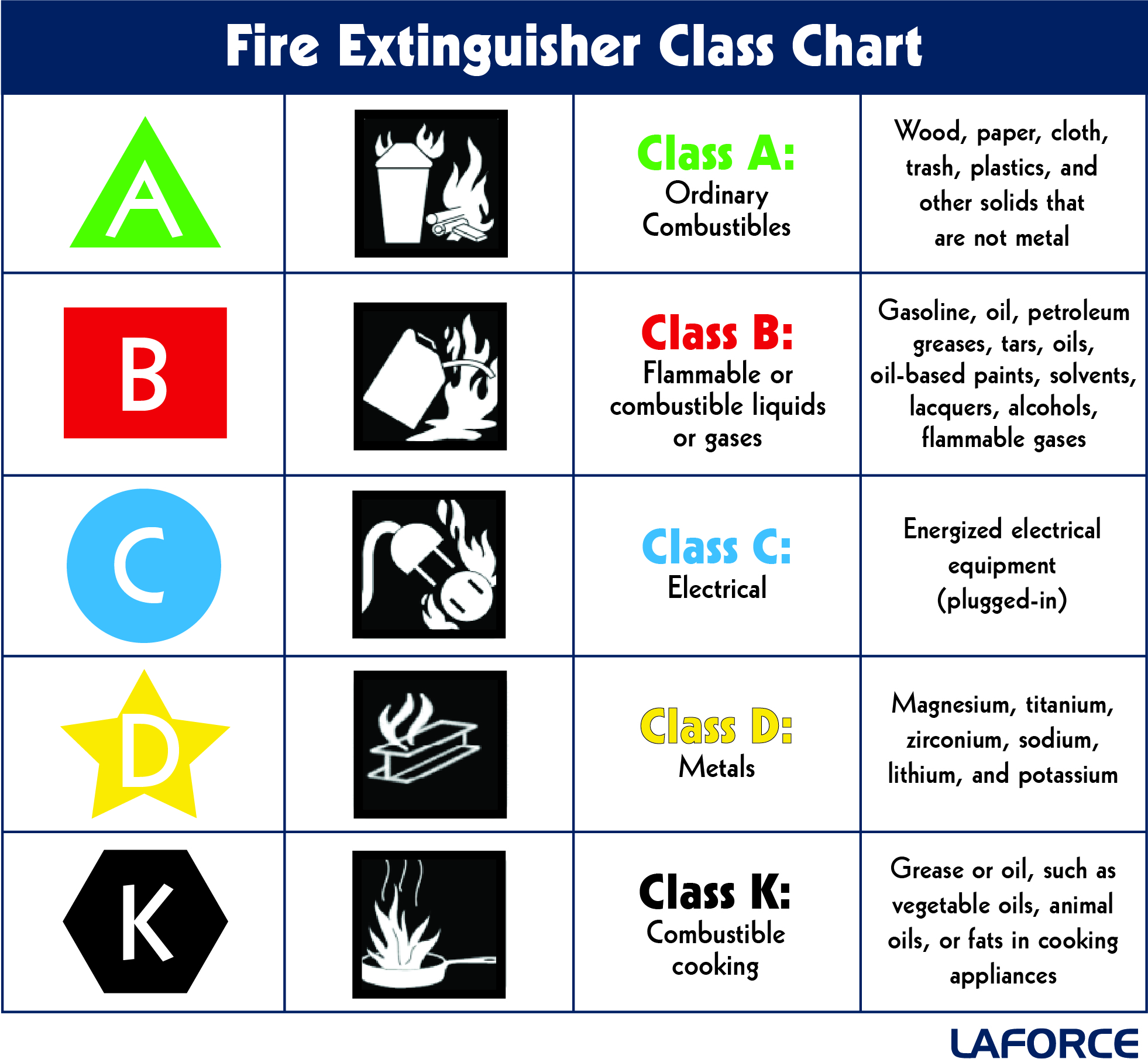
Before we dive into the hero agent, let's get cozy with what a Class A fire actually is. Imagine your house, your office, your backyard bonfire. Most of the things around you that could catch fire fall into this category. We're talking about ordinary combustibles. Think:
- Wood (that coffee table, your bookshelf)
- Paper (magazines, documents, your Amazon delivery box)
- Cloth (curtains, clothes, that tea towel I almost used)
- Plastics (many household items, toys)
- Rubber (some types of flooring, seals)
- Trash (your general waste bin, full of all the above)
Basically, if it leaves an ash, it's probably a Class A fire waiting to happen. These are the most common fires you'll ever encounter, so knowing how to tackle them is super important, don't you think?
The Undisputed Champion: Water!
Alright, drumroll please! When it comes to Class A fires, the agent you want, the one rated for the job, the tried-and-true classic, is none other than... water!
Yup, good old H2O. The stuff you drink, shower with, and sometimes slip on. It might seem too simple, but water is a superstar for Class A fires for a very specific reason: it cools the fuel below its ignition temperature.
Fires need heat to sustain themselves. When you douse a burning piece of wood or paper with water, the water absorbs a tremendous amount of heat as it turns into steam. This rapid cooling effect essentially chokes the fire by removing the heat energy it needs to continue burning. It also saturates the material, making it harder for it to reignite. Pure genius, if you ask me!
Extinguishers for Class A Fires
So, how do you get this magical water onto a fire safely and effectively? Well, you'll typically find it in a few forms:
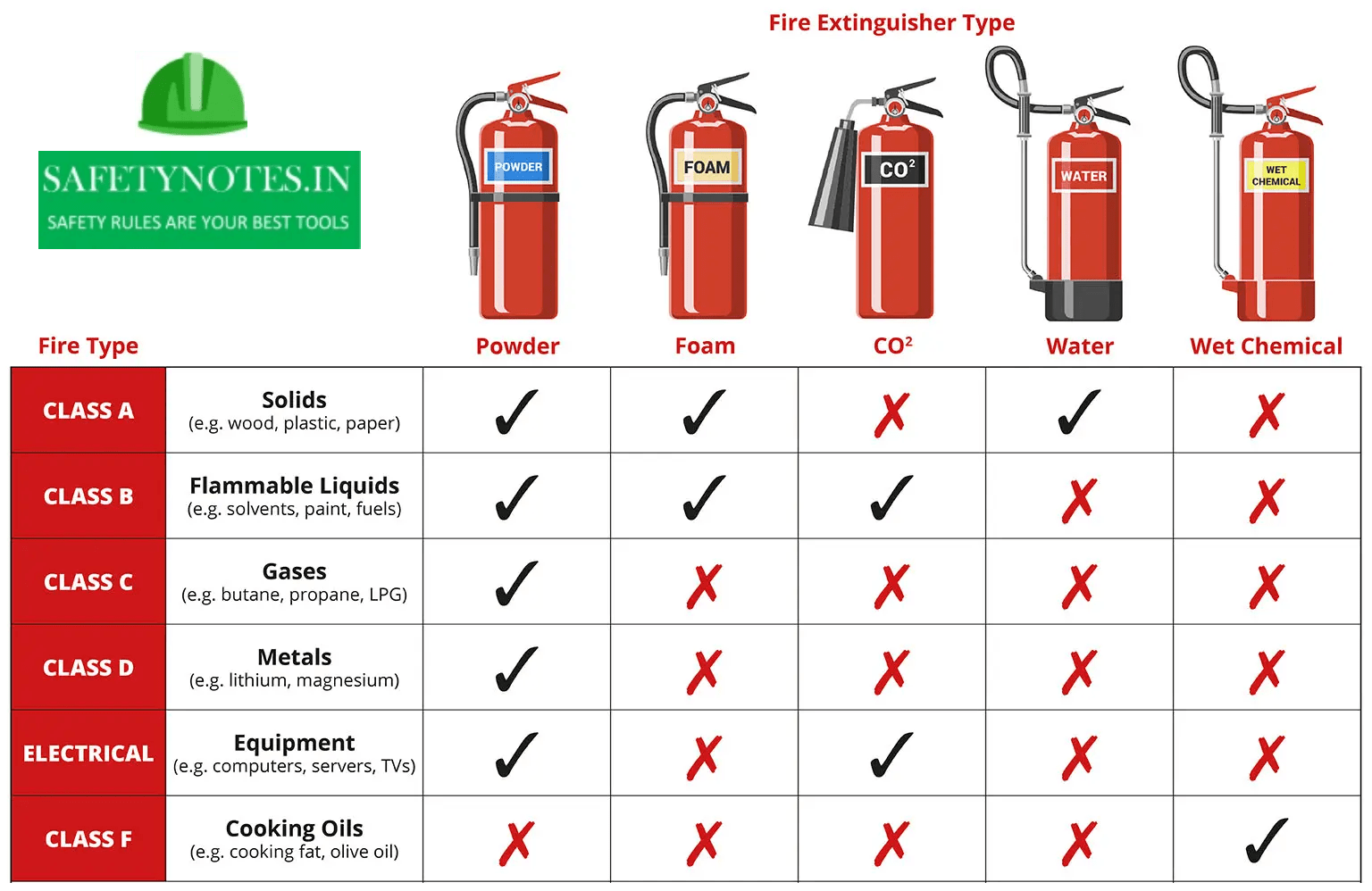
1. Water Extinguishers (APW - Air-Pressurized Water): These are often silver and clearly marked for Class A fires. They literally just shoot a stream of water. They're excellent for homes, offices, and anywhere Class A materials are prevalent. They're efficient and leave no chemical residue, which is a big plus!
2. ABC Dry Chemical Extinguishers: Ah, the "universal" heroes! These red extinguishers, often found in homes and businesses, contain monoammonium phosphate. They're rated for Class A, B, and C fires (flammable liquids and electrical, respectively). While they will put out a Class A fire, they work by creating a barrier and interrupting the chemical reaction, and they don't cool as effectively as water. This means for deep-seated Class A fires (like a pile of burning rags), water is still the preferred agent to prevent re-ignition. Plus, dry chemical is incredibly messy to clean up. (Seriously, it gets everywhere!)
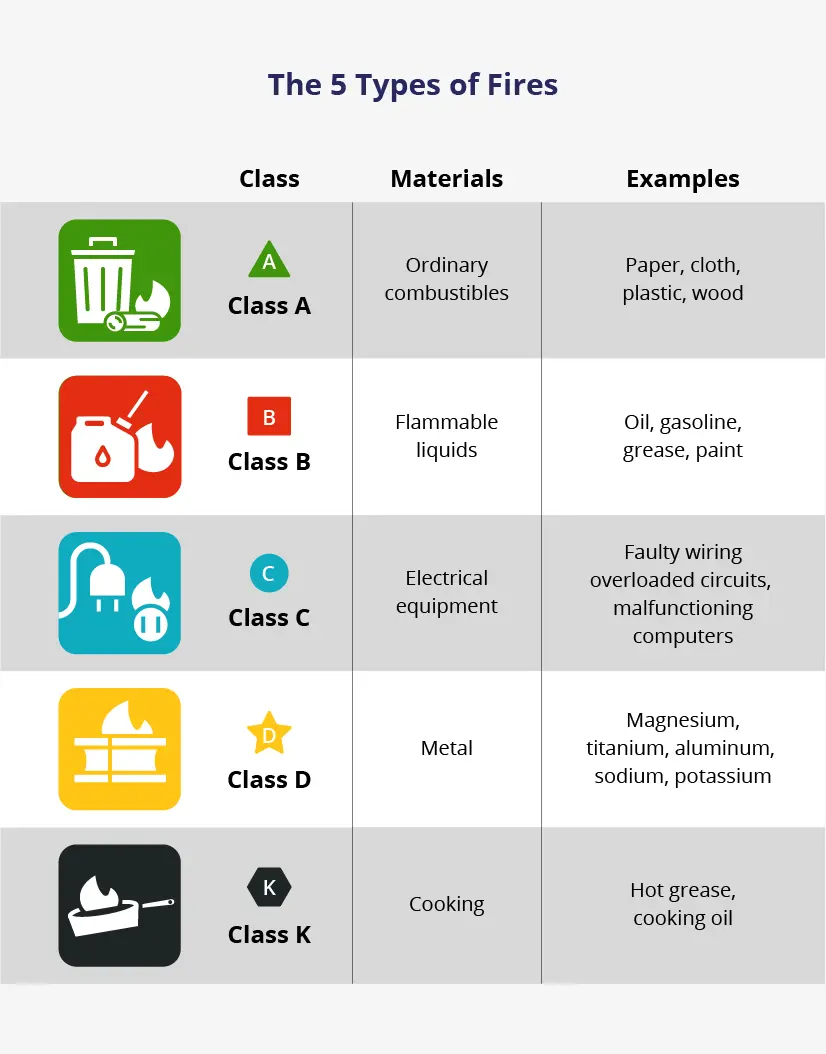
3. Foam Extinguishers: These are more common for Class B fires, but some types (AFFF - Aqueous Film-Forming Foam) can also be used on Class A. They work by cooling and smothering, creating a blanket over the fuel. Good, but not as primary as water for just Class A.
What NOT to Use (for Class A)
Just as important as knowing what to use is knowing what not to. While some extinguishers are multi-purpose, others are specifically designed for different fire types. For Class A fires, you generally wouldn't reach for:
- Carbon Dioxide (CO2) Extinguishers: Great for Class B and C (flammable liquids and electrical), as they displace oxygen. But they don't provide significant cooling, so that pile of burning papers might just reignite after the CO2 dissipates. Not ideal for Class A.
- Halon/Clean Agent Extinguishers: These are effective but primarily for sensitive equipment (Class C) where you want no residue. Pricey and overkill for a simple paper fire.
So, the next time you see an extinguisher, take a moment to peek at its label. If you see an "A" (or "ABC"), you know it's ready for those everyday combustibles. But for sheer, unadulterated Class A fire-fighting prowess, water is your undeniable champ. It's efficient, effective, and usually pretty readily available. And remember, knowing which agent to use means you're prepared, not panicked, like I almost was with my ambitious avocado toast! Stay safe out there, my fire-safety-savvy readers!