Where To Put Carbon Monoxide Alarm In Home
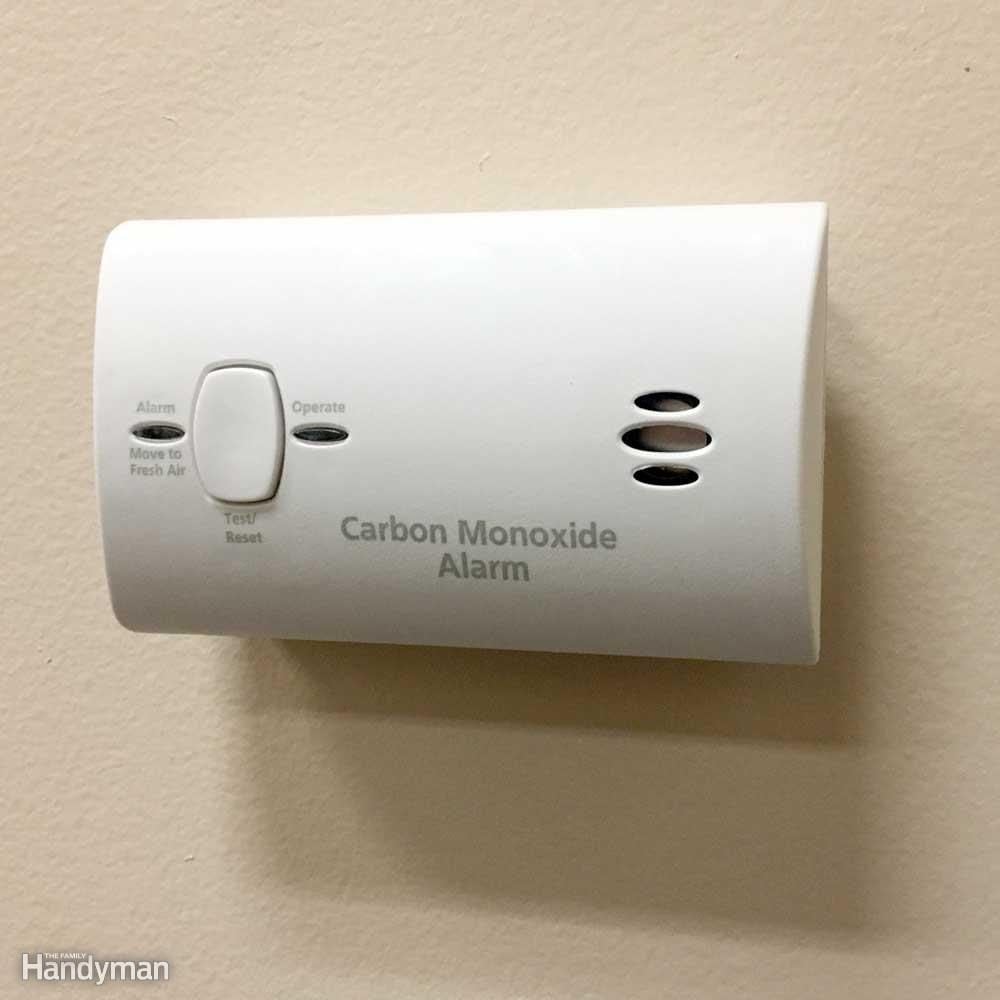
There's a special kind of joy that comes from knowing you've got things handled, especially when it comes to the safety and well-being of your loved ones. It’s that deep breath of relief, that quiet confidence that you’ve taken the necessary steps to protect your home. While nobody "enjoys" thinking about potential dangers, the peace of mind that comes from having a robust safety plan in place? Now that's something truly satisfying. And at the heart of that plan, often overlooked but incredibly vital, is the humble carbon monoxide (CO) alarm.
So, what exactly makes this little gadget such a superstar in our everyday lives? Carbon monoxide is often called the "silent killer" for a terrifying reason: it's an invisible, odorless, and tasteless gas. You can't see it, you can't smell it, you can't taste it, but it can quickly overcome and poison anyone exposed. CO is a byproduct of incomplete combustion from fuel-burning appliances like furnaces, gas stoves, fireplaces, water heaters, and even charcoal grills used indoors. Without a CO alarm, you'd never know it was there until it was too late. This alarm, however, stands guard, providing an early warning that can literally save lives, transforming a potential tragedy into a quick evacuation and a call to the professionals.
The beauty of the CO alarm is its straightforward application. It’s not some complicated gadget; it's a simple, effective sentinel for any home with fuel-burning appliances. Whether you're heating with natural gas, propane, oil, or even wood, a CO alarm is your indispensable protector. Many folks also place them in homes with attached garages, just in case exhaust fumes find their way inside. It’s not about fear; it’s about being proactive and giving yourself and your family the priceless gift of time when it matters most.
Must Read
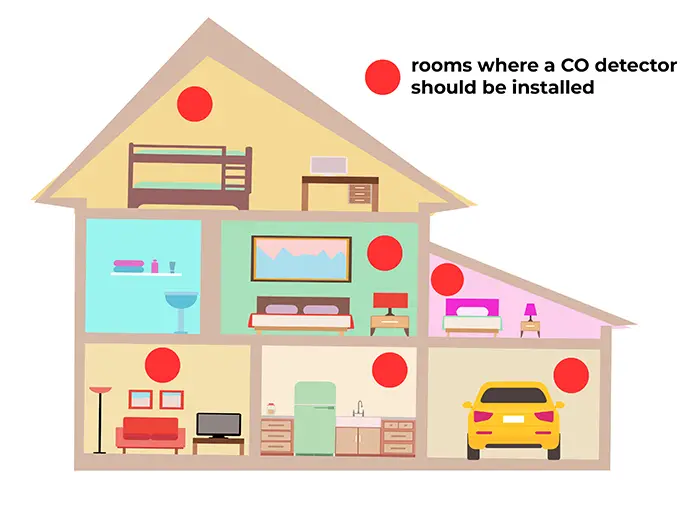
Now, to truly maximize the effectiveness of your CO alarm and enjoy that peace of mind more fully, placement is key. Think of it like real estate: location, location, location! Here are some practical tips to ensure your CO alarm is always on duty:
- Near Sleeping Areas: This is arguably the most crucial tip. You need an alarm loud enough to wake you up if CO levels become dangerous while you're asleep. Install one in the hallway outside each separate sleeping area, and ideally, in each bedroom itself.
- On Every Level: Carbon monoxide mixes with air, so it's not simply "heavier" or "lighter" than air in a way that dictates ceiling vs. floor placement. Install at least one CO alarm on every habitable level of your home, including the basement.
- Proper Height: Unlike smoke detectors that usually go on the ceiling, CO alarms are typically best placed at chest height or higher, but not necessarily on the ceiling. Follow the manufacturer's instructions for the optimal mounting height.
- Away from Fuel-Burning Appliances: While CO originates from these, placing the alarm too close (within 15-20 feet) can lead to nuisance alarms from low-level CO emissions during normal operation. Give it some breathing room.
- Avoid Vents and Drafts: Don't place alarms directly next to windows, doors, or air vents, as drafts can prevent CO from reaching the sensor accurately. Also, steer clear of direct sunlight or extremely humid areas.
- Test Regularly: Just like smoke alarms, press that "test" button monthly. Replace batteries (if applicable) every six months, often conveniently coinciding with daylight saving time changes. CO alarms also have a lifespan, usually 5-10 years, so check the manufacturer's date and replace the entire unit when it expires.
By following these simple guidelines, you're not just installing a device; you're investing in safety, in tranquility, and in the enduring joy of knowing your home is protected from the unseen. Go forth and place those alarms with confidence!