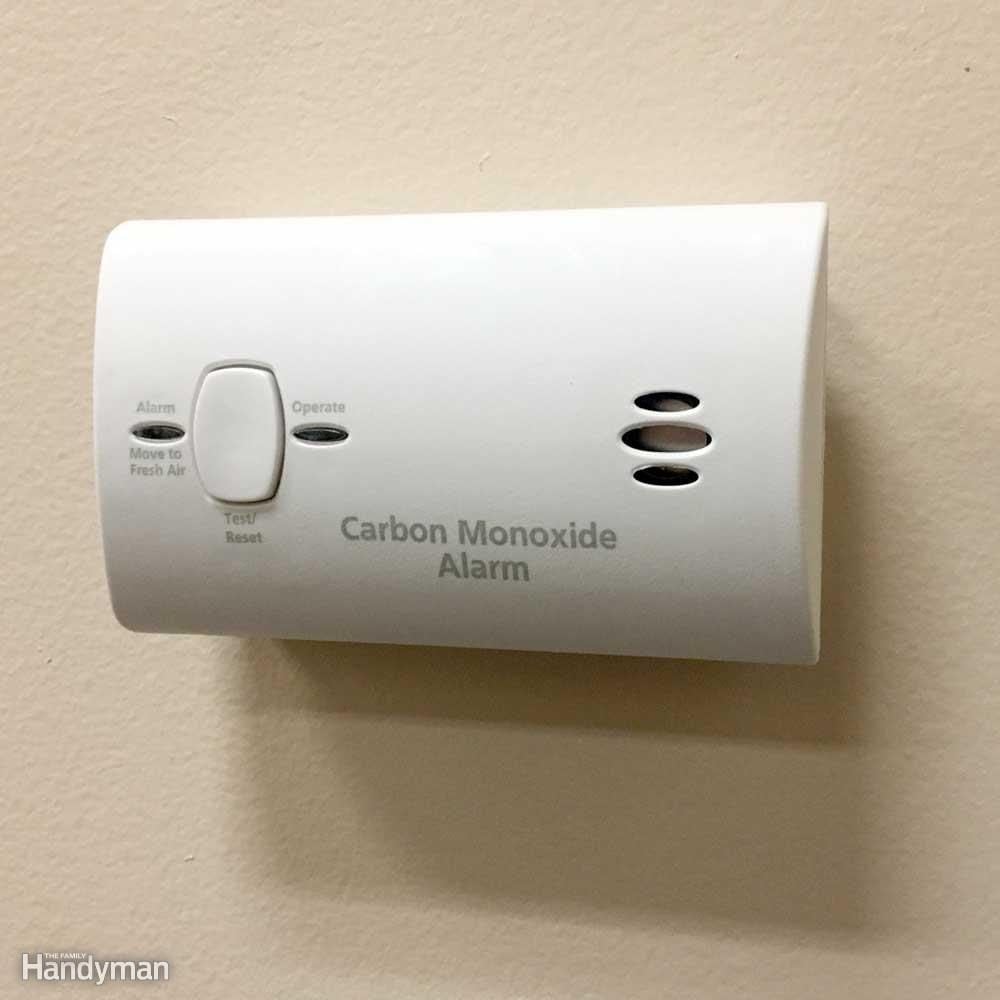
Where To Put A Carbon Monoxide Alarm

Ever thought about the unsung heroes of your home? We're talking about those little gadgets that quietly stand guard, keeping your family safe. While smoke detectors often steal the spotlight, today we're shining a light on their equally important cousin: the carbon monoxide (CO) alarm. Learning where to put these vital devices isn't just a chore; it's a super useful piece of knowledge that gives you serious peace of mind, making your home a truly secure haven. It's a small step that makes a huge difference, and understanding it makes you a smarter, safer homeowner – which is pretty cool, if you ask us!
So, who benefits most from knowing the ins and outs of CO alarm placement? Well, everyone! For first-time homeowners and beginners, it's foundational safety knowledge. You're setting up your new space, and knowing this helps you protect your biggest investment and the people in it from day one. For families with children or pets, it’s about providing an invisible shield. Kids and animals are often more vulnerable to CO poisoning, so proper placement is paramount for their safety, especially while they're sleeping soundly. Even DIY enthusiasts and hobbyists can get into it – perhaps integrating smart CO alarms into their home automation system or ensuring their workshop, which might have gas heaters, is properly protected. It’s a practical skill that truly protects what matters most.
When it comes to CO alarms, there's a bit more to it than just "stick it on a wall." You'll find different types, each with their own quirks. There are simple battery-operated models that offer flexibility, plug-in alarms that free up wall space, and even hardwired units that integrate directly with your home's electrical system, sometimes with battery backup. Then there are the newer smart CO alarms, which can connect to your Wi-Fi, send alerts to your phone, and even integrate with other smart home devices. While the type of alarm you choose is important, its placement is absolutely critical for effective detection. CO is an invisible, odorless gas, so your alarm needs to be in the right spot to "smell" it before you or your loved ones feel its effects.
Must Read
Ready to get started? Here are some simple, practical tips for placing your CO alarms: First, install at least one alarm on every level of your home, including the basement. Carbon monoxide is slightly lighter than air, but it mixes readily, so a general rule is to have coverage throughout. Second, and this is a big one, place an alarm near every sleeping area. This ensures that if CO is present while you're asleep – when you're most vulnerable – you'll be alerted. Many experts recommend placing them within 15 feet of each bedroom door. Third, consider placement near fuel-burning appliances like your furnace, water heater, gas fireplace, or stove. Just make sure it's not directly above or right next to them where cooking fumes might trigger false alarms. Also, avoid placing alarms in direct sunlight, within five feet of cooking or bathing areas, or behind furniture that might block the sensor. Always read and follow the manufacturer's instructions for optimal placement and mounting height, and don't forget to test your alarms monthly and replace them every 5-7 years, or as recommended by the manufacturer.
Ultimately, taking a few moments to properly place carbon monoxide alarms is one of the easiest and most impactful ways to safeguard your home and family. It’s a quiet act of care that speaks volumes, providing that wonderful sense of security and ensuring your home remains a safe, happy place for everyone. Enjoy the peace of mind!