
Where To Position A Carbon Monoxide Alarm

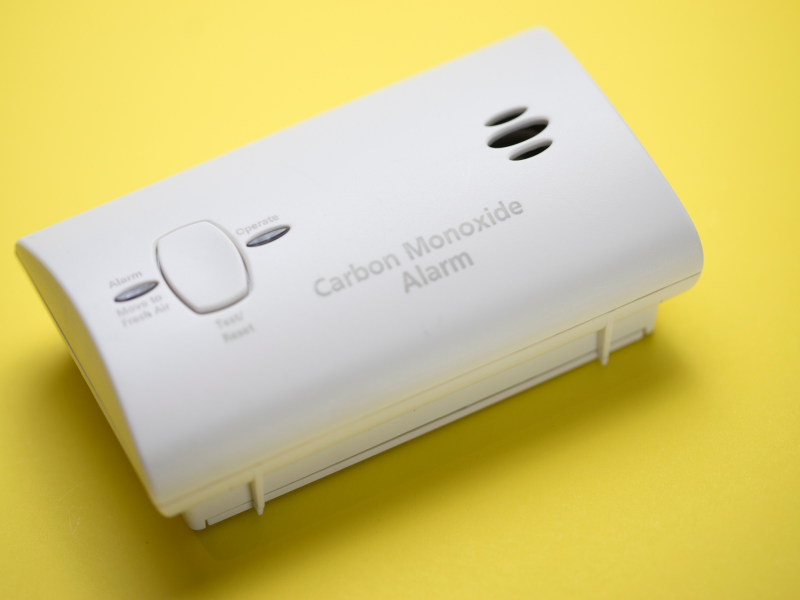
Ever wondered about that clever little gadget silently guarding your home? We're talking about your carbon monoxide alarm! It's one of those unsung heroes of household safety, quietly keeping watch. But here's a fun secret: it's not just about having one; it's about putting it in the absolute best spot. Think of it like a superhero needing the perfect vantage point!
You see, carbon monoxide (or CO, for short) is a real master of disguise. It's invisible. You can't smell it. You can't taste it. It's basically the ultimate sneaky gas, making it incredibly dangerous. That's why your alarm is your home's best detective. But for that detective to do its very best work, its placement is key. It needs to be positioned just right to catch that silent intruder the moment it appears. Let's make sure your home is a fortress against this hidden danger!
Where's The Sweet Spot? Think Sleeping Areas!
Top priority for your CO alarm placement? Near your sleeping areas! Imagine your alarm like a watchful sentry. It needs to be close enough to wake you up if danger knocks, especially when you're most vulnerable during sleep. That's why experts nearly always say to place one outside each separate sleeping area. This means the hallway that leads to your bedrooms is often prime real estate. It's like having a dedicated guard for your slumber party, ready to sound the alert if anything is amiss. If you have multiple bedrooms on one floor, one alarm in the central hallway serving those rooms is usually sufficient. It's all about ensuring that everyone gets a heads-up when it matters most.
Must Read
It's not just about waking you up. It's about giving you precious time to react and get to safety. So, when you're doing your home safety check, make that hallway a priority. It's a small step that makes a monumental difference in protecting your family while they rest.
Don't Forget Every Level!
Your home has different floors, right? Well, CO isn't picky about which level it hangs out on. It can travel. So, a truly golden rule of thumb is to have at least one alarm on every level of your home. Yes, even in the basement if you have one! This ensures full coverage, like a security blanket for your whole house. If you have a multi-story house, don't just rely on the one by the master bedroom. Each floor needs its own sentinel.

Think about it: if a furnace in the basement starts leaking CO, an alarm on the third floor might not catch it as quickly. Having alarms spread out ensures that no matter where the gas originates, it's detected sooner rather than later. This layered approach to safety provides robust protection and gives everyone a fighting chance against this unseen threat. It truly is about creating a comprehensive shield for your entire living space.
Near Fuel-Burning Appliances? Yes, But Not Too Close!
Now, let's think about where CO might actually come from. Furnaces, water heaters, gas fireplaces, stoves, clothes dryers – these are all potential culprits if they're not working correctly. So, placing an alarm near these fuel-burning appliances is a really smart move. But here's the catch: not too close! You want to give it some breathing room.

Placing an alarm directly next to a furnace might trigger false alarms due to harmless trace amounts of gases released during startup or normal operation. The recommendation is usually to place it at least 15-20 feet away from these appliances. This distance allows the CO to disperse and mix with the air, ensuring that when the alarm does go off, it's a genuine alert to a more widespread issue. It's about being vigilant without being overly sensitive. Think of it as placing your detective in the general neighborhood of the suspects, not right on their doorstep.
Where Not To Put Your Alarm – Avoid The Tricky Spots!
Just as there are prime locations, there are also places where your CO alarm simply won't perform its best. Avoid putting it right next to windows or doors that open directly outside. Why? Because fresh air circulating from outside can dilute potential CO, delaying detection or causing false readings. You want to detect indoor CO, not the breezy outdoor air.
Also, steer clear of areas with lots of humidity, like bathrooms or directly above dishwashers. Moisture can mess with the sensors. And don't tuck it away in a corner, behind curtains, or inside a cabinet where air might not circulate well. The alarm needs to be out in the open, ready to breathe in the air of the room. It needs a clear, unobstructed path to do its important job. Think open spaces, clear pathways – that's where your alarm truly shines.
Height Matters, But It's Not As Tricky As You Think!
Now, let's talk about height. This is where people sometimes get a little confused. With smoke alarms, we often think 'high up!' because smoke rises quickly. But carbon monoxide is a bit different. It actually mixes pretty evenly with the air in a room. It's not necessarily lighter or heavier than air in a way that makes it dramatically rise or sink to a specific level. So, where do you put it?

The general advice is often about chest height or slightly higher. Why this height? Well, it's a good compromise. It's not way up high where you can't reach it to test. It's not down low where pets or kids might mess with it. And it's right in the zone where you're most likely to be breathing and where detection is most effective. So, think eye-level or a little above. That makes it easy to see, easy to test, and perfectly positioned to detect that sneaky gas. Just remember, the main thing is that it's not hidden away or placed in a spot where air circulation is poor. It needs to be out in the open, ready to work its magic.
A Quick Check For Peace of Mind!
Your alarm isn't a "set it and forget it" kind of deal. It needs a little love! Make it a habit to push that test button regularly. Maybe once a month. It's a quick, easy way to ensure your silent guardian is still on duty. If it’s a battery-powered unit, remember to change those batteries according to the manufacturer’s instructions. And just like any other household appliance, these alarms have a lifespan. Check the expiration date on the back of your unit; typically, they last about 5-7 years before needing a replacement.
So there you have it! Positioning your CO alarm might seem like a small detail, but it's a huge step in keeping your home safe and sound. A little thought goes a long way in turning your house into a truly secure haven. Go on, give your alarms a quick check. Make sure they're in the perfect spot. Your peace of mind (and health!) will absolutely thank you. Stay safe out there!