
Where To Plug In A Carbon Monoxide Detector
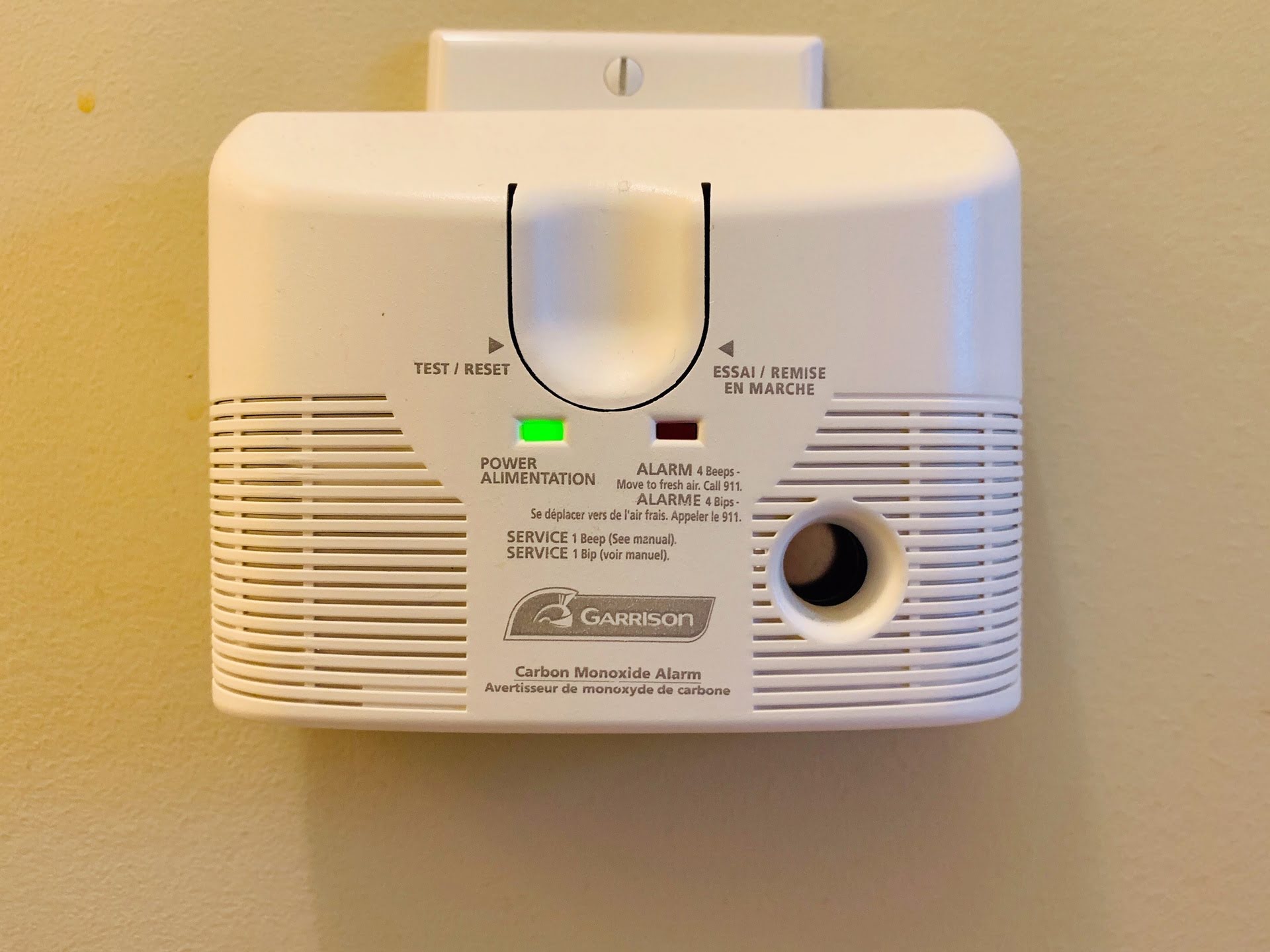
Alright, gather 'round, folks, and pull up a virtual armchair. Let's talk about something a little heavy, a little invisible, and a whole lot of 'nope' if you don't catch it: carbon monoxide. Or as I like to call it, "the silent party crasher no one invited and everyone desperately wants to kick out."
You see, CO is the ultimate sneaky villain. It's odorless, colorless, and tasteless. It doesn't even have a catchy jingle! It just... lurks. Like that one relative who shows up unannounced and never helps with the dishes. But instead of just eating all your snacks, CO tries to trick your body into thinking it's getting oxygen, when really, it's getting a whole lot of nothing good. And that's where our humble, yet heroic, carbon monoxide detector comes in.
Now, you've bought one, right? Good on you! That's step one. But step two, which often feels like solving a particularly baffling IKEA instruction manual, is: Where the heck do you plug it in? It's not like a toaster, where you just intuitively know "kitchen counter, near the bagels." This requires a bit more strategic thinking than winning a game of Connect Four.
Must Read
The Golden Rules of Placement: Don't Be a Wallflower!
Think of your CO detector as your home's super-sensitive nose, sniffing out trouble so you don't have to become a "Sleeping Beauty" in a less-than-charming way. So, let's get down to business with the absolute must-dos.
1. Near Sleeping Areas – The Bedroom Bouncer
Imagine you're tucked in, dreaming of winning the lottery or finally figuring out how to fold a fitted sheet. If CO decides to sneak in, you want its alarm to be louder than your spouse's snoring. That's why the absolute paramount rule is to have a detector within hearing distance of all sleeping areas. Preferably, inside or just outside each bedroom door.
Why? Because CO messes with your head. You might feel dizzy, nauseous, or just generally "off," but you could easily mistake it for the flu or just a bad case of the Mondays. If you're asleep, you might not wake up. A detector nearby is your personal alarm clock for danger.

2. On Every Level – The House Detective
Got a multi-story home? Congrats! You also need a multi-detector strategy. Carbon monoxide doesn't always float perfectly like a helium balloon, nor does it sink like a forgotten lead weight. It actually mixes fairly evenly with the air, especially once it cools. So, you need at least one detector on every single level of your home. Yes, even the basement. Yes, even the attic if it’s a living space. Think of them as tiny, vigilant guardians assigned to their specific floor.
3. Near Attached Garages – The Fume Fighter
That car you love so much? It's a potential CO culprit. Even if you're just warming it up for a second (and you really shouldn't idle in an attached garage, just sayin'), a faulty exhaust can send that invisible menace drifting right into your living room. So, if you have an attached garage, make sure to place a detector in the room adjacent to the garage, or at least on the same level as the entry door from the garage into your home.
4. Near Fuel-Burning Appliances – The Appliance Guardian
Your furnace, water heater, fireplace, gas range, or even that cozy gas log set are all potential CO sources if they're not venting properly. So, it's a smart move to place a detector within 10-15 feet of these appliances. This doesn't mean duct-taping it to the side of your water heater (please don't!), but close enough to catch any accidental gas escapes.
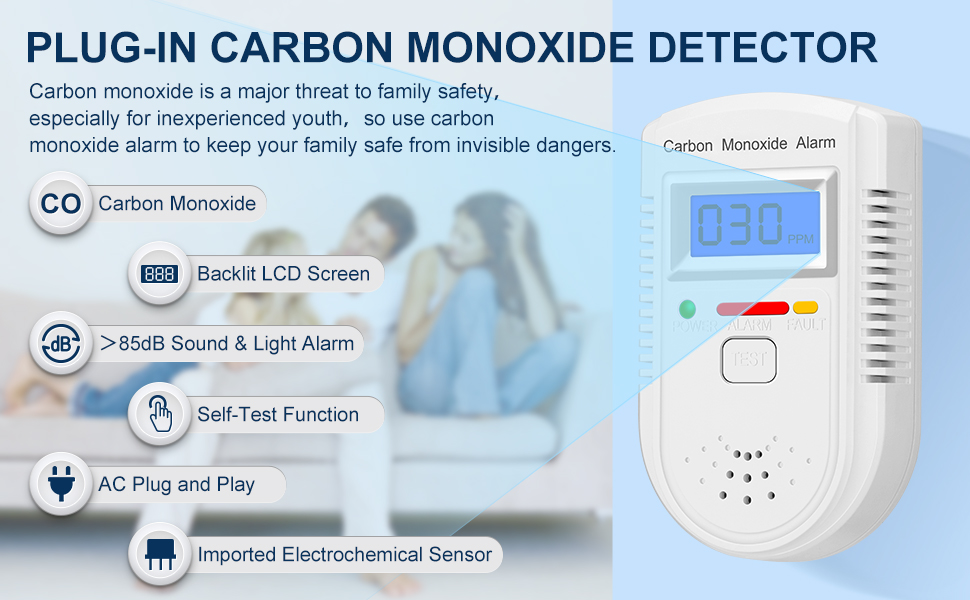
The No-Fly Zones: Where NOT to Plug It In (Unless You Like False Alarms and Anxiety)
Just as important as knowing where to put them is knowing where not to. Avoid these spots like they're a spoiler for the season finale of your favorite show:
1. Too Close to Fuel-Burning Appliances (Again, But Different!)
Wait, didn't I just say "near"? Yes, but there's a Goldilocks zone. Don't place it right next to your furnace or stove. They emit small, harmless bursts of CO during normal operation, especially when starting up. Placing a detector too close will lead to "the boy who cried wolf" syndrome, triggering false alarms and making you want to throw the noisy little gadget out the window.
2. Near Windows, Doors, or Vents – The Wind Tunnel of Trouble
Your CO detector needs to sample the ambient air, not the fresh breeze from outside or a direct gust from a vent. Avoid placing it directly in front of windows, doors, or air vents. The constant airflow can dilute the CO or prevent it from reaching the sensor, giving you a false sense of security.

3. Direct Sunlight or Extreme Temperatures – The Drama Queen
CO detectors are sensitive, like a teenager on prom night. They don't like extremes. Keep them out of direct sunlight and away from areas that get super hot or super cold, like unheated garages (unless specifically rated for it) or next to a blazing fireplace. Extreme temperatures can affect the sensor's accuracy and shorten its lifespan.
4. Behind Furniture or Curtains – The Hidden Hazard
Remember how we said it needs to sample the air? That means it needs unhindered airflow. Don't hide your detector behind bulky furniture, under curtains, or in a cabinet. It's not a decoration you need to blend in; it's a life-saving device that needs to breathe!
5. In Bathrooms – The Humidity Hangout
Bathrooms are steamy, damp places. High humidity can interfere with the detector's sensor, leading to unreliable readings or a shorter lifespan. So, while you might think of bringing it into the bathroom for some "me time," resist the urge.

A Quick Word on Testing and Types
Most plug-in detectors have a "test" button. Push it monthly! It's like giving your little guardian a health check-up. And remember, detectors don't last forever. Most have a lifespan of 5-7 years. After that, they start getting a bit forgetful, so replace them promptly!
While we're focusing on plug-ins, there are also battery-operated ones (great for power outages!) and hardwired ones. Some even combine smoke and CO detection. Whatever you choose, the placement rules generally apply.
The Takeaway: Be Prepared, Not Scared (Mostly)
So, there you have it. The surprisingly complex, yet utterly crucial, saga of where to plug in your carbon monoxide detector. It might feel like a bit of a strategic puzzle, but honestly, it's one of the easiest and most effective ways to protect your family from a truly nasty, invisible threat.
Spend a few minutes, map out your home, and make sure these little heroes are in their prime positions. Because while CO might be the silent party crasher, your detector will be the very loud, very annoying bouncer that saves the day. And trust me, that's one noise you'll always be glad to hear!