
Where To Place Smoke Detectors In The Home
:max_bytes(150000):strip_icc()/where-to-place-smoke-detectors-1152485_V2-3c5086adfaa646d69d312b45d342c621.png)
Hey there, safety superstar! 👋 Let's have a little chat about something super important but often overlooked: those trusty smoke detectors. Think of them as your home's personal bodyguard, always on alert, ready to shout if something's not right. And just like a bodyguard, you want them in the right place to do their best work, right?
Nobody wants to be woken up by the smell of smoke, let alone the actual fire. We're aiming for a peaceful life, and placing these guys correctly is a huge step towards that. Easier than folding a fitted sheet, I promise!
The Golden Rule: Every Level, Every Time!
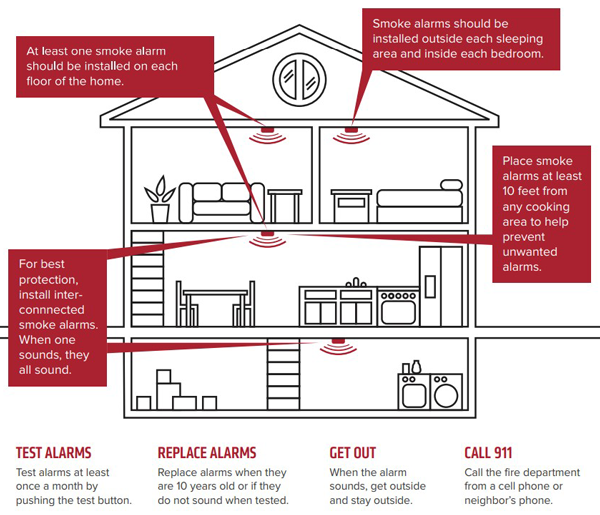
Okay, first things first, this is the biggie. You need at least one smoke detector on every single level of your home. Yes, that includes the basement (unless it's just a crawl space, but even then, maybe consider it!). Why? Because smoke rises, spreads, and different levels can act like fire traps if not properly monitored. Don't skip a floor; smoke doesn't care about your home's layout!
Must Read
Sleeping Beauty's Best Friend: Near Bedrooms
This one's a no-brainer, but crucial. You need a smoke detector inside every bedroom and outside each sleeping area. Imagine sleeping through a fire – not exactly a restful night! Smoke can be a sneaky silent killer, often putting people into a deeper sleep. A detector right there gives you the earliest warning when you're most vulnerable. It's like a tiny, very loud emergency alarm clock!
If you have a hallway connecting bedrooms, plop one right there. Open-plan living with a loft bedroom? That loft needs its own guardian angel. Basically: if someone's snoozing, a detector should be within earshot.
Kitchen Conundrums: Don't Cry Over Burnt Toast!
Ah, the kitchen. The land of culinary adventures... and occasionally, burnt toast that sets off the alarm. We've all been there, right? The key here is to place your smoke detector not directly in the kitchen, but within 10 feet (3 meters) of a kitchen entrance. This gives it distance from innocent cooking mishaps (steam, enthusiastic frying) but still detects actual fire smoke escaping the kitchen.
For extra kitchen peace of mind, you might consider a heat detector inside the kitchen itself. Heat detectors aren't bothered by smoke or steam, only by a rapid rise in temperature. They're like the chill older sibling to the smoke detector's excitable younger one.
Stairways: Smoke's Superhighway
Stairways are like chimneys for smoke, allowing it to travel quickly from one floor to another. To catch it on its express route, install a smoke detector at the top of every stairway. This ensures that smoke rising from a lower level is detected before it has a chance to spread too far upstairs. Think of it as a toll booth for smoke, but instead of money, it demands a loud alert!
Basements & Attics: Don't Forget the "Hidden" Spots
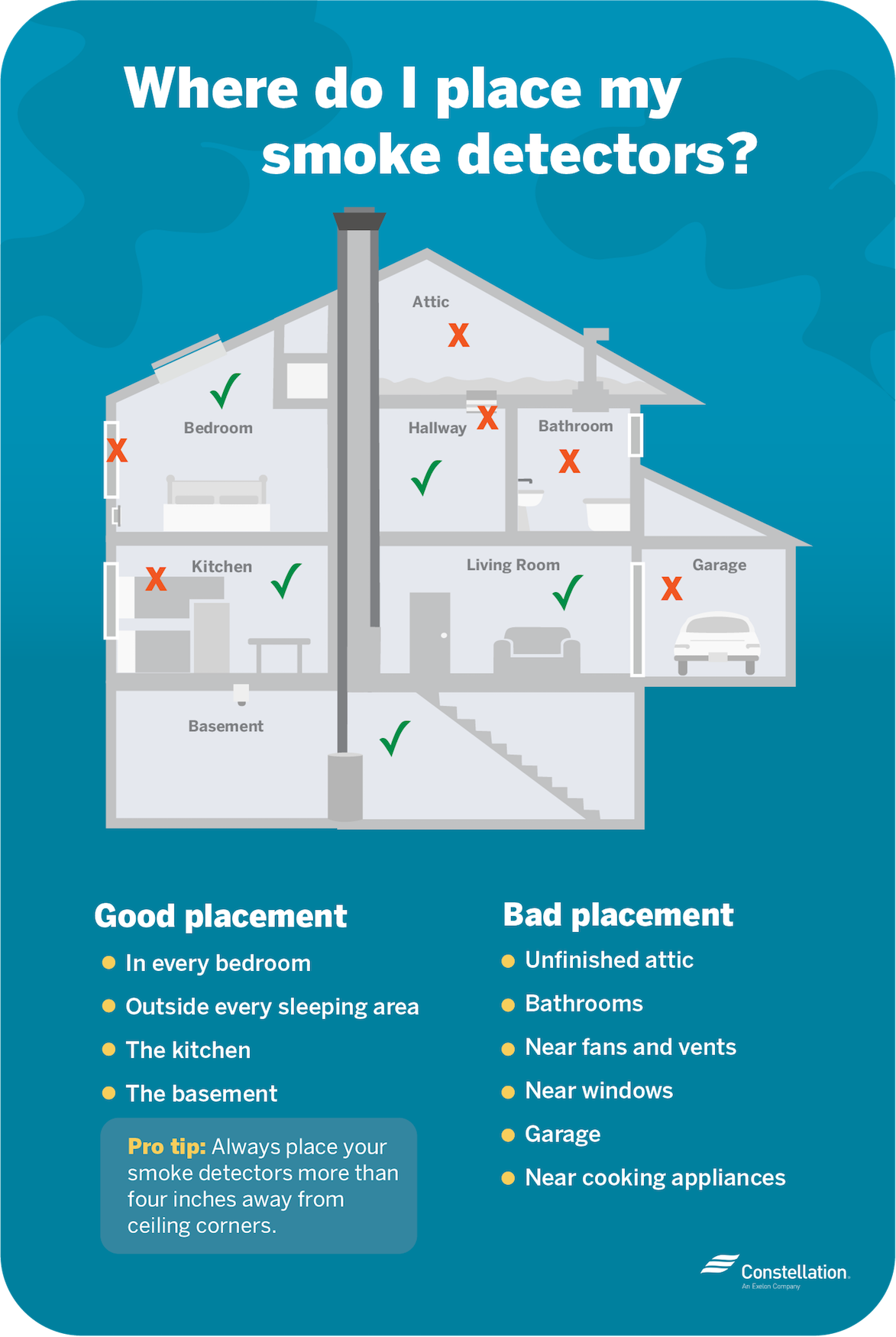
Your basement might host furnaces or water heaters; your attic, wiring or HVAC. All potential fire sources, so don't neglect them! Place a smoke detector in the basement at the bottom of the stairs and in the attic at the highest point. You want to catch any potential smoke before it gets a chance to creep into your living spaces.
The "Dead Air" Zone: Where Not to Put Them
Just as important as where to put them is where not to. Avoid these "dead air" zones where smoke might not reach properly:
.png?impolicy=inforgraphic)
- Too close to corners: Smoke needs a bit of space to accumulate.
- Right up against walls: Aim for at least 4-6 inches (10-15 cm) from the wall if placing on the ceiling. If placing on a wall, keep it 4-12 inches (10-30 cm) below the ceiling.
- Near windows or vents: Drafts can prevent smoke from reaching the detector.
- In dusty areas or near fireplaces/wood stoves: You're just asking for nuisance alarms!
- Bathrooms: Steam is a smoke detector's arch-nemesis, leading to false alarms.
Basically, you want your detector in the main flow path of smoke, not tucked away where it might miss its cue.
A Quick Reminder: Test, Test, Test!
Now that your smoke detectors are perfectly placed, don't forget the easiest part: testing them monthly! Just press that button until it chirps its happy, loud song. Change the batteries at least once a year (many people do it when daylight saving time changes – easy to remember!). And remember, smoke detectors have a lifespan, usually around 10 years. After a decade, they're ready for retirement and a replacement. They've earned it!
You're a Home Safety Hero!
See? That wasn't so bad, was it? By taking these simple steps, you're not just installing a gadget; you're building a fortress of peace of mind for yourself and your loved ones. You're giving your family precious extra seconds to escape, and honestly, what's more heroic than that? So go forth, place those detectors like a pro, and sleep soundly knowing you've got safety covered. You’re awesome!
