Where To Place Smoke Alarm In Kitchen
Ah, the kitchen! It's the heart of the home, isn't it? The place where culinary magic happens, where aromas waft, and where memories are made over sizzling pans and bubbling pots. But let's be real, it's also the place where an innocent piece of toast can sometimes stage a smoky protest, or a perfectly good stir-fry might produce more steam than anticipated. And that's where our tiny, chirpy hero, the smoke alarm, comes into play. But where, oh where, do you place this valiant guardian in a space prone to culinary adventures?
The Kitchen Conundrum: Too Close for Comfort?
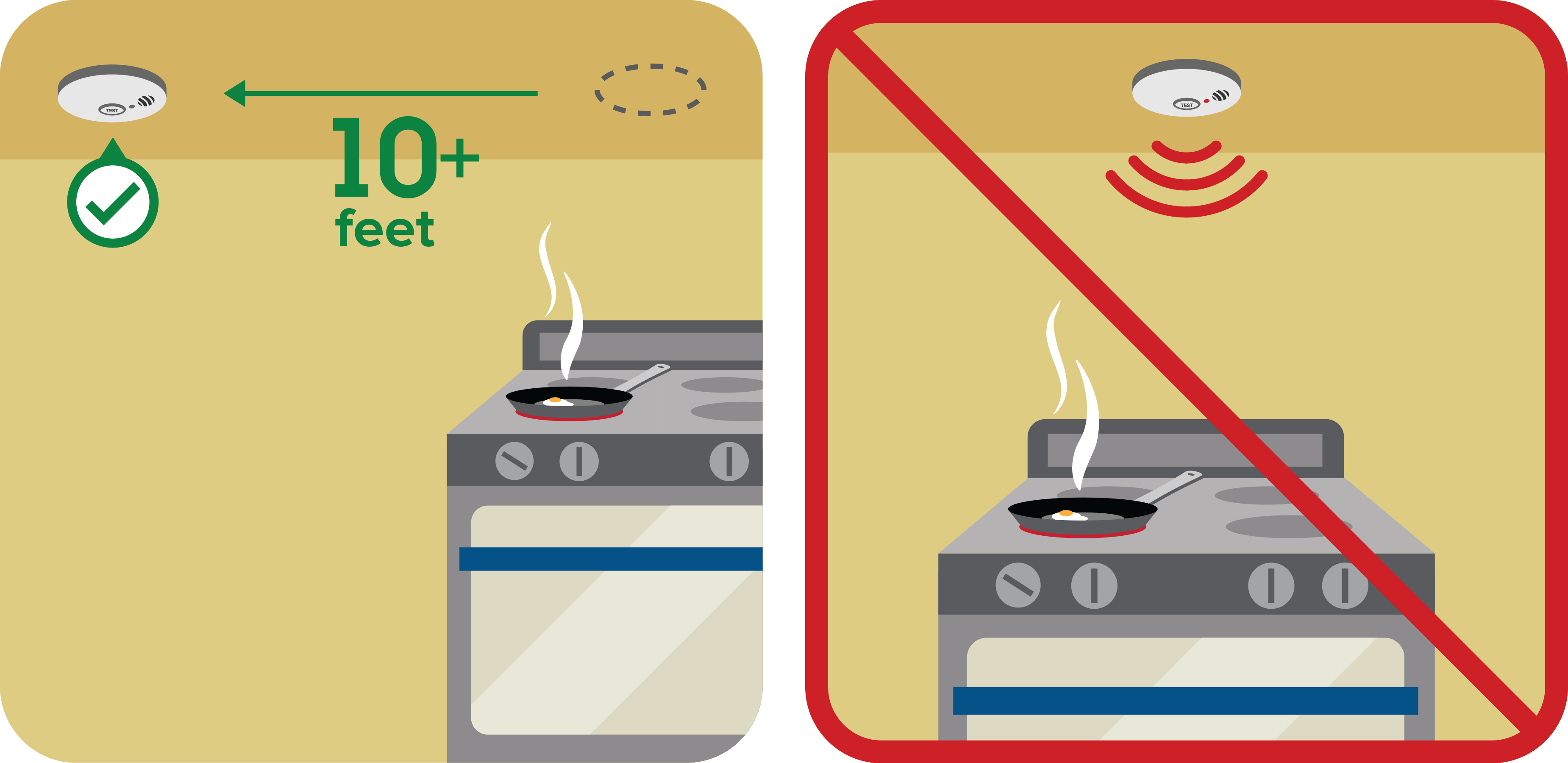
Here’s the thing: smoke alarms are designed to detect smoke. And while we love the smell of bacon, our smoke alarm doesn't always distinguish between a delicious char and an actual fire. Placing your smoke alarm directly above the stove or too close to the oven is a sure-fire way to invite a chorus of false alarms. We've all been there – the frantic flapping of towels, the desperate opening of windows, all to silence that piercing shriek. Nuisance alarms are not just annoying; they can lead people to disable their alarms, which is a huge safety risk. So, the first rule of kitchen smoke alarms is: don't put it directly in the line of fire (or steam, or cooking fumes).
The Sweet Spot: Distance is Your Best Friend
So, if not right in the action, then where? The golden rule, often cited by fire safety experts, is to place your smoke alarm at least 10 feet (about 3 meters) away from cooking appliances. Think of it as giving your alarm enough breathing room. This distance allows typical cooking fumes, steam from that pasta pot, or the occasional burnt popcorn smell to dissipate naturally without triggering the alarm, while still being close enough to detect genuine smoke from an actual fire. It's like having a watchful but not overbearing friend – present and ready, but not right in your personal space.
Must Read
Wall or Ceiling? Navigating Your Space
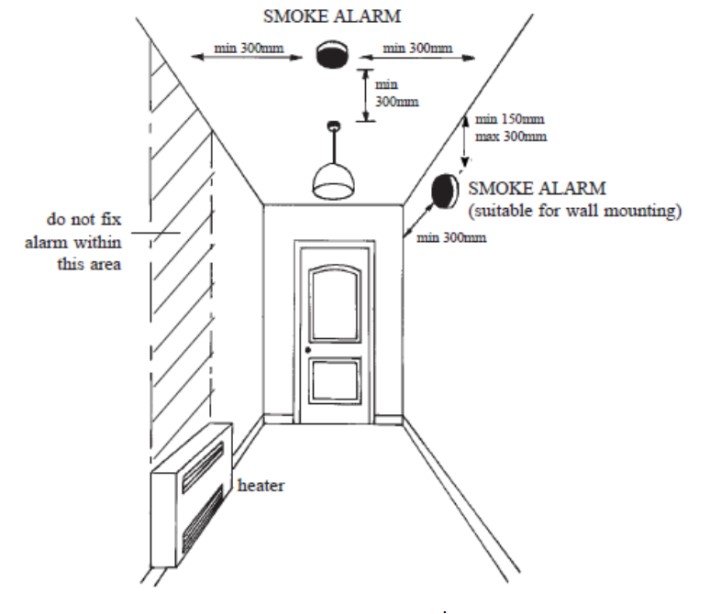
Once you've nailed the distance, the next question is vertical placement. Generally, the ceiling is the preferred location for smoke alarms, as smoke naturally rises. Ideally, it should be placed centrally in the kitchen or, if that’s not practical, near the doorway that leads out of the kitchen, but still adhering to that 10-foot rule. If a ceiling mount isn't feasible due to beams, skylights, or other architectural quirks, a wall mount can work. If mounting on a wall, ensure the alarm is placed 4-12 inches (10-30 cm) below the ceiling line. A little fun fact: avoid placing alarms in corners, as air currents can create 'dead air' spaces where smoke might not readily reach.
The Right Type of Alarm for Your Culinary Adventures
This is where it gets a little technical, but it's super important for kitchen placement. Not all smoke alarms are created equal! There are two main types:
- Photoelectric alarms: These are your kitchen MVP. They are much better at detecting smoldering fires (think slow-burning electrical faults or forgotten items on a burner) and are significantly less prone to false alarms from cooking fumes and steam. They "see" the smoke.
- Ionization alarms: These detect fast, flaming fires. While effective for certain fire types, they are often too sensitive for the kitchen environment and can be easily triggered by cooking smoke. It's generally recommended to avoid placing ionization alarms directly in or immediately adjacent to the kitchen area if you want to minimize false alarms.
For optimal kitchen safety and peace of mind, opt for a photoelectric smoke alarm, or a dual-sensor alarm that prominently features photoelectric technology. It's a small choice that makes a big difference in your daily cooking experience.
Connecting the Dots: A Symphony of Safety
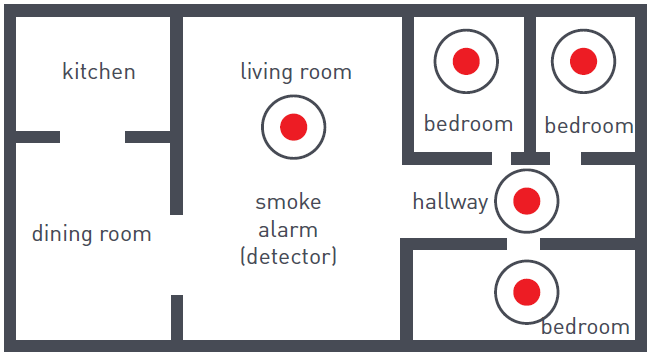
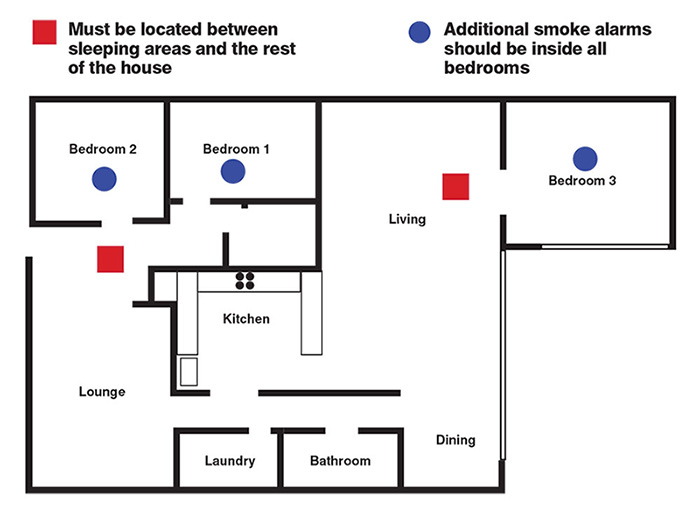
Here’s a modern must-have: interconnected smoke alarms. This means if the alarm in your kitchen detects smoke, all the alarms throughout your home will sound simultaneously. This is especially crucial if a fire starts when you're sleeping or in another part of the house, giving everyone more precious time to evacuate safely. Many modern alarms even offer smart home integration, sending alerts to your phone, so you're always in the loop, even if you're just nipping out for groceries!
:max_bytes(150000):strip_icc()/where-to-place-smoke-detectors-1152485_V2-3c5086adfaa646d69d312b45d342c621.png)
Keeping Your Guardian Angel in Tip-Top Shape
Even the best-placed alarm needs a little TLC. Here are some quick, essential tips:
- Test monthly: Press that test button! A quick chirp confirms it's working.
- Change batteries annually: A great tradition is to do it when you "spring forward" or "fall back" with Daylight Saving Time. It’s a simple mnemonic that saves lives.
- Clean annually: A quick vacuum or wipe down can remove dust, grease, and cobwebs that might impair its function or, you guessed it, cause false alarms.
- Replace every 10 years: Smoke alarms don't last forever. Check the manufacturing date on the back – if it's over a decade old, it's time for a new one.
A properly placed and maintained kitchen smoke alarm isn't just a safety device; it's an invisible guardian, allowing you to experiment with new recipes, host lively dinner parties, or simply make toast without that sudden, heart-stopping shriek. It's about creating a safe haven where culinary creativity can flourish, knowing you've taken a small but significant step to protect your home and loved ones. Now, go forth and cook with confidence – and a little extra peace of mind!