
Where To Buy Vanguard S&p 500
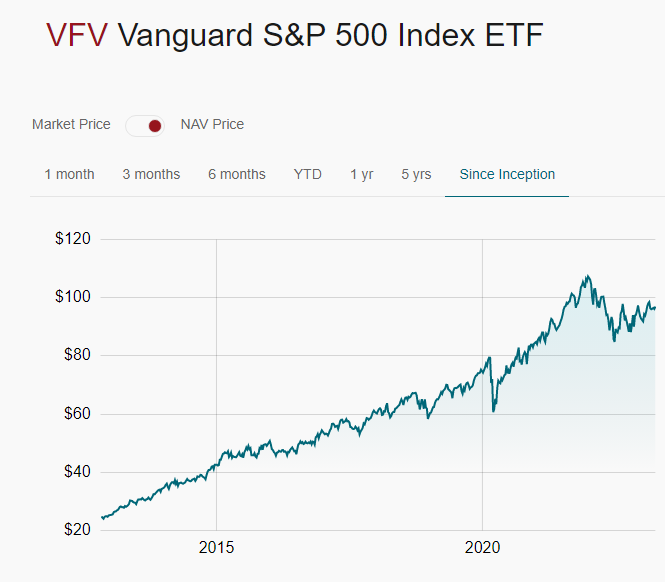
Okay, picture this: it’s late, you're scrolling through TikTok, and suddenly you’re bombarded with finance bros talking about the S&P 500. "Passive income!" they shout. "Diversification!" they exclaim. You feel a pang of FOMO. Been there, my friend, been absolutely there.
So, you decide, alright, I'm gonna look into this S&P 500 thing. But where do you even start? It’s not like you can just walk into a store and buy a slice of the US economy (although, wouldn’t that be cool?). That's where understanding how to buy a Vanguard S&P 500 ETF (like the VOO, or the IVV, or the SPY) comes in handy.
First Things First: What's an S&P 500 ETF Anyway?
Let's keep it simple: an S&P 500 ETF (Exchange Traded Fund) is basically a basket that holds stocks of the 500 largest publicly traded companies in the US. When you buy shares of a Vanguard S&P 500 ETF, you're buying a tiny piece of all those companies. Think Apple, Microsoft, Amazon, the whole gang. It's a super easy way to diversify your investments without having to pick individual stocks, which, let's be honest, can feel like trying to predict the weather.
Must Read
(Side note: Remember that diversification doesn’t guarantee profits or protect against losses. It’s more like… not putting all your eggs in one potentially cracked basket.)
Where Can You Actually Buy These Things?
Okay, so you're convinced. S&P 500 ETFs sound cool. But where do you go to acquire these mythical financial creatures? Here's the breakdown:

1. Online Brokers
This is probably the most common and convenient way for most people. Think of online brokers as the Amazon of the investing world. They offer a platform where you can buy and sell stocks, ETFs, and other investments.
Some popular options include:

- Vanguard: (duh!) If you want to buy a Vanguard ETF, why not go straight to the source? Vanguard often offers commission-free trading on its own ETFs. Genius.
- Fidelity: Another solid choice with a good reputation and a wide range of investment options.
- Charles Schwab: Similar to Fidelity, Schwab is a well-established broker with excellent research tools.
- Robinhood: Known for its user-friendly interface, Robinhood is popular among beginner investors. Just be aware of its limitations and potential controversies. (Remember the whole GameStop saga? Yeah…)
- Webull: Similar to Robinhood, Webull offers commission-free trading and a mobile-first experience.
Before you commit, compare fees, account minimums, and the features offered by each broker. Some have better research tools, some have slicker mobile apps, and some might offer incentives for opening an account. Do your homework!
2. Robo-Advisors
Feeling lazy? Or maybe just a bit overwhelmed? Robo-advisors can be a great option. These platforms use algorithms to build and manage your investment portfolio based on your risk tolerance and financial goals.

They often include S&P 500 ETFs in their portfolios, along with other diversified assets. Examples include:
- Betterment: A popular robo-advisor known for its simple interface and tax-loss harvesting features.
- Wealthfront: Another leading robo-advisor with a focus on automation and tax efficiency.
Keep in mind that robo-advisors charge a management fee, so you'll need to factor that into your overall costs. However, for some, the convenience and automated management are worth it.

3. Traditional Brokerage Firms
If you prefer a more personal touch, you can work with a traditional brokerage firm like Merrill Lynch or Edward Jones. These firms offer financial advisors who can provide personalized investment advice and help you build a portfolio that includes S&P 500 ETFs. However, this option typically comes with higher fees compared to online brokers or robo-advisors.
Important Considerations Before You Buy
Before you dive in and start buying shares of a Vanguard S&P 500 ETF, here are a few things to keep in mind:
- Investment Goals: What are you trying to achieve with your investment? Are you saving for retirement, a down payment on a house, or something else?
- Risk Tolerance: How comfortable are you with the possibility of losing money? The stock market can be volatile, so it's important to understand your own risk tolerance.
- Expense Ratio: This is the annual fee charged by the ETF to cover its operating expenses. Vanguard S&P 500 ETFs typically have very low expense ratios, which is one of their big selling points.
- Tax Implications: Investments can have tax implications, so it's a good idea to consult with a tax advisor. (Disclaimer: I am not a financial advisor or tax professional.)
Ultimately, the best place to buy a Vanguard S&P 500 ETF depends on your individual needs and preferences. Do your research, compare your options, and choose the platform that works best for you. And remember, investing is a long-term game. Don’t panic when the market dips (it will!), and stay focused on your goals. Good luck, and happy investing!