
Where Should You Install Carbon Monoxide Detectors
Hey there, coffee buddy! Pull up a chair. We need to chat about something super important, but totally snooze-worthy if we don't make it fun. We're talking carbon monoxide detectors, those little lifesavers that often get tucked away and forgotten. But where exactly should you stick them? It's not just a random dart throw, my friend.
This gas is a real sneaky villain, the silent killer. No smell, no taste, just... poof. Seriously, it's terrifyingly undetectable without help. So, let's make sure your home is a CO-free zone, shall we? You've got this!
The Golden Rule: Every Level, My Friend!
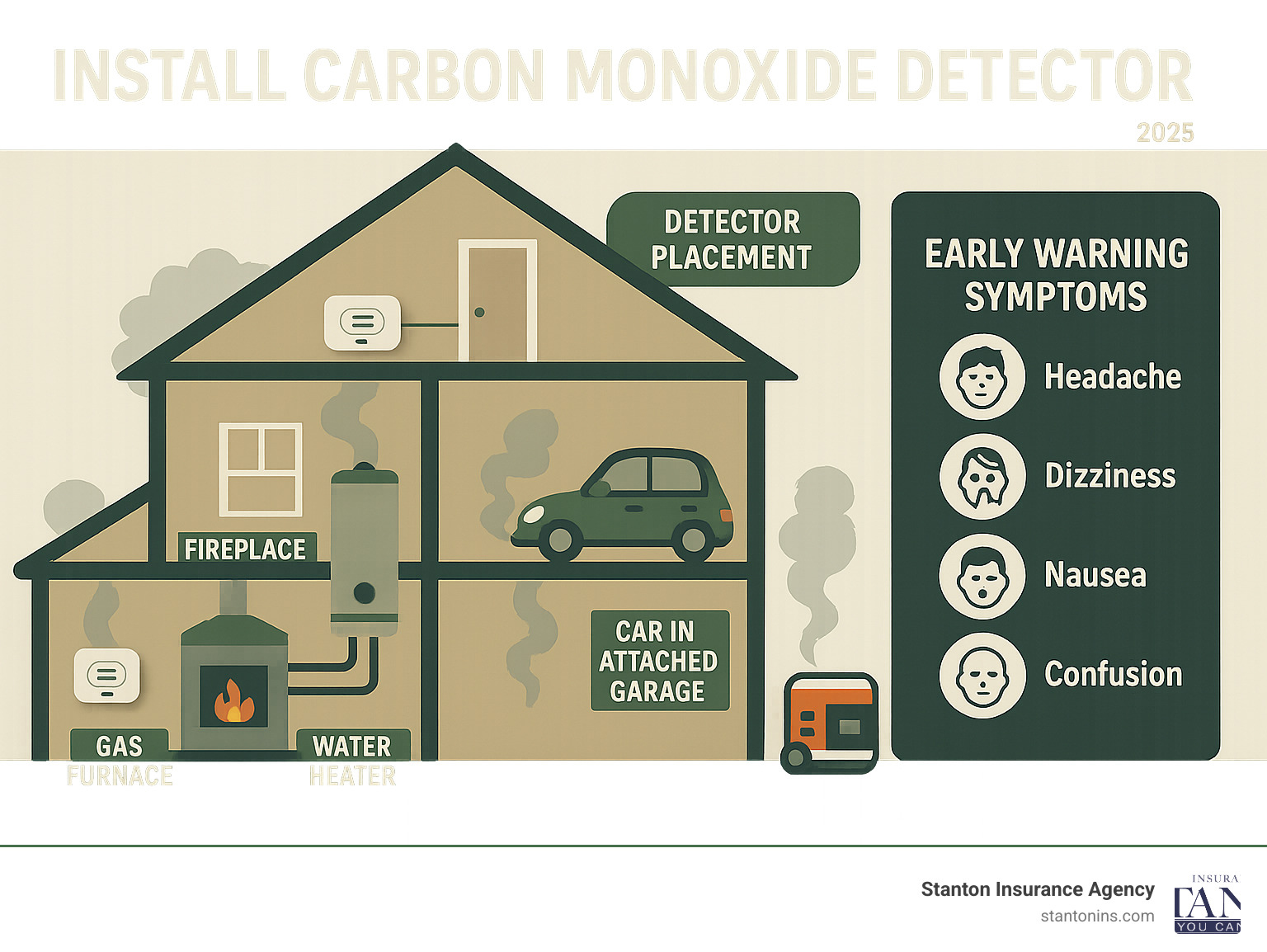
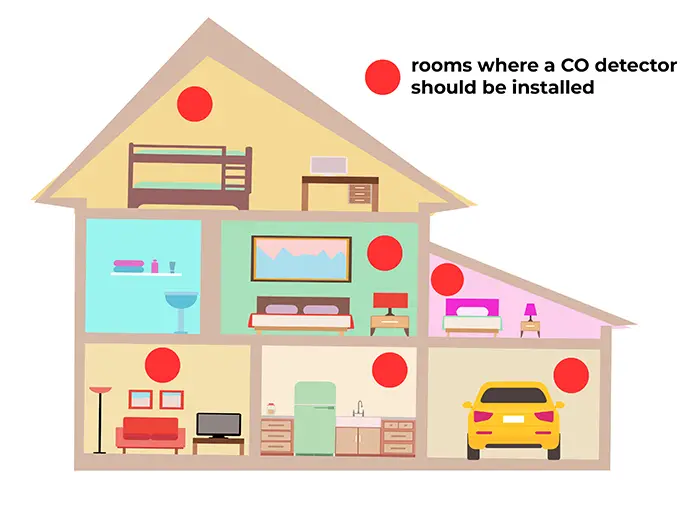
First things first, the absolute must-do: you need at least one CO detector on every single level of your home. Yes, even that creepy basement where your old exercise bike is gathering dust. Upstairs, downstairs, main floor – cover them all.
Must Read
Think of it like a security guard on each floor, keeping an eye out for that invisible nastiness. This isn't just a suggestion; it's practically a hug from your future self, saying "thanks for keeping me safe!"
Right Near Where You Saw Logs (aka Sleep!)
Now, let's get specific. Where are you most vulnerable to CO's sneaky ways? When you're dreaming of pizza and puppies, of course! So, make sure you have a detector near or inside every sleeping area. Imagine waking up feeling 'off' but not knowing why. Horrifying, right?

These detectors are like your personal CO alarm clock, waking you before things get ugly. Don't put it inside the bedroom if it's super tiny and makes a racket, but definitely right outside the door, close enough to hear its screechy little warning.
Outside the Appliance Party
Okay, next up: the culprits. Your furnace, your water heater, that fancy gas fireplace – anything that burns fuel could potentially be a CO source. So, it makes perfect sense to place a detector outside the rooms containing these appliances.
/where-to-place-smoke-detectors-1152485_V2-3c5086adfaa646d69d312b45d342c621.png)
Give it some space, though. Don't mount it right on top of the furnace like a tiny hat. A good 15-20 feet away is usually a solid bet. This way, if there's a leak, it catches it before the whole house is saturated. Think proactive, not reactive!
Basements and Attached Garages: High-Risk Hotspots
Got a basement? We talked about it, but let's reiterate: definitely put one down there. Cold air sinks, and while CO is pretty similar in density to air, if it's coming from a furnace in the basement, it will start to build up.

And if you've got an attached garage? Oh boy, that's a prime suspect area. Cars left running (even for a second!), lawnmowers, snowblowers... you get the picture. Exhaust fumes can easily seep into your living space. So, a detector between the garage and your living area is a total no-brainer. Think of it as a bouncer for your house, keeping the bad stuff from crashing your party.
Where NOT to Stick These Heroes!
Alright, now for the 'don'ts,' because placement isn't just about where to put them, but also where not to. These little guys are sensitive!
- Kitchens & Bathrooms: Skip these. Steam, humidity, and cooking fumes (even your slightly burnt toast!) can trigger false alarms. Your detector isn't trying to tell you your cooking skills are a CO leak!
- Direct Sunlight & Vents: Avoid direct sunlight or areas near vents (like heating/AC vents). Extreme temperatures or strong airflow can mess with their sensors and make them less effective.
- Too Close to Fuel-Burning Appliances: Again, give some distance. You don't want it constantly getting a whiff of minor, safe combustion. It needs to detect abnormal levels.
- Behind Curtains or Furniture: Don't hide these heroes! They need clear access to the air to do their job properly. Visibility equals safety, in this case.
How Many and Don't Forget to Test!
So, how many are we talking, total? Generally, one per level, and one near each sleeping area is the golden rule. If you have a huge house, you might need a few more to cover all your bases.
And don't forget, these aren't 'install and forget' gadgets. Give them a little button-pushing test every month, and swap out those batteries (if it's not a sealed 10-year unit) when you change your clocks for daylight saving. They usually have an expiry date too, so keep an eye on that; typically, they last 5-7 years. After that, they're like old phones – cute, but not doing their job anymore!
Whew! See? That wasn't so bad, was it? No dull safety lecture here, just a friendly reminder to protect your favorite people (and yourself!). Carbon monoxide safety isn't a joke, but understanding it doesn't have to be a chore. So, go forth, place those detectors wisely, and breathe easy, my friend. Your future self (and your lungs!) will thank you. Now, more coffee?