Where Should You Install A Carbon Monoxide Detector
Ever feel like a home safety hero? Well, get ready to don your cape (figuratively, of course!) because today we're diving into a topic that's incredibly useful, surprisingly engaging, and popular for all the right reasons: figuring out where to install your carbon monoxide (CO) detectors. It’s not just about having one; it’s about putting it in the right spot to keep your sanctuary safe and sound. Think of it as a fun puzzle with a life-saving solution!
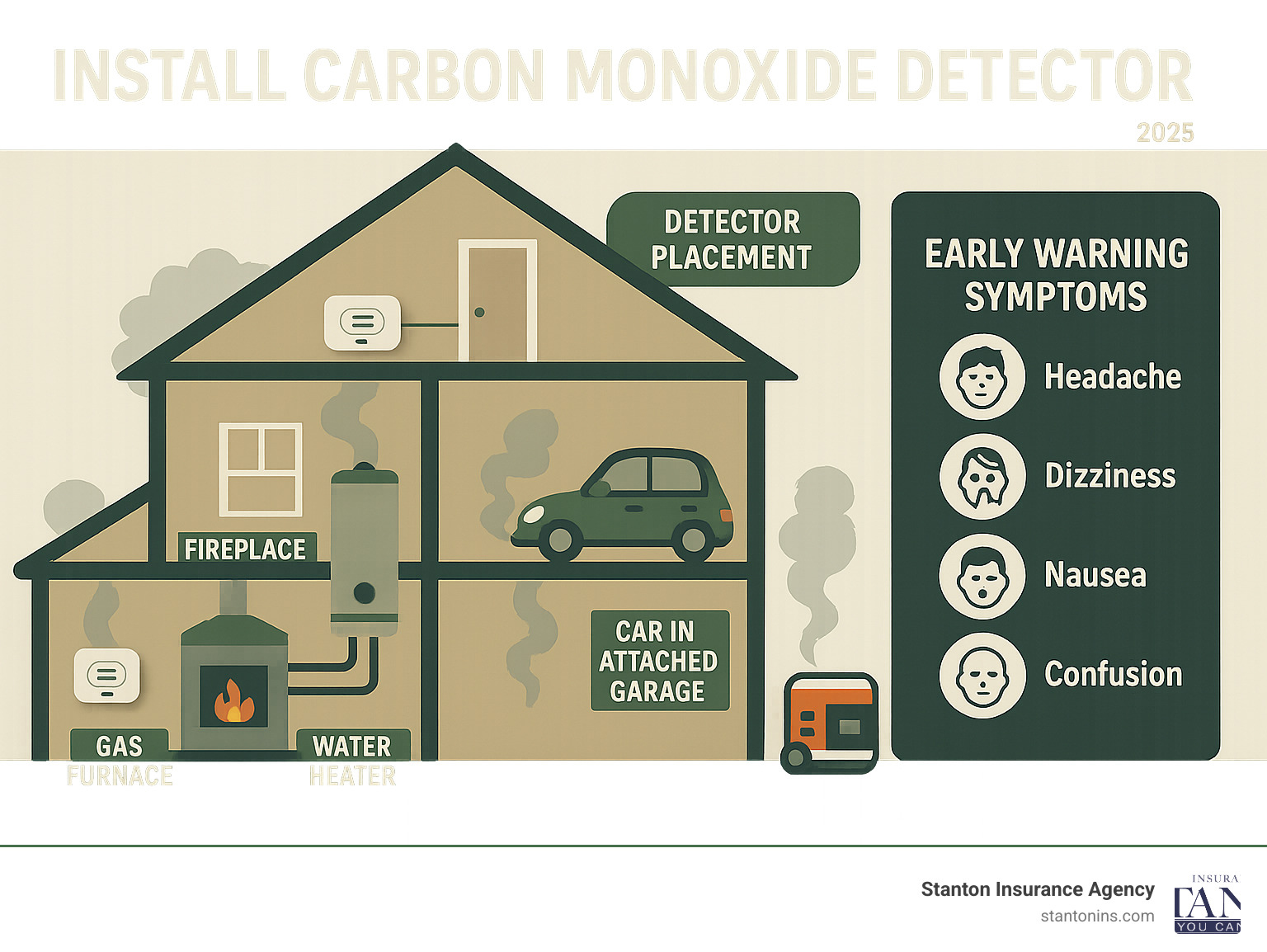
So, what exactly are we protecting against? Carbon monoxide is often called the "silent killer" because it's an invisible, odorless, and tasteless gas produced by fuel-burning appliances (like furnaces, water heaters, or gas stoves) if they aren't working properly. In high concentrations, it can be deadly, causing symptoms like headaches, dizziness, and nausea, which can easily be mistaken for the flu. This is where our unsung heroes, the CO detectors, come in! They constantly monitor the air, sounding an alarm if dangerous levels of CO are present, giving you crucial time to react and get to safety. The peace of mind they offer is priceless.
Now, let's talk prime real estate for these important devices. While CO mixes with air, and doesn't strictly rise or fall like smoke, there are strategic locations for optimal protection:
Must Read
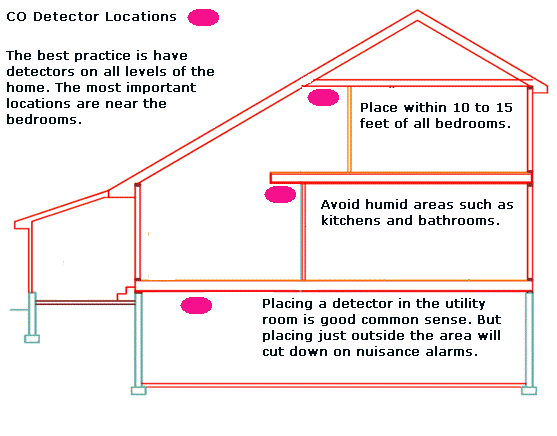
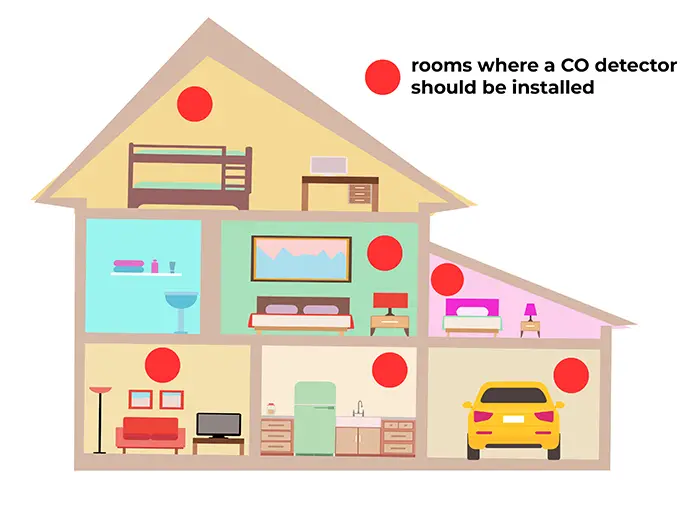
Outside Sleeping Areas: This is arguably the most critical placement. You want an alarm to wake you up if CO levels become dangerous while you're asleep. Install one in the hallway near all bedrooms. If you have multiple sleeping areas (like a master suite and a guest room far apart), consider one for each zone.
On Every Level of Your Home: Don't just think bedrooms! Ideally, you should have at least one CO detector on each floor of your home, including the basement. This ensures comprehensive coverage, no matter where CO might originate or accumulate.

How To Install Smoke and Carbon Monoxide Detectors - YouTube Near Attached Garages: If you have an attached garage, it's wise to place a detector in the room adjacent to it. Car exhaust can contain CO, and if a vehicle is left running or if there's an exhaust leak, CO can seep into your living space.
Near Fuel-Burning Appliances: While it might seem intuitive to put one right next to your furnace or water heater, avoid placing them too close. Normal operation might emit trace amounts that could trigger nuisance alarms. Instead, place them in the general vicinity, perhaps 10 to 15 feet away, but within the same area where such appliances are located.
Carbon Monoxide Detector Placement: A Helpful Illustrated Guide
A few quick tips on what to avoid: Don't place detectors directly above or next to fuel-burning appliances, in kitchens (cooking fumes), in bathrooms (high humidity can affect sensors), or in dusty, dirty, or humid areas. Keep them away from direct sunlight, fresh air vents, or behind curtains and furniture that could block the sensor.
Being a home safety hero means more than just buying a detector; it means knowing where it truly belongs. So, take a moment, survey your home, and ensure your CO detectors are standing guard in all the right places. Test them monthly, change batteries annually (if applicable), and rest easy knowing you've got this vital protection covered!