Where Should Smoke Detectors Be Mounted

Alright, let's talk about something that might not exactly be glamorous, but oh-so-crucial for keeping our lives running smoothly and, dare I say, fun: smoke detectors! You know, those little discs perched on our ceilings or walls, silently standing guard? They're the unsung heroes of our homes, the guardians of our dreams, and frankly, a key ingredient for true peace of mind. And when you've got peace of mind, well, life just becomes a whole lot more enjoyable, doesn't it?
Ever found yourself staring up at one, maybe while trying to dust it, and thought, "Is that even in the right spot?" Good news! That curiosity is the first step to becoming a home safety superhero. Understanding where to place these vigilant sentinels isn't just about following rules; it's about optimizing their superpower to protect your most cherished people and possessions. It’s about ensuring that should the unthinkable happen, you’ve given yourself the best possible chance to respond.
The Golden Rules: Your Detector's Prime Real Estate
Let's get down to brass tacks. Where do these mighty little devices do their best work? Think strategic, my friend!
Must Read
1. Every Single Level: This is non-negotiable, folks. We're talking basement, first floor, second floor, attic – everywhere. Smoke doesn't discriminate by floor; it'll spread. So, neither should your protection. If you live in a multi-story home, imagine smoke traveling up a stairwell like a chimney. You need detectors both at the top and bottom of each stairway to catch it coming or going.
2. Inside and Outside Sleeping Areas: This is perhaps the most critical rule. When you're asleep, your sense of smell diminishes significantly. An alarm is your wake-up call to danger. So, ensure you have a smoke detector inside every bedroom. Yes, every single one! And don't stop there. Place another one in the hallway or area immediately adjacent to the sleeping rooms. Think of it as a double-layered defense system for your sleepy heads.
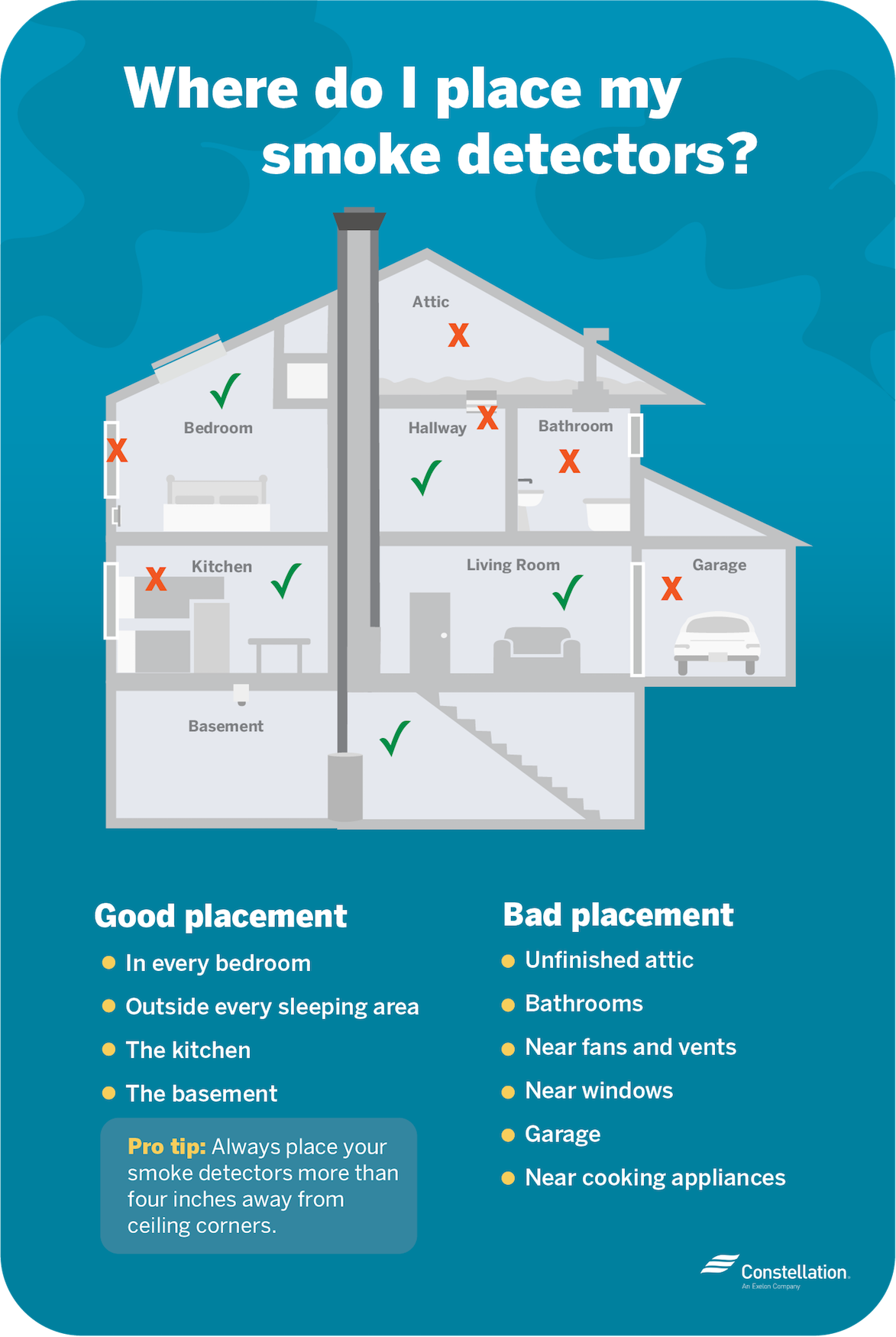
3. High-Traffic Common Areas: Beyond bedrooms, think about the main pathways. Hallways, living rooms, family rooms – if your family gathers there, it's a good spot for an additional layer of detection. These areas can often be the origin points of small fires, or where smoke travels before reaching other parts of the house.
Ceiling or Wall? Let's Solve the Great Debate!
This is where things can get a little nuanced, but don't worry, it's simpler than it sounds!
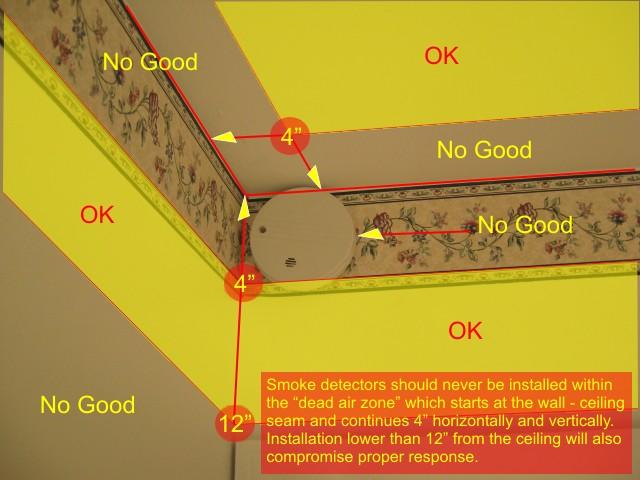
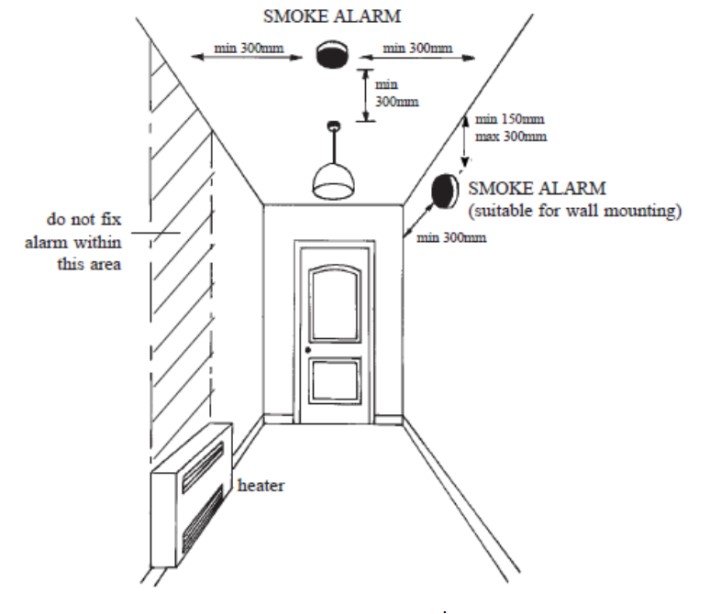
Ceilings are often the champions. Why? Because hot smoke rises! Mounting your detector on the ceiling typically places it right in the path of rising smoke, giving you the earliest possible warning. Aim for the center of a room if possible, but if not, avoid placing it too close to walls or corners, as "dead air" spaces there can delay detection.
:max_bytes(150000):strip_icc()/where-to-place-smoke-detectors-1152485_V2-3c5086adfaa646d69d312b45d342c621.png)
If a ceiling mount isn't feasible, a wall mount is your next best bet. But there's a trick! It needs to be high up, ideally within 4 to 12 inches from the ceiling. Any lower, and you might miss that crucial early plume of smoke. Think of it like a sentry tower – you want your lookout as high as possible for the best view!
Where NOT to Mount (And Why It's Good for Your Sanity!)
Just as important as knowing where to put them is knowing where not to. Avoiding false alarms is key to ensuring you don't become complacent or, worse, disable your detector out of sheer frustration! Nobody wants a drama queen detector crying wolf when there's no real danger.
- Too Close to Kitchens: Cooking fumes, burnt toast, an enthusiastic stir-fry – these are all culprits for false alarms. Place detectors at least 10 feet away from cooking appliances. A bit of distance makes all the difference!
- In Bathrooms: Steam from a hot shower is the arch-nemesis of a smoke detector. It thinks it's smoke, triggers an alarm, and you're left towel-clad and annoyed. Steer clear!
- Near Vents, Windows, or Doors: Air currents from heating/cooling vents, open windows, or drafty doors can mess with a detector's ability to sense smoke effectively. They can either blow smoke away or cause temperature fluctuations that interfere with the sensor.
- In Garages: While garages need fire protection, the exhaust from vehicles can trigger smoke detectors. Consider heat detectors or carbon monoxide detectors (if you park a car inside) for these areas, or place smoke detectors strategically away from engine exhaust.
Why This Is Actually… Fun?
Okay, maybe "fun" isn't the first word that comes to mind when you think about smoke detectors. But hear me out! When you know your home is properly equipped, when you've taken these simple yet profound steps, you've unlocked something truly wonderful: uninterrupted peace of mind. That's fun! You can sleep soundly, knowing your home's little guardians are watching over you. You can focus on movie nights, lively dinners, and the quiet joy of a lazy Sunday morning, without that nagging "what if" in the back of your mind.
It's about empowering yourself, taking control of your family's safety, and creating a truly secure haven. And isn't building a safe, happy place for yourself and your loved ones one of the most rewarding and, yes, fun parts of life?
So, take a few minutes this week. Look up at your smoke detectors. Are they in their prime positions? Are they ready to be the heroes they were designed to be? Go forth, inspect, adjust, and ensure your home is a fortress of safety and serenity. Your future self, enjoying a truly peaceful night's sleep, will absolutely thank you. Now go make your home the safest, happiest place it can be!