
Where Should Smoke Detectors Be Located In A Home
:max_bytes(150000):strip_icc()/where-to-place-smoke-detectors-1152485_V2-3c5086adfaa646d69d312b45d342c621.png)
Hey there, ever really stopped to think about those little white discs stuck to your ceilings? Yeah, I'm talking about smoke detectors! They might not be the flashiest gadgets in your home, but honestly, they're total rockstars. And here's a curious little secret: where you place them is almost as important as having them at all. It's like trying to catch a mischievous ninja – you need to know their likely path!
Why Placement Is Your Secret Weapon Against Smoke
Imagine smoke as a bit of a lazy wanderer. It doesn't just zoom in a straight line; it usually floats upwards, then spreads out horizontally. So, if your smoke detector is tucked away in a corner where the smoke might never bother to visit, it's a bit like having a security camera pointing at a blank wall, right? We want to give these guardians the best possible vantage point.
The Golden Rules: Your Home's Early Warning System
1. Every Level, Every Time!
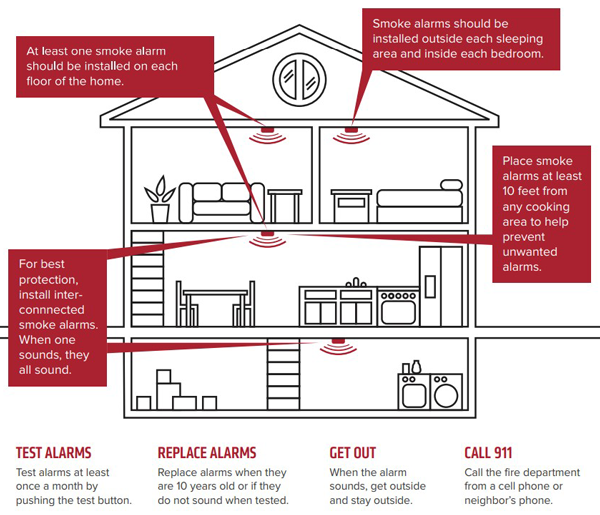
This is probably the most crucial rule of thumb. Do you have a basement? An attic? Multiple floors? You need a smoke detector on every single level of your home. Think of it like having a vigilant scout on each floor, ready to alert the others. Why? Because a fire starting in your basement might not trigger a detector on your second floor until it's much, much bigger.
Must Read
2. Outside Sleeping Areas: Your Wake-Up Call
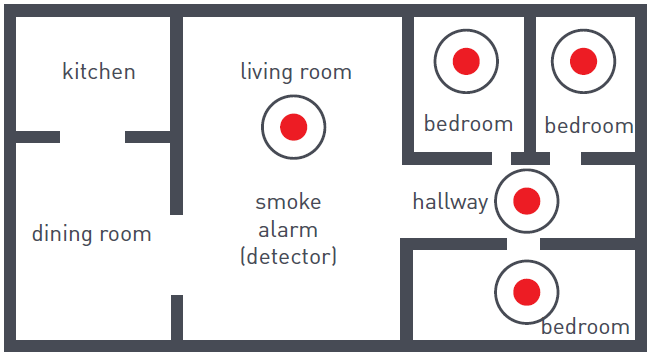
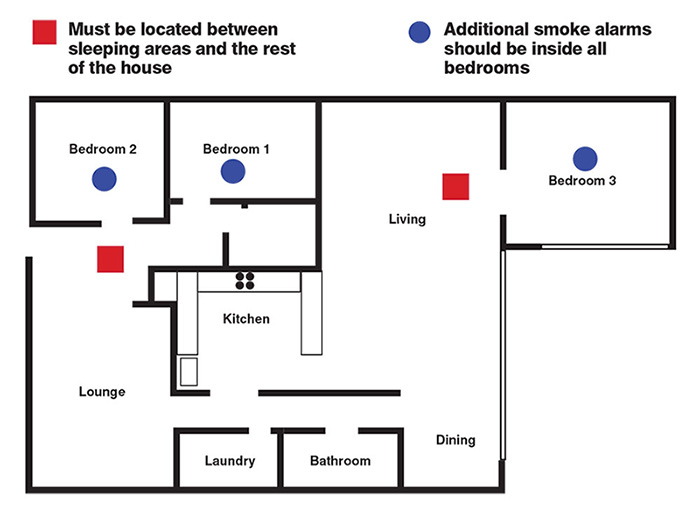
This one's a no-brainer, but super important. You want a smoke detector located in the hallway or area immediately outside your bedrooms. If a fire starts elsewhere in the house, this is your primary alarm to rouse you from sleep. Imagine trying to sleep through a smoke-filled hallway – not fun! These detectors are like your personal, very loud, wake-up service.
3. Inside Bedrooms: For the Deep Sleepers Among Us
While the previous point is essential, many experts also recommend placing a smoke detector inside each individual bedroom. Especially if you're a heavy sleeper, or if you close your bedroom door at night. A closed door can slow down the spread of smoke, meaning an outside detector might take longer to activate. So, an in-room detector acts as a fantastic backup, a personal sentinel just for your slumber space.
Beyond the Basics: Thinking Smart About Smoke
Living Areas & Common Spaces: Where Fires Often Start
Fires love to start where we live, cook, and relax. So, placing detectors in living rooms, family rooms, or dens makes a lot of sense. These are often areas with electronics, fireplaces, or candles – all potential ignition sources. Giving these zones a watchful eye is a smart move.
Kitchens: The Tricky Zone (But Still Important!)
Ah, the kitchen! The land of delicious smells and… accidental burnt toast. Placing a smoke detector too close to your stove or oven is a recipe for annoying false alarms. Nobody wants their dinner party interrupted by a shrieking detector because of a bit of steam! So, for kitchens, the advice is usually to place them at least 10 feet (about 3 meters) away from cooking appliances. Or, consider opting for a photoelectric smoke detector, which is generally better at distinguishing cooking fumes from actual fires.
Stairways: Smoke's Personal Highway
Remember how smoke likes to rise? Stairways act like chimneys, funnelling smoke upwards rapidly. So, positioning a detector at the top of a staircase is incredibly effective. It's like putting a toll booth at the entrance to a major highway – you'll catch that smoke early as it attempts to travel to upper floors.
Basements & Attics: Don't Forget the Edges!
These often-forgotten spaces can harbor unique fire risks. Your furnace, water heater, electrical panels – all typically live in the basement. So, a detector here is a must. For attics, especially if they're used for storage or house electrical wiring, a detector provides extra peace of mind. Again, think about that "every level" rule!
Where Not to Place Them: Avoiding the Drama Queens
Just as important as knowing where to put them, is knowing where not to. You want your smoke detector to be a reliable hero, not a drama queen!
- Near Windows or Vents: Air currents can mess with a detector's ability to sense smoke, effectively blowing the smoke away before it reaches the sensor.
- In Corners: Smoke often struggles to get into tight ceiling corners, making these poor sensing locations. Give it some breathing room!
- Too Close to Bathrooms: The steam from a hot shower can easily trigger a false alarm, turning your peaceful bath into a noisy emergency.
- Within 4 inches of a wall on a ceiling: If you're mounting on the ceiling, give it a little space from the wall. Similarly, if you're mounting on a wall, keep it 4 to 12 inches below the ceiling.
A Final Curious Thought: Interconnected Detectors
Have you ever heard of interconnected smoke detectors? These smart cookies are all linked together. So, if one detector senses smoke in the basement, every single detector in your house screams for attention. It's like a superhero team-up, ensuring everyone gets the warning, no matter where they are in the house. Pretty cool, right?
Ultimately, a little curiosity about smoke detector placement goes a long way. It’s not just about ticking a box; it's about giving your home the best possible chance to alert you and your loved ones if danger strikes. So, take a peek at your ceilings and walls. Are your silent guardians positioned for success? It's a small task with a huge impact!
.png?impolicy=inforgraphic)