
Where Should Smoke Alarms Be Installed
Okay, buckle up, buttercup! We're about to dive into a topic that sounds, well, a little… dry. Smoke alarms! But hear me out. This isn't your grandma's boring safety lecture. We're going to explore the secret life of these little heroes, where they really want to live in your house, and why this seemingly dull subject is actually packed with quirky facts and unexpected insights. Think of it as a house tour, but instead of admiring the decor, we're planning a strategic defense against fiery foes. Fun, right?
The Grand Tour: Every Level Gets a Party Guest!
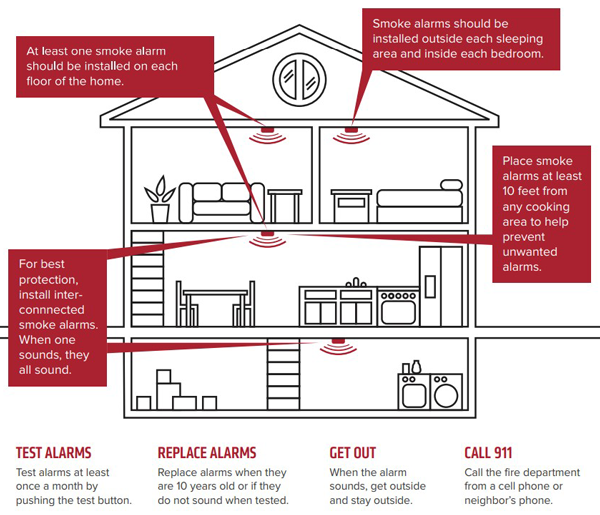
First rule of Smoke Alarm Club: You gotta have one on every single level of your home. Yes, even if your "level" is just a half-flight of stairs to a mysterious den. This isn't just a suggestion; it's like the universal law of "don't burn your house down." Smoke is a sneaky little devil; it doesn't just rise; it spreads out, flows, and can be faster than a toddler on a sugar rush. So, think of each floor as a separate kingdom that needs its own vigilant guardian.
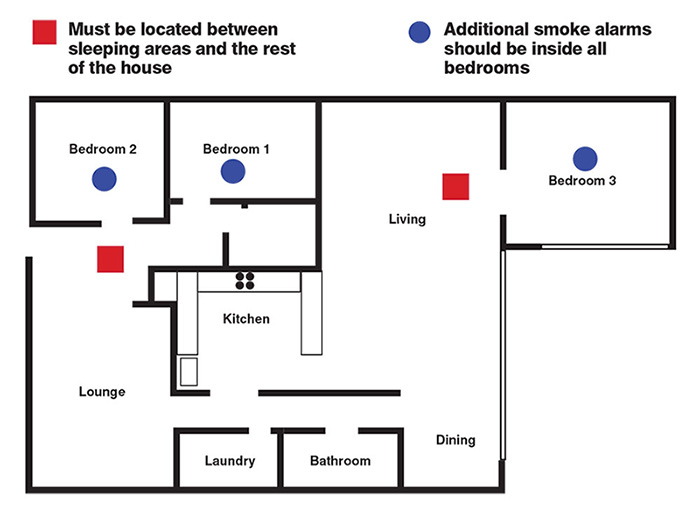
Now, where exactly on those levels? The golden rule, etched in the annals of fire safety, is outside each sleeping area. Imagine your bedroom doors. Your smoke alarm should be chilling in the hallway or common space just outside those doors. It's like a sentry, ready to scream its head off the moment trouble brews, giving you and your loved ones precious seconds to wake up and get out. Those seconds? They're pure gold, my friend.
Must Read
And here's where modern wisdom kicks it up a notch: inside every bedroom. "Wait, what?" you might think. "Isn't outside enough?" Nope! With doors closed (which many of us do for privacy or to keep the cat out), smoke can take its sweet time to seep under the door and trigger the hallway alarm. If a fire starts in your room, you want that immediate, ear-splitting alert. It’s like having a personal alarm clock for emergencies!
The "Watch Out!" Zones (and Why They Need Special Attention)
Your home isn't just bedrooms and hallways, is it? There are other spots where danger might lurk, often unseen. Let's talk about the basement. This is often the forgotten frontier. Boilers, furnaces, laundry machines – the basement can be a hotspot (literally!) for fires. So, absolutely, slap a smoke alarm down there. Ideally, at the bottom of the basement stairs. Smoke loves to travel up, so catching it early on its ascent is key.
And what about the garage? Ah, the garage! Full of gasoline, paint thinners, old rags, and maybe even a project car that's seen better days. This place is basically a chemistry experiment waiting to happen. Garages are notorious fire starters. So, yes, your garage needs its own smoke alarm. But here’s a quirky tip: it's best to use a heat detector in the garage instead of a traditional smoke alarm. Why? Because vehicle exhaust fumes and dust can cause annoying false alarms. A heat detector is less sensitive to those everyday garage happenings but will still sound the alarm if the temperature skyrockets, indicating a real fire.
The "Nope, Not There!" List: Where Not to Stick 'Em
Just as important as knowing where to put them is knowing where not to. This is where the quirky false alarms come into play, turning our hero into a screaming banshee at 3 AM for all the wrong reasons.

Near the kitchen: Oh, the kitchen! The land of burnt toast, sizzling steaks, and steam from the pasta pot. These everyday cooking adventures are the number one culprit for false alarms. Your smoke alarm doesn't care if it's gourmet or accidental charring; it just senses particles in the air. Keep alarms at least 10 feet away from cooking appliances. Give your culinary genius (or mishaps) some breathing room!
Near the bathroom: Hot, steamy showers are glorious, but your smoke alarm thinks it’s a five-alarm blaze. The humidity and steam can trigger nuisance alarms. So, keep them away from those steamy portals of relaxation.
Near windows, doors, or air vents: Smoke alarms need to "see" the smoke, not just feel a gust of wind. Drafts from windows, doors, or air vents can mess with the smoke's path, either blowing it away from the alarm or pushing it through too quickly for proper detection. It's like trying to listen to a whisper in a wind tunnel.

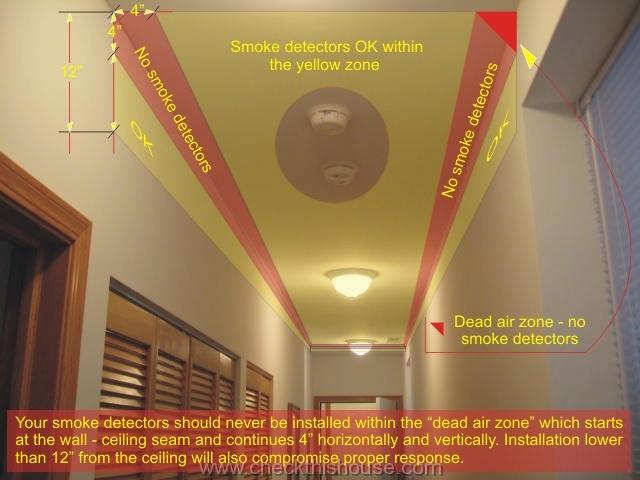
In "dead air" spaces: This sounds a bit sci-fi, right? But it's a real thing. Smoke alarms shouldn't be installed directly in the corner where two walls meet the ceiling, or right at the very tip of a peaked ceiling. Smoke actually struggles to penetrate these little pockets of stagnant air. Think of it like a tiny, invisible air bubble where smoke can't easily reach. Mount them at least 4 inches down from the wall/ceiling corner, or slightly below the ceiling peak.
Fun Facts & Modern Magic: Elevate Your Alarm Game!
Did you know there are different types of smoke alarms? There's ionization (better for fast-flaming fires) and photoelectric (better for slow, smoldering fires). Many modern alarms are dual-sensor, combining both technologies for all-around protection. Smart!
And here's a mind-blower: interconnected smoke alarms. This is seriously cool. If one alarm detects smoke, all the alarms in your house go off. Imagine a fire starting in your basement while you're asleep upstairs. The basement alarm yells, and suddenly, every alarm in your house joins the chorus, ensuring you wake up no matter where the fire begins. It's like a synchronized safety dance!
Some alarms even talk to you! "Smoke detected in the kitchen!" they'll say. No more guessing which alarm is going off. Technology, right? It makes even smoke alarms exciting.
So, there you have it! From quirky false alarms caused by burnt popcorn to the genius of interconnected systems, smoke alarms are way more interesting than they get credit for. They're not just gadgets; they're the tiny, vigilant guardians of your home, screaming their little hearts out to keep you safe. Now go forth, check your alarms, and give them the best possible spots in your home. Your future self (and your house) will thank you!