
Where Should A Co2 Detector Be Mounted
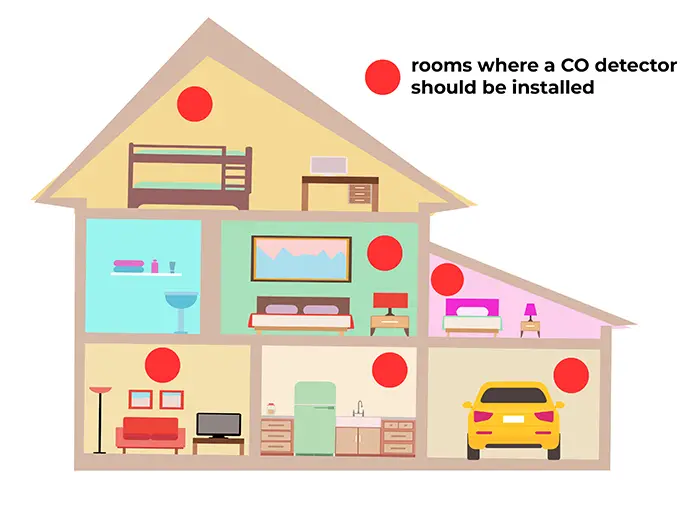
Ever wonder about the air you breathe? It’s usually invisible, silent, and completely taken for granted. But sometimes, things can get a little… stuffy, without you even realizing it. That’s where a handy little gadget, the CO2 detector, swoops in!
Think of it as your personal air quality detective. It quietly sniffs out invisible carbon dioxide levels. Keeping an eye on CO2 can be surprisingly interesting, like having a secret window into your home's breathability.
The Mystery of CO2: Where Does It Go?
Carbon dioxide, or CO2, has a bit of a reputation. It's often thought of as heavy, sinking to the floor. While it is heavier than the air around us, it's also a bit of a social butterfly.
Must Read
CO2 loves to mix and mingle throughout a room. It doesn’t just sit stubbornly on your carpet. Air currents, people moving, and even your heating system help it spread out. So, where’s the best spot to catch this elusive gas?
Finding the Sweet Spot: General Rules
When it comes to mounting your CO2 detector, location is key. You want it where it can get the most accurate reading of the air you’re actually breathing. Imagine it as taking a breath right alongside you.
A good starting point is to place it at about human breathing height. This usually means somewhere between three and six feet off the floor. Not too high, not too low – just right!
Think about where most people gather or spend time sitting. This middle ground gives your detector the best chance to sense what’s really going on in your space. It’s like picking the best seat for a view.
Prime Locations for Your Air Detective
Let's explore some specific spots where your CO2 detector can shine. These are the places where its presence can make a real difference to your comfort and awareness.
Bedrooms: Your Sleep Sanctuary
Bedrooms are prime real estate for a CO2 detector. You spend many hours here, often with doors closed. This can lead to CO2 levels quietly creeping up while you sleep.
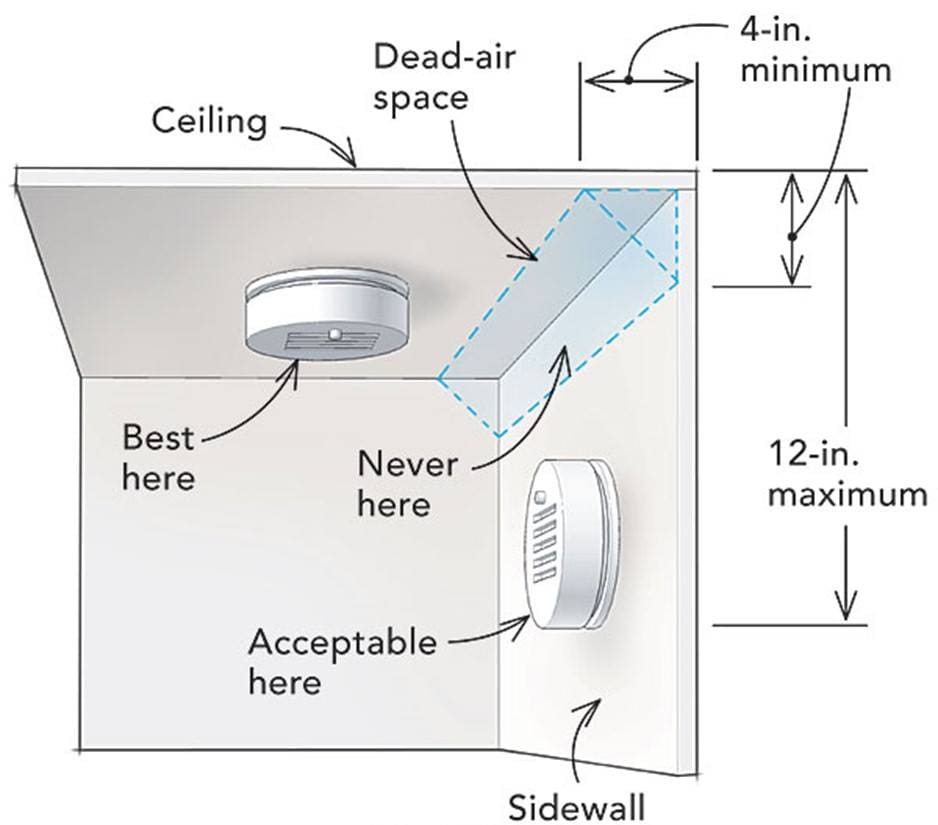
Mount your detector near your bed, perhaps on an adjacent wall. Aim for that breathing height sweet spot. This helps ensure you're getting fresh, comfortable air throughout the night.
Monitoring CO2 in your bedroom can reveal surprising insights. Are you waking up feeling sluggish? High CO2 could be a hidden culprit. It’s truly fascinating to see the data!
Living Rooms & Offices: Hubs of Activity
Next up are your main living areas and home offices. These are often bustling with people, pets, and activity. All that living generates CO2!
Place your detector in a central location within these rooms. Again, the three to six feet height is ideal. Avoid tucking it away in a corner where air might stagnate.
Keeping an eye on CO2 here can make your workspaces more productive and your gatherings more enjoyable. Nobody wants a "stuffy" party, right? Your detector makes sure your air is always inviting.
Anywhere People Gather: The Social Detector
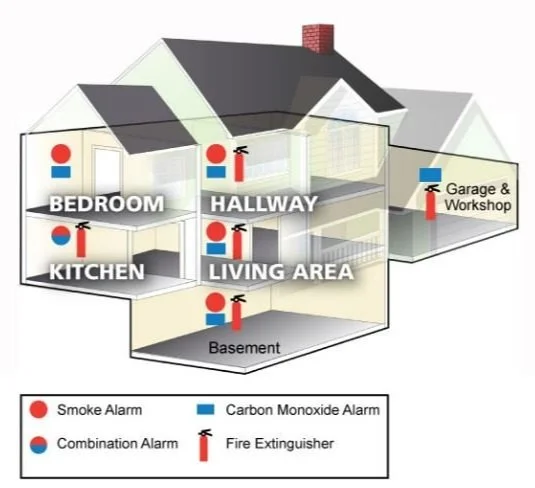
Think about other spots where people tend to congregate. A home gym, a dedicated study, or even a large dining area. The more people, the more CO2 is produced.
These areas benefit immensely from a watchful CO2 eye. It's especially useful in smaller, less ventilated rooms. A well-placed detector helps you know when it’s time to open a window for a breath of fresh air.
.jpg?format=2500w)
It’s like having a friendly reminder to keep things breezy and comfortable. Who knew air monitoring could be so simple and effective?
Spots to Avoid: Where Not to Place Your Detective
Just as there are prime spots, there are also places where your CO2 detector won't be very effective. Knowing these can save you a lot of hassle and ensure accurate readings.
Near Windows or Doors: The Drafty Dilemma
Avoid placing your detector right next to windows or doors. Drafts and fresh air currents can skew its readings. It’s like trying to get an accurate temperature outside on a windy day.
You want it to measure the air inside the room, not the air constantly moving in and out. Give it some space from direct breezes for the best performance.
Close to Vents or Fans: The Wind Tunnel Effect
Similarly, keep your detector away from heating, ventilation, and air conditioning (HVAC) vents or ceiling fans. The forceful air movement can either dilute the CO2 readings or give inconsistent results.
It’s seeking a true sample of the room’s ambient air. Think of it as needing a calm environment to do its best work. Let it settle into a quiet spot.

Behind Furniture or Curtains: The Hidden Detective
Don't hide your helpful detective behind large pieces of furniture, thick curtains, or in enclosed cabinets. These spots can block air circulation around the sensor.
For an accurate reading, the sensor needs open access to the room's air. Keep it visible and unobstructed. It's doing important work, so let it be seen!
In Direct Sunlight or Extreme Temperatures: The Sensitive Side
Extreme temperatures or direct sunlight can affect the detector's sensors. Avoid placing it where it will get baked by the sun or exposed to very cold drafts.
These devices are designed for normal indoor temperatures. Treat it kindly, and it will serve you well, giving you reliable information about your air quality. It's a delicate instrument, after all!
A Few More Tips for Your CO2 Buddy
Beyond placement, there are a couple of other things to remember to keep your CO2 detector happy and effective. These little acts ensure it remains your trustworthy air monitor.
Regular Checks: Keeping an Eye Out
Most CO2 detectors have a test button. Give it a push occasionally! This quick check ensures everything is working as it should be. It’s a simple peace-of-mind ritual.
Refer to your specific model’s instructions for how often to test. It’s like giving your car a quick once-over before a long trip – essential for smooth operation.

Battery Life: Powering Your Protector
If your detector is battery-powered, keep an eye on its battery indicator. A dead battery means a silent, unhelpful detector. Fresh batteries mean constant vigilance.
Replacing batteries when needed is a small task with a big impact. It ensures your air detective is always on duty, ready to alert you to any changes.
The Special Role of Your CO2 Detector
So, why is all this so "special" and potentially "entertaining"? It's not about flashing lights or loud noises, although it does have an alarm when levels get too high. It's about empowerment.
Knowing your CO2 levels gives you a unique insight into your home environment. It empowers you to take simple actions, like opening a window, that can significantly improve your comfort and well-being. That's pretty special!
It's like having a superpower to see the invisible. You can actively manage the freshness of your air, creating a healthier and more pleasant space for everyone. And making a healthy space is always a win.
“A well-placed CO2 detector is more than just a gadget; it's a silent guardian, a curious companion that whispers secrets about the air you breathe.”
By carefully choosing where to mount your CO2 detector, you're not just installing a device. You're activating a friendly guardian, a small but mighty ally in your quest for a truly comfortable and healthy home. Get curious about your air today!