
Where Is The Expiry Date On Car Seats
You know that moment, right? You're rummaging through the fridge, probably looking for that last slice of pizza (don't lie, we've all been there), and your eyes land on the yogurt. Or the milk. Or that suspicious-looking mystery meat from last Tuesday. And there it is, staring back at you in tiny, accusatory print: the expiry date.
Everything, it seems, has one. From your face cream to your favourite snack bar. Heck, some mornings, I'm pretty sure I have an expiry date stamped on my forehead. So, when it comes to something as absolutely, critically vital as a car seat, a piece of equipment literally designed to save your child's life, it's natural to wonder: where is the expiry date on car seats? And more importantly, do they even have one?
You might be thinking, "Wait, car seats expire? That's just a marketing ploy to make me buy a new one, right?" Oh, my friend, if only it were that simple. While it might feel like another thing on the ever-growing list of "stuff to worry about as a parent," the truth is, car seat expiry dates are a very real, very important safety feature. And finding it is a bit like a treasure hunt, but with much higher stakes than finding that last slice of pizza.
Must Read
Why On Earth Do Car Seats Expire?
It's a fair question! They look pretty solid, don't they? Like they could withstand an apocalypse. But there are several crucial reasons why these lifesavers come with a shelf life:
1. Material Degradation: Think about it. Your car seat spends its life in some pretty extreme conditions. Blistering summer heat. Freezing winter cold. Constant exposure to UV rays through the car window. All of these factors take a toll on the plastics, foams, and fabrics that make up the seat. Over time, these materials can become brittle, crack, or lose their crucial impact-absorbing properties. That sturdy shell? It might not be as sturdy as it once was, even if it looks perfectly fine to the naked eye.
2. Wear and Tear (and Grossness): Let's be honest, car seats lead a hard life. Spilled milk. Crumbs galore. Potty training accidents. All of this can weaken the straps, damage the buckles, and compromise the structural integrity. While you can often wash covers, the internal components and mechanisms aren't so easily refreshed.
3. Advancing Safety Technology: Car seat technology, like all technology, doesn't stand still. Every few years, manufacturers innovate, crash testing improves, and safety standards evolve. A seat that was cutting-edge a decade ago might not meet today's rigorous safety requirements. Expired seats can't take advantage of these crucial safety advancements.
4. Manufacturer Liability: Manufacturers can only guarantee the safety and performance of their product for a limited time. Beyond that, they can't be sure the seat will perform as intended in a crash. It's not just about protecting your child, but also about protecting themselves from liability when their product is past its prime.
Okay, So Where Is This Elusive Date?
Alright, intrepid safety seeker, grab a flashlight and maybe a cleaning wipe. This isn't usually stamped on the front in big, friendly letters. Think of it more like a hidden secret, waiting to be discovered. Here’s where to look:
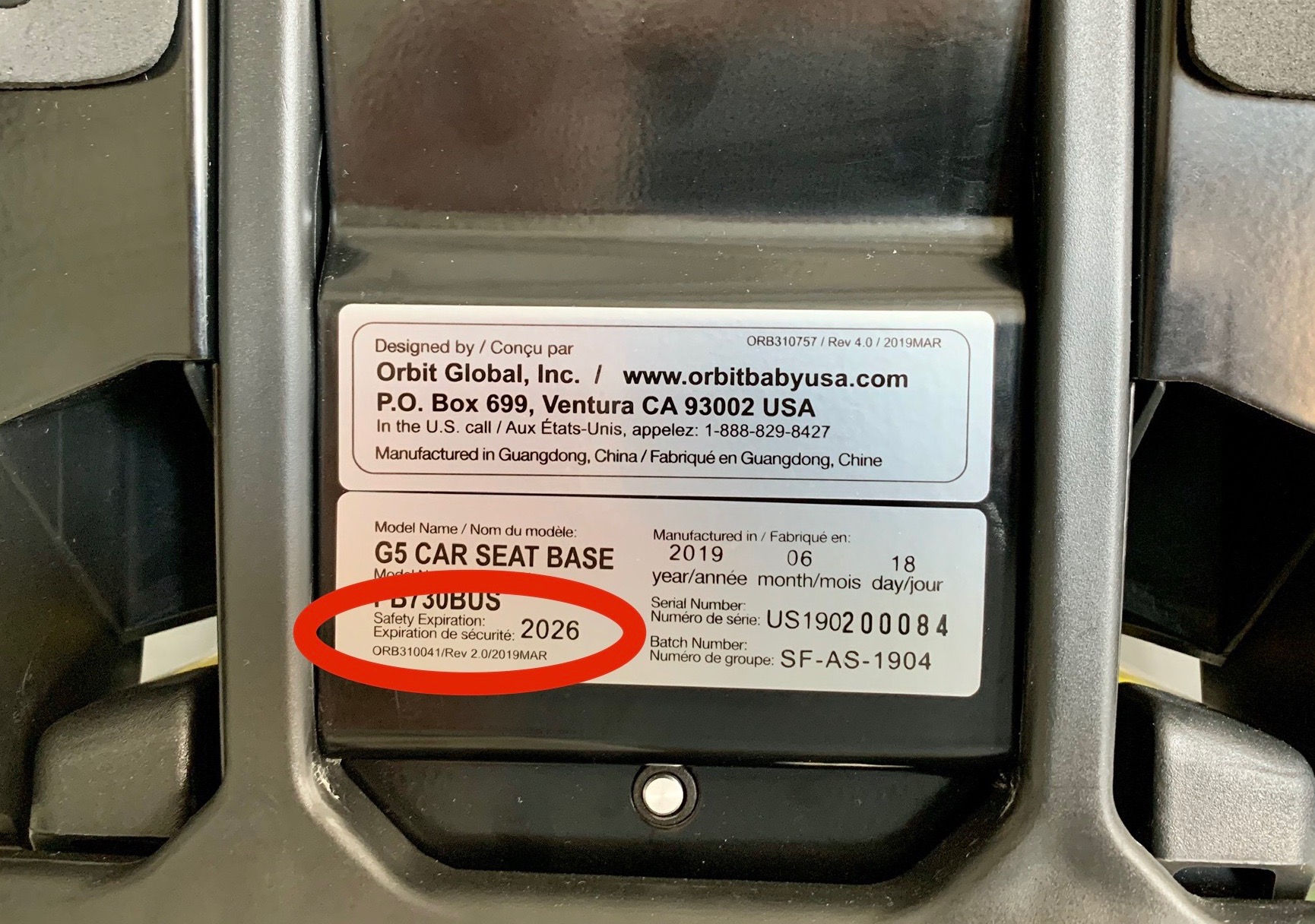
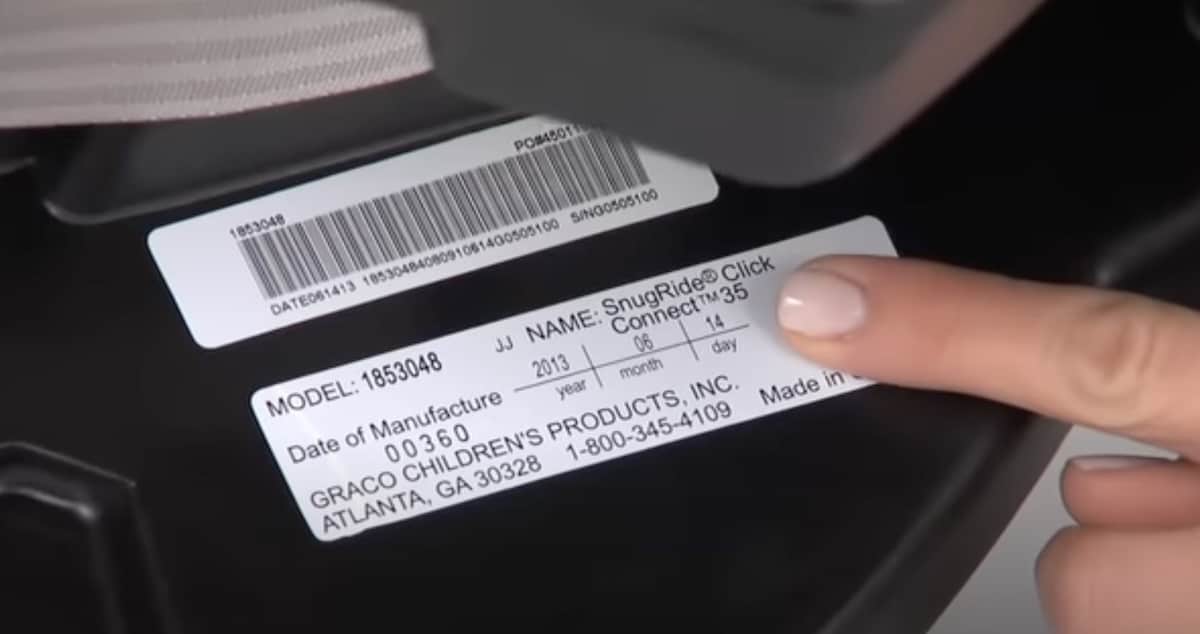
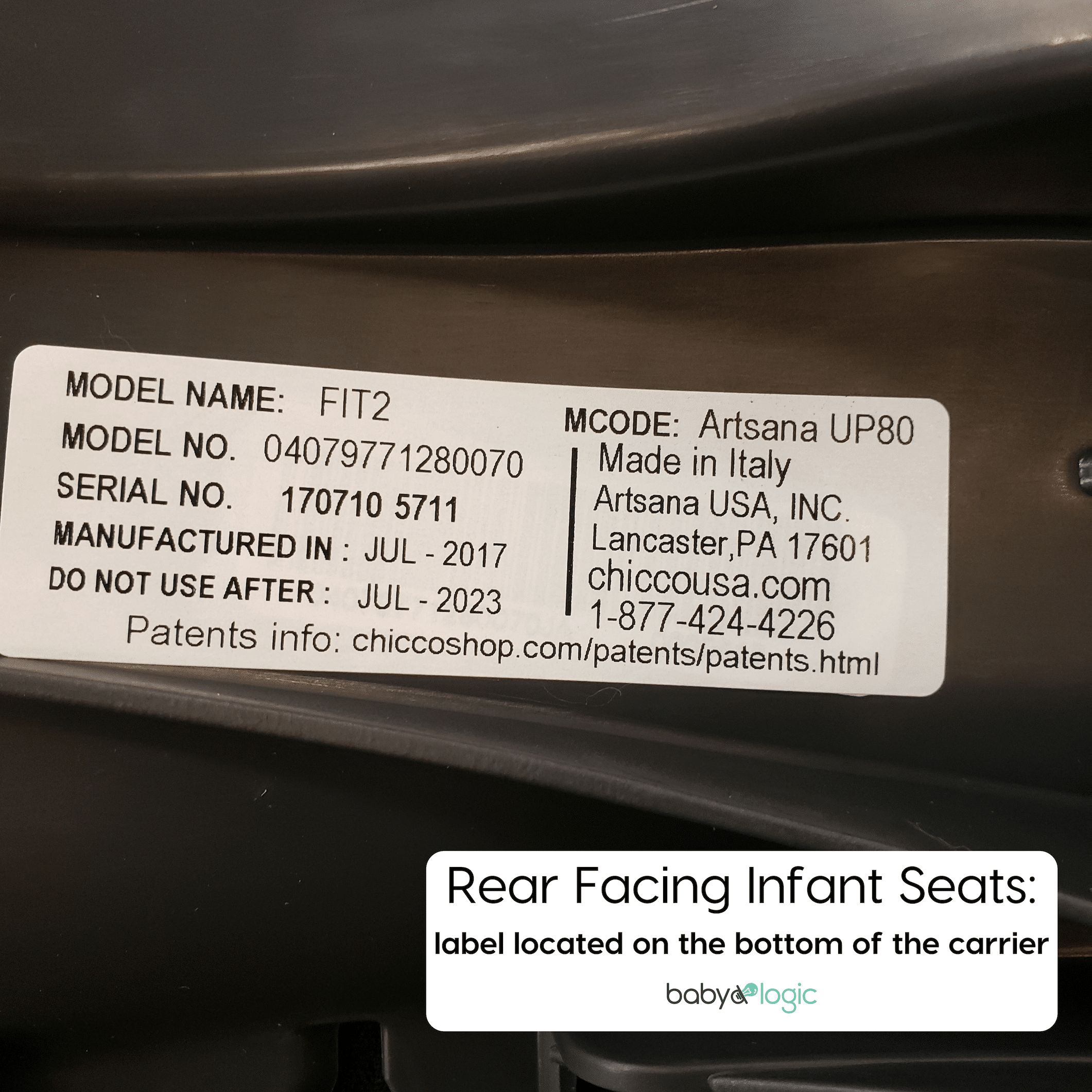
Most manufacturers place the expiry date, or at least the Date of Manufacture (DOM), on a label or sticker. This is often found on the:

- Back or bottom of the car seat shell: You might need to unlatch it from the base or even take it out of the car to get a good look.
- Side of the seat: Sometimes it's tucked away on a lower side panel.
- Under the fabric cover: Occasionally, you might have to lift up a flap or even partially remove the fabric to find a sticker underneath.
- Instruction manual: Always, always keep your manual! It should clearly state the lifespan of the seat from its DOM.
Look for terms like "Do Not Use After" followed by a specific date. If you only find a "Date of Manufacture" (DOM), your manual or the manufacturer's website will tell you how many years from that DOM the seat is safe to use (typically 6-10 years, depending on the brand and model). Make sure to check your specific car seat model, as it can vary even within the same brand.
Top tip: It's usually a white sticker, sometimes engraved directly into the plastic. Don't be afraid to really examine the seat – flip it over, turn it around, pretend you're an archaeologist discovering an ancient artifact!

Found It! Now What?
If your car seat is expired (or nearing its expiry date), do not use it. Seriously. It might look perfectly fine, but its ability to protect your child in a crash is severely compromised. This isn't just about peace of mind; it's about life and limb.
Here’s the plan:
- Dispose of it properly: Cut the straps, destroy the buckle, and mark it clearly with "EXPIRED" or "UNSAFE." This prevents anyone else from trying to use it. Many communities have car seat recycling programs, so check with your local waste management!
- Budget for a new one: Yes, it's another expense, but what price do you put on your child's safety? Look for sales, or consider a more affordable model that still meets all current safety standards.
So, there you have it. The mystery of the car seat expiry date, demystified. It might seem like a hassle, but taking a few minutes to check that date is one of the easiest, most important things you can do to ensure your most precious cargo is safe on every single journey. Go on, check that seat! You've got this.