
Where Is The Closest Nuclear Power Plant

Ever been sitting on your couch, binge-watching your favorite show, scrolling through endless TikToks, or just enjoying the glorious hum of your air conditioning on a hot day? We all rely on electricity, right? It’s just… there. But have you ever stopped to think, even for a fleeting second, about where all that juice actually comes from? And specifically, have you ever wondered, with a little chuckle or a raised eyebrow, “Where is the closest nuclear power plant?”
It’s a question that pops into people’s heads more often than you’d think, usually sparked by a news story, a funny cartoon, or maybe just a moment of quiet contemplation about the sheer scale of modern energy needs. And honestly, it's a brilliant question to ask! Because understanding where our power comes from is like knowing the ingredients in your favorite meal – it helps you appreciate the effort and complexity behind it.
Let's Go On a Little Virtual Adventure!
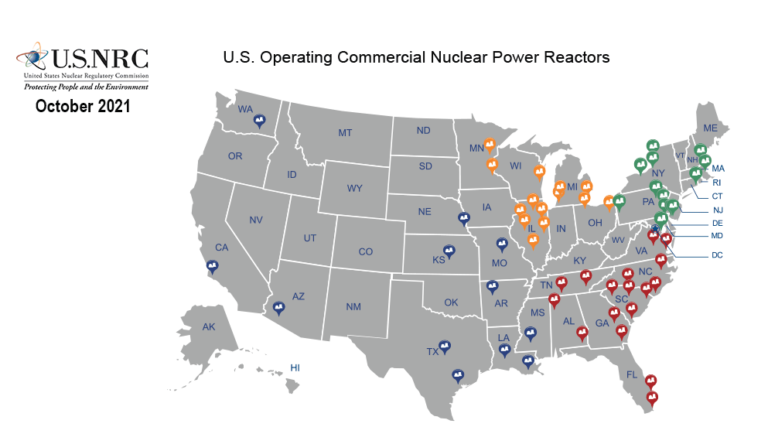
So, how do you find your local nuclear neighbor? It’s probably easier than trying to locate that one Tupperware lid that always goes missing. Grab your phone or hop on your computer. Your best bet is usually a quick search on Google Maps or, for a more official tour, check out the website of your country's nuclear regulatory body (like the U.S. Nuclear Regulatory Commission if you're in the States). Just type in "nuclear power plants near me," and voilà! You might be surprised by how close – or far – one actually is.
Must Read
You’ll likely see a dot on the map, perhaps near a large body of water (they need a lot of cooling, like a giant, thirsty engine). And don't worry, finding it on a map won't suddenly give you superpowers or make your cat start glowing. It's just a location, a big, complex facility that plays a crucial role in our daily lives.
What Does It Actually Look Like? (Spoiler: No Three-Eyed Fish)
Forget the cartoon stereotypes of glowing green goo and smoke-spewing towers. A real nuclear power plant is, well, pretty mundane from the outside. You’ll usually see a few massive, hourglass-shaped cooling towers gently releasing water vapor – which is basically just steam, like from your kettle! It’s not smoke or pollution; it’s just water doing its thing.

The actual reactors are housed in incredibly robust, concrete containment buildings, designed to be pretty much impervious to everything. Think of it less like Homer Simpson’s workplace and more like a highly engineered, super-secure fortress where really smart people in lab coats (and probably sensible shoes) are meticulously managing a truly amazing process. It’s a bit like comparing a race car to a regular sedan – both have engines, but one is designed for extreme precision and safety above all else.
Why Should You Even Care? (Beyond Basic Curiosity!)
Alright, so you’ve found it on the map. Cool. But why should you really care about this big, quiet neighbor? Well, buckle up, because here’s where it gets interesting and, dare I say, important.
1. It's a Climate Champion (The Unsung Hero!)
Here’s the big one: nuclear power plants produce electricity without burning fossil fuels. This means zero carbon emissions during operation. Zero! While solar panels need sunshine and wind turbines need a breeze, nuclear plants can operate 24/7, reliably pumping out clean energy. They're like the quiet, consistent marathon runners in the race against climate change, steadily making progress while others might take a break.
They help keep our air cleaner, reduce smog, and ensure that when you flip a light switch, you're not contributing to the greenhouse gas problem. It’s a powerful ally in our quest for a more sustainable future, even if it doesn't get as much flashy press as solar or wind.
2. Always On, Always Reliable
You know how frustrating it is when your internet goes out? Or the power flickers during a storm? Nuclear power provides what’s called "baseload power." This means it’s a constant, stable source of electricity that doesn’t depend on the weather. It’s the reliable friend who always shows up on time, rain or shine.

This stability is crucial for modern life. It keeps hospitals running, traffic lights working, and your Netflix binge uninterrupted. It means your fridge stays cold and your phone charges every night, providing a consistent backbone to our entire energy grid.
3. Safety First (And Second, And Third...)
The safety record of nuclear power is actually astonishingly good, especially when you consider how much energy it produces. Think about it: these facilities are subject to some of the most rigorous safety regulations and oversight in the world. They have multiple layers of backup systems, emergency protocols, and highly trained personnel.

It’s like an airplane: the technology is complex, and there are inherent risks, but the level of safety engineering and human vigilance makes it one of the safest modes of transportation. Nuclear power plants are designed with this same obsessive attention to detail, constantly monitored and updated to prevent any issues.
So, What Now?
Knowing where your closest nuclear power plant is isn't just a quirky trivia fact. It's an invitation to understand a vital part of our infrastructure. It’s a chance to appreciate the incredible engineering and dedicated people who work to keep our lights on, our homes warm (or cool!), and our planet a little bit cleaner.
Next time you enjoy a fully charged phone or a brilliantly lit room, take a moment to give a silent nod to all the power plants out there – including your closest nuclear neighbor. They're a testament to human ingenuity, and a quiet, powerful contributor to the comfortable, connected world we all enjoy. And who knows, maybe that little search will spark a bigger curiosity about energy, technology, and the amazing world around us!