Where Is The Best Place To Put A Co2 Detector
Have you ever walked into a room, perhaps a classroom after lunch, an office meeting space, or even your own bedroom first thing in the morning, and just felt a bit… stuffy? That subtle sense of a lack of freshness, a slight dip in energy, or even a mild headache that seems to clear up the moment you step outside? You might be experiencing the effects of elevated carbon dioxide levels. It’s a fascinating, almost invisible aspect of our daily environments, and understanding it can actually make a big difference to our comfort and productivity. This is where the unassuming but incredibly helpful CO2 detector comes into play, a little gadget that acts like a window into the air we breathe indoors.
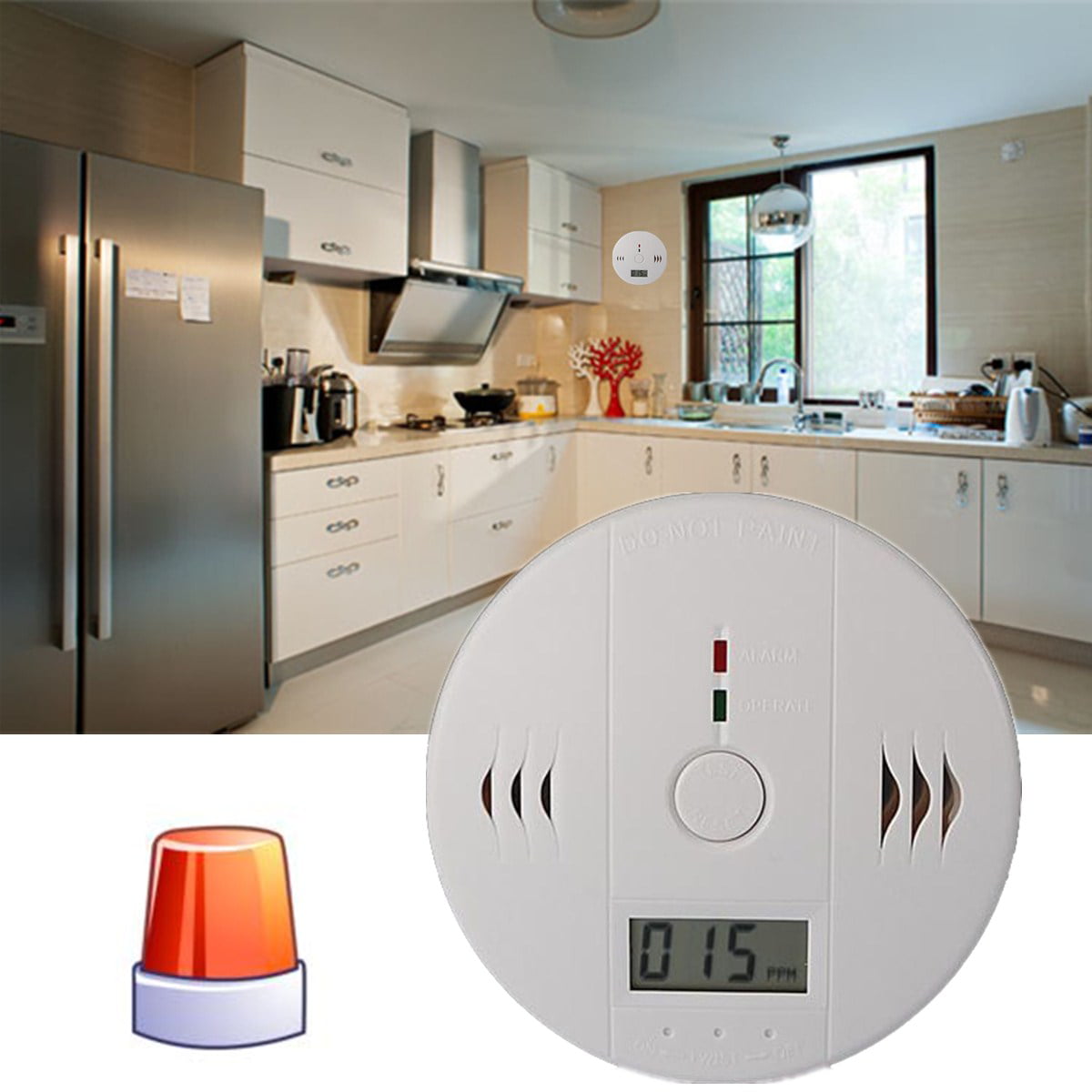
A CO2 detector isn't just a fancy tech toy; it's a silent sentinel for your indoor air quality. Its primary purpose is to measure the concentration of carbon dioxide in parts per million (ppm). While CO2 isn't directly toxic at the levels we typically encounter indoors, high concentrations can make us feel sluggish, decrease our ability to concentrate, and even disrupt our sleep. Think of it as a subtle indicator of how well-ventilated a space is. By monitoring CO2, we gain the benefit of knowing when to open a window, turn on a fan, or adjust ventilation systems, ensuring a fresher, healthier environment. It's important to remember this is different from a carbon monoxide detector, which monitors a truly dangerous, odorless gas – a CO2 detector is all about optimizing comfort and cognitive function.
The applications for this simple device are surprisingly widespread and impactful. In an educational setting, a CO2 detector can empower teachers to ensure optimal learning conditions. Imagine a classroom where students remain more alert and focused throughout the day because the air quality is actively managed. In daily life, it's invaluable for your home office, helping you stay sharp during work, or in the bedroom, potentially improving sleep quality by prompting you to ventilate before bed. Even in busy kitchens or living rooms, a detector can signal when it’s time to air things out, especially when hosting guests. It's a wonderful example of subtle science making a tangible difference in our immediate surroundings.
Must Read
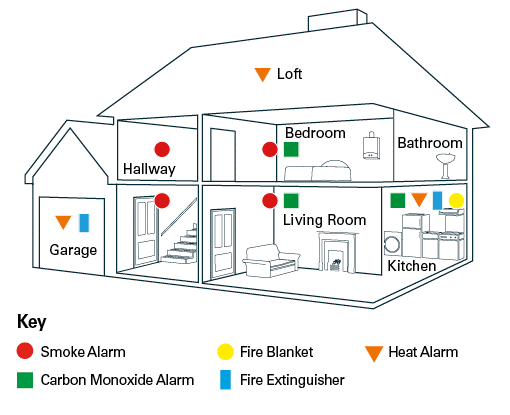
So, you’ve got one of these clever devices – but where is the best place to put a CO2 detector? This is where the fun experimentation begins! As a general rule, you want to measure the ambient air quality of the entire room, not just a localized pocket. Avoid placing it directly next to an open window or a ventilation fan, as this will give you an artificially low reading. Conversely, don't place it right next to where people are constantly breathing, like on your desk right beside your face, as our breath contains elevated CO2 and will skew the results high. The ideal spot is usually somewhere central in the room, perhaps on a bookshelf, a side table, or mounted on a wall. Aim for breathing height or slightly above, to get a good average of the air circulating.
To truly explore its utility, try moving your detector around. Observe how readings change throughout the day in different rooms. How does the CO2 level fluctuate when you're cooking versus sleeping? What happens when you have guests over? Does airing out a room for just 10 minutes make a noticeable difference? This hands-on approach turns a simple gadget into a tool for understanding and actively improving your immediate environment. It’s a wonderful way to bring a bit of scientific curiosity into your daily routine and enjoy the tangible benefits of cleaner, fresher air. Happy experimenting!
![Where to Put Carbon Monoxide Detector? [Answered]](https://home-cdn.reolink.us/wp-content/uploads/2025/04/where-to-place-carbon-monoxide-detector.jpg)