
Where Does Carbon Monoxide Come From Inside Your Home

Alright, let's talk about carbon monoxide. It’s that spooky, invisible guest everyone warns you about. You know, the one that makes headlines sometimes. But have you ever actually stopped to think where this sneaky gas comes from inside your cozy home?
Most folks imagine it just… appears. Like a bad magic trick. But here’s my slightly unpopular opinion: we often, quite accidentally, invite it in ourselves. It's less about a random attack, and more about our helpful appliances getting a little stressed.
Think of it this way: our homes are full of hardworking machines. They do wonderful things for us. And sometimes, they get a bit overwhelmed and produce something unexpected. Like a very quiet, very polite, but very unwelcome gas.
Must Read
The Usual Suspects: Our Cozy Carbon Cousins
Our homes are filled with the hum of modern life. Many of these conveniences rely on burning fuel. And burning fuel, friends, is the key ingredient in our little mystery.
When fuels like natural gas, propane, kerosene, wood, or charcoal don't burn completely, they release byproducts. One of these sneaky byproducts is our elusive friend, carbon monoxide. It's like a clumsy chef making a mess in the kitchen.
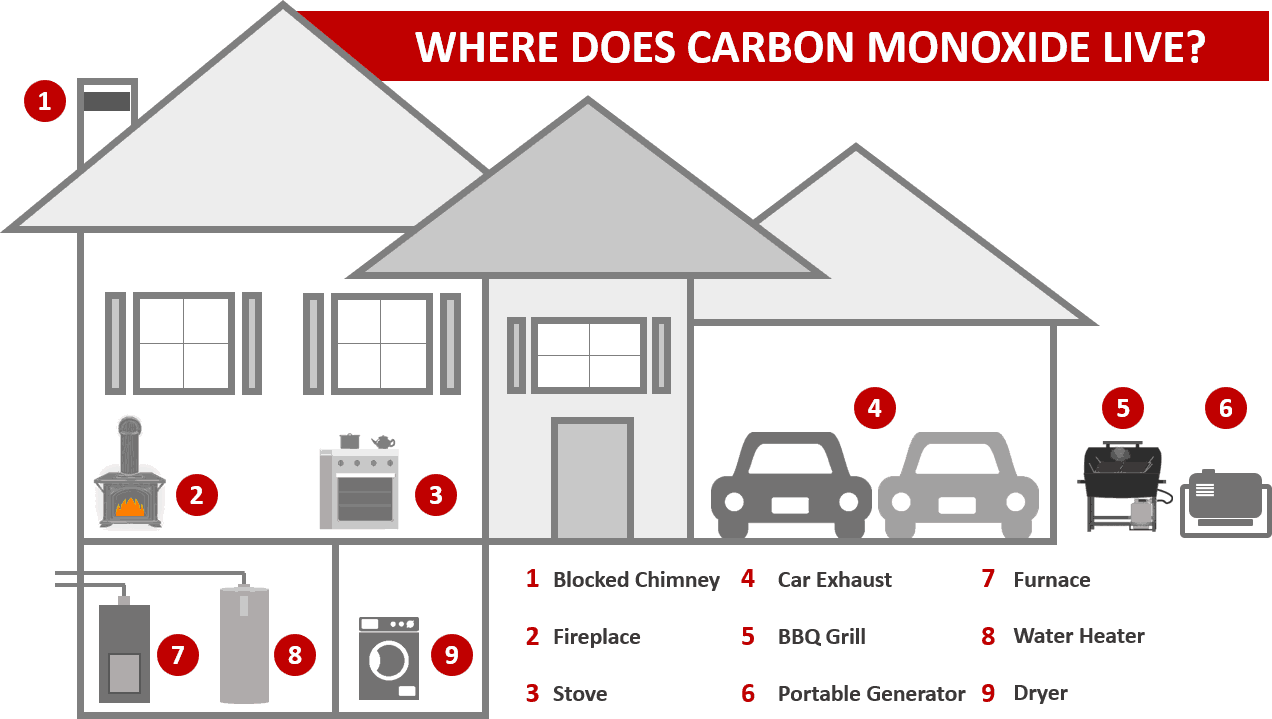
1. The Toasty Tyrant: Your Furnace
Ah, the trusty furnace! It’s the unsung hero of winter, bravely battling the chill. It hums along, pushing cozy warmth through your vents. We barely give it a second thought, do we?
But sometimes, this hardworking appliance gets a little grumpy. When its parts get old or dusty, things don't burn quite right. That's when it starts whispering secrets.
These secrets aren't about your thermostat settings. Instead, it might be quietly letting out a gas called carbon monoxide. It’s not trying to be mean; it just needs a check-up!
Think of it like a car needing an oil change. If you neglect your furnace's annual service, it might just return the favor. A neglected furnace is a potential CO producer.
It’s less about a villain sneaking in and more about an old friend getting tired. We expect heat, but sometimes we forget the burning process involved. And that process can be tricky.
So, our first “unpopular opinion” guest is often right in the basement or utility closet. It's an appliance we depend on daily. And it asks for so little in return.
Except, of course, for proper maintenance and maybe a little appreciation. When it's not maintained, its exhaust might not go where it should. It might just waft into your living space.
This exhaust should go safely up a flue or vent. If that vent is blocked or cracked, oops! CO can then escape into your home. It’s a bit like a mischievous ghost escaping its bottle.
And suddenly, your warm, inviting home has an invisible, odorless squatter. An uninvited guest, courtesy of our own heating system. All because we forgot to check its manners.
2. The Water Heater Whisperer: Keeping Things Warm
Next up, let's chat about your water heater. It patiently warms your showers and dishwater. It’s usually tucked away, a quiet workhorse that just keeps doing its thing.
Like the furnace, many water heaters burn natural gas or propane. They have a little flame inside, busy making sure your morning shower isn’t a shocker. This flame needs good airflow.
If its vent gets clogged or damaged, or if it's just not getting enough fresh air, that little flame struggles. A struggling flame is an unhappy flame. And an unhappy flame produces unhappy gases.
Suddenly, that warm water comes with an unintended bonus: carbon monoxide. It’s not flowing with the water, thankfully! It’s leaking from the combustion chamber into your home's air.
It’s not trying to poison your bath. It's just a sign that its exhaust system is a bit bungled. The gases meant to go outside are deciding to hang out inside instead.
This situation reminds us that even the most mundane household items require attention. Otherwise, they might start sharing more than just hot water. They might share harmful gases.
3. The Culinary Culprit: Gas Stoves and Ovens
Oh, the joy of a home-cooked meal! Gas stoves and ovens are champions of deliciousness. They let us whip up gourmet delights or simply toast a bagel with ease.
But here's a little secret: these fantastic cooking tools are meant for cooking, not for heating your kitchen. Using them to warm up the room is a big no-no. It creates an unnecessary risk.
When burners are dirty, or if the oven isn't venting properly, guess what? Incomplete combustion rears its head. And then, carbon monoxide joins the aroma of your simmering stew.
The extractor fan above your stove isn't just for smells. It's also there to whisk away these combustion byproducts. Forgetting to use it is like giving CO a free pass.
We often assume our kitchen appliances are completely safe, all the time. But even the best chef can make a mistake. And even the best stove needs proper ventilation to stay safe.
Leaving a gas burner on low for hours, especially without adequate ventilation, is like asking for trouble. You're inadvertently inviting that invisible guest to dinner. And it never helps with the dishes!
4. The Dryer's Dark Secret: Fluffy Towels, Hidden Fumes
Nothing beats the feeling of warm, fluffy towels straight from the dryer. Our gas dryers are truly magnificent for their speed and efficiency. They take wet clothes and make them wonderful.
However, gas dryers also produce exhaust gases. These gases, ideally, go straight out of your home through a vent. A vent that gets clogged with lint, mind you.
Yes, that seemingly harmless lint isn't just a fire hazard. A blocked dryer vent means those exhaust gases can't escape properly. And when they can't go outside, they come inside.
So, while you're enjoying perfectly dried laundry, your dryer might be silently spewing carbon monoxide into your utility room. All because a simple vent got congested.
It’s a gentle reminder that even the most domestic chores have a potential downside if we ignore maintenance. That lint trap isn’t just for protecting clothes; it’s a critical safety feature.
Our everyday habits, like forgetting to clean the dryer vent, can unintentionally pave the way for this unwanted gas. It's a small task with a big impact on safety.
5. The Warmth We Worry About: Fireplaces and Wood Stoves
A crackling fireplace or a cozy wood stove conjures images of comfort and warmth. There's nothing quite like gathering around a real fire on a chilly evening. It's primal and inviting.
But these charming heat sources are basically controlled indoor bonfires. And bonfires, by their very nature, produce smoke and gases. That's why they need a chimney!
If that chimney or flue is blocked by debris, soot, or even a mischievous bird's nest, the smoke can't escape. Where does it go? You guessed it: back into your living room.
Along with visible smoke, a blocked chimney also back-drafts invisible carbon monoxide. It’s like the chimney is having a bad hair day and refusing to let anything out.
Similarly, a poorly maintained wood stove, or one that's not getting enough ventilation, can also struggle to burn cleanly. This means more CO hangs around instead of exiting safely.
So, while we love the ambiance, remember that these charming heat sources demand respect. They are not merely decorative. They are powerful combustion machines that need clear pathways.
6. The Outdoor Invaders (Who Sneak Indoors): Grills and Generators
Lastly, let’s talk about things that explicitly belong outside. Your gas grill is perfect for backyard barbecues. Your generator is a lifesaver during power outages. Both are fantastic tools.

But neither of them, under any circumstances, should ever be used inside your home. Not in the garage, not on a porch with closed windows, not even "just for a minute." This is where the biggest dangers often lie.
These devices are designed for outdoor use where fresh air can quickly dissipate their exhaust. Indoors, their exhaust, rich in carbon monoxide, quickly builds to dangerous levels.
People sometimes bring a grill into the garage during rain. Or run a generator "just outside the door" during a storm. These seemingly innocent actions are incredibly risky.
It's the ultimate example of inviting the invisible guest in. These powerful combustion engines simply don't have an appropriate exhaust system for an enclosed space. They are designed to be outdoors.
So, remember that some things are meant for the great outdoors, no matter how convenient it seems to bring them in. That's a golden rule for keeping carbon monoxide out of your home.
The "Unpopular" Truth: It's All About Combustion!
So, where does carbon monoxide come from inside your home? It doesn't magically materialize. It comes from the things we use to cook, heat, and power our lives.
It’s a byproduct of incomplete combustion. When fuels don't burn cleanly, CO is created. And when those combustion gases don't have a clear path outside, they come inside.
The "unpopular" truth is that CO often comes from our own beloved, hardworking appliances. They aren't trying to be villains; they just need a little TLC and proper ventilation to stay good citizens.
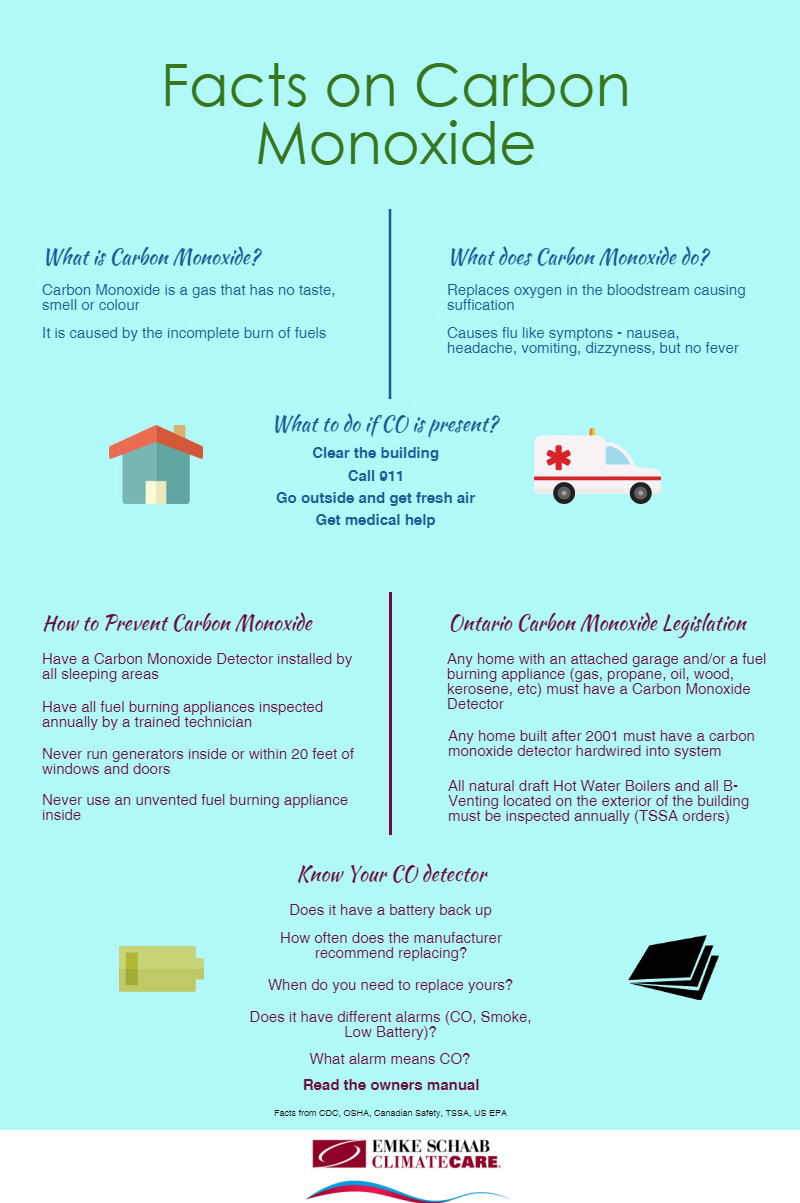
So, let's keep those hardworking appliances happy and well-maintained. Give them good air. Give them clear exhaust paths. And install those little CO detectors, just in case.
That way, we can all live in a home that's truly cozy, safe, and free from any uninvited, invisible guests. Our appliances can keep working for us without any dangerous secrets.