
Where Does Carbon Monoxide Come From In Your Home

Imagine your home. It’s a haven, isn’t it? A place filled with laughter, the aroma of a delicious meal, and the comforting hum of everyday life. We love our homes, and for good reason! They’re where memories are made, where we find warmth on a chilly evening, and where our beloved appliances work tirelessly to make our lives easier.
But sometimes, even in our cozy castles, there can be a tiny, invisible secret agent lurking. Not a villain, mind you, but an uninvited guest called Carbon Monoxide, or CO for short. It’s odorless, colorless, and tasteless, making it a bit of a stealthy character. But don't fret! Understanding where it comes from is like knowing the secret hideouts of a mischievous but ultimately harmless sprite – and once you know, you can keep your home perfectly safe and sound.
The Heart of the Home: Burning for Comfort
At the core of much of our home’s comfort is something wonderful: fire! Or, more accurately, combustion. When things burn, like natural gas, propane, oil, kerosene, wood, or charcoal, they’re meant to do it cleanly and efficiently, creating heat and light.
Must Read
However, if the burn isn’t complete – if there isn’t enough oxygen, or if the ventilation isn’t quite right – that’s when our secret agent, CO, can appear. Think of it like a recipe. If you don't have all the right ingredients, or if you cook it at the wrong temperature, you don't quite get the perfect dish. In this case, the "imperfect dish" is carbon monoxide.
The Toasty Furnace: Your Winter Warrior
Let's start with the big one, often tucked away in the basement or a utility closet: your furnace or boiler. This magnificent machine is the unsung hero of winter, bravely battling the cold to keep your entire home a warm, inviting sanctuary. It's truly a marvel of modern comfort!
But imagine your furnace, like a diligent worker, needing to breathe easily to do its best job. If its exhaust vent gets blocked by something like a bird's nest (a cozy but ill-advised choice for our feathered friends!), or if parts become worn and cracked over time, its "breathing" gets difficult. When it can't vent properly, or if the combustion chamber isn't sealing tightly, our little CO agent might slip out instead of being whisked away safely outdoors.
It’s not trying to be naughty; it’s just the unintended consequence of a hard-working appliance that needs a little tender loving care. A quick annual check-up by a professional is like sending your furnace to a spa day, ensuring it breathes easy and keeps everyone safe and warm all season long.
The Steamy Water Heater: The Shower's Best Friend
Next up is another faithful companion: your water heater. Oh, the joy of a hot shower on a chilly morning, or sparkling clean dishes without the chill of cold water! This appliance works quietly in the background, providing that wonderful warmth we often take for granted.
Most water heaters, especially gas ones, have a vent pipe that gently escorts their exhaust gases outside. But just like our furnace, this hardworking friend also needs a clear path. If its vent gets a little dusty, a bit clogged, or perhaps dislodged, the exhaust (and potentially CO) might find its way into your home instead of venturing outdoors where it belongs.
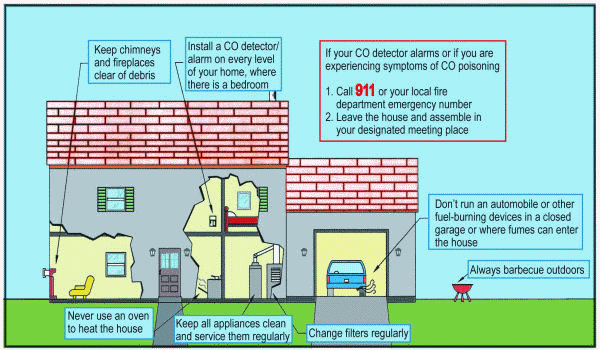
Think of it as your water heater needing to clear its throat! Ensuring that vent pipe is clear and connected is a simple act of kindness that keeps your hot showers blissful and your home safe. It’s all about letting those combustion byproducts have a clear exit strategy.
The Culinary Genius: Your Gas Stove and Oven
Ah, the kitchen! The heart of many homes, filled with the delightful aromas of baking cookies, simmering soups, or a Sunday roast. Your gas stove and oven are truly culinary magicians, transforming simple ingredients into delicious feasts. We adore them for their convenience and precision.
Normally, when you light a burner or turn on the oven, the flames are a pretty blue, indicating efficient burning. But if those flames start looking a bit lazy and orange, or if there's a strange smell, it might be a sign that they're not getting enough oxygen. This incomplete burn is where CO can sneak into your culinary creations.
Sometimes, simply ensuring your kitchen is well-ventilated by turning on the range hood or opening a window can make all the difference. It’s like giving your stove a little breathing room to work its magic without any accidental side effects. So, let your kitchen breathe, and let your delicious dishes be the only thing filling the air!
The Cozy Hearth: Fireplaces and Wood Stoves
Few things say "cozy" quite like a crackling fire in a fireplace or a warm glow from a wood stove. It’s the ultimate comfort, bringing families together and conjuring images of simpler times. There’s something almost primal and heartwarming about watching the flames dance.
But this wonderful source of warmth needs a clear path for its smoke and gases – its chimney. Think of your chimney as a direct highway to the sky for all those combustion byproducts. If that highway gets clogged with soot, debris, or even a sleepy critter building a nest, the gases can get stuck and wander back into your living room.
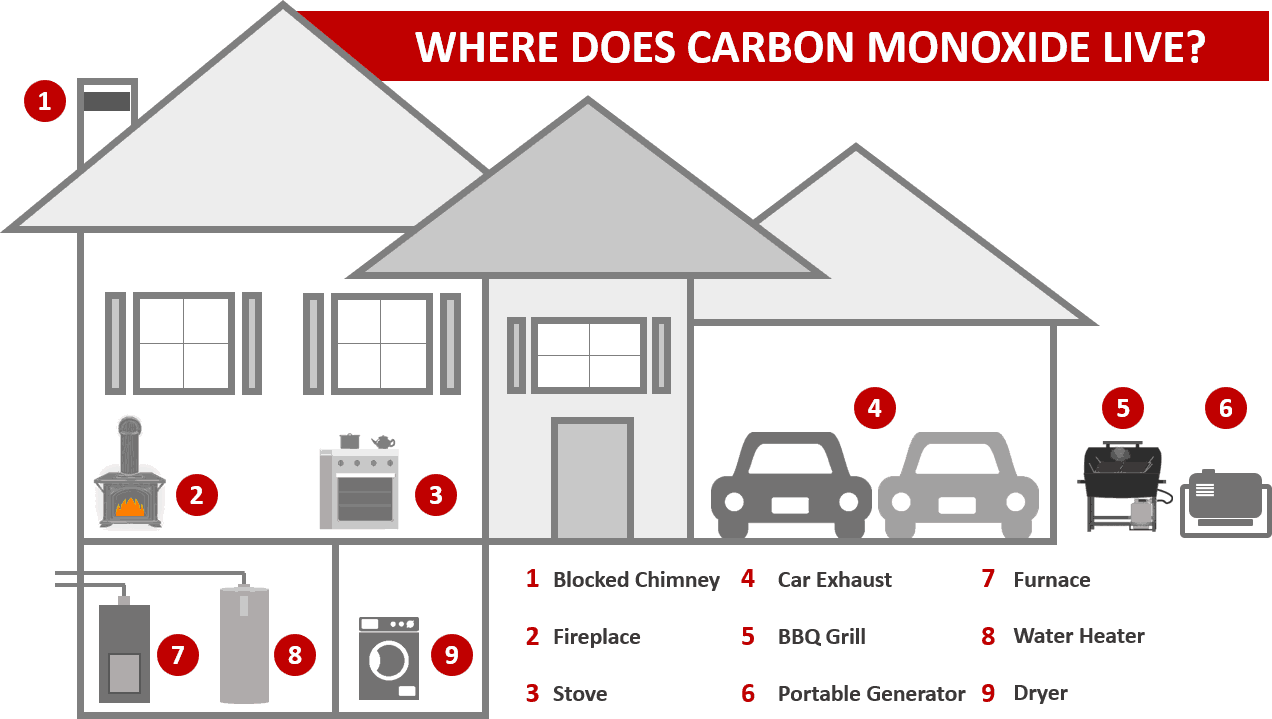
This is why having your chimney professionally cleaned and inspected is so important. It ensures that the smoke and any potential CO have a clear, unimpeded journey upwards, keeping your hearth a place of pure comfort and joy, not a source of unseen gas.
The Laundry Day Lifesaver: Your Gas Clothes Dryer
Doing laundry isn't always the most glamorous task, but your gas clothes dryer makes it wonderfully efficient. Soft, warm clothes straight from the machine? Pure bliss! This appliance works hard to make our lives easier, turning damp piles into perfectly fluffed garments.
Just like other gas appliances, dryers need proper ventilation. They generate exhaust gases that need to be sent safely outside. The most common culprit here? A clogged lint trap or a kinked/blocked exhaust vent. Lint can build up not just in the visible trap, but deep within the dryer duct, becoming a fluffy barricade.
When the vent is blocked, the dryer struggles, heats up more, and can't properly push out its exhaust. This can lead to a build-up of CO inside your home. So, cleaning that lint trap after every load and occasionally checking the dryer vent duct is a small act of household heroism that keeps your laundry day safe and your clothes perfectly dry.
Outdoor Enthusiasts Who Wander Inside
Sometimes, our CO secret agent comes from sources that are designed for the great outdoors, but accidentally find their way inside. These are not "indoor appliances" at all, but rather things that, through misunderstanding or mishap, can bring their exhaust gases into our living spaces.
The Party Animal: Your BBQ Grill
Who doesn't love a good backyard barbecue? The sizzle of burgers, the smell of charcoal, the laughter of friends and family – a BBQ grill is the epitome of outdoor fun! It brings people together and makes delicious food under the open sky. However, its very nature means it's a dedicated outdoor-only appliance.

Burning charcoal or propane produces significant amounts of CO, which dissipates harmlessly in the open air. But if someone brings that grill indoors, perhaps into a garage with the door closed, even for a moment to "finish cooking" or "keep warm," it becomes incredibly dangerous. The confined space quickly fills with the invisible gas.
So, let your grill be the life of the outdoor party, where it belongs! It thrives in the open air, and so does your family. Keep those barbecue memories joyous and fresh-air filled.
The Daily Commuter: Your Car in the Garage
Our cars are indispensable, aren’t they? They whisk us to work, shuttle kids to school, and take us on exciting adventures. When they're home, they often rest quietly in the attached garage. It's a convenient spot, keeping them safe from the elements.
However, running a car, even for a short time, in an attached garage with the door closed is a big no-no. A car's exhaust contains CO, and that gas can easily seep into your home through open doors, cracks, or even ventilation systems. It's a quick and silent invasion.
So, when you start the car, always open that garage door and let the fresh air flow through. Treat your car like an outdoor machine, even when it’s under cover. It’s a simple habit that protects everyone inside your home.
The Power Outage Pal: Portable Generators
When the power goes out, a portable generator can feel like a true superhero, bringing light, refrigeration, and comfort back to your home. It’s a temporary savior, a beacon of hope in the dark. These machines are incredibly useful in emergencies, making life bearable when the grid goes down.

But like our other outdoor champions, generators are designed to run exclusively outdoors. They produce a lot of exhaust, packed with CO, and must be placed far away from windows, doors, and vents that could allow the gas to drift inside. Even a seemingly "open" garage can be dangerous.
Imagine giving your generator its own little "safety zone" at least 20 feet away from your home, always aimed away from living spaces. This ensures that while it’s busy making power, its exhaust safely disperses into the vast outdoor air, keeping your temporary hero from becoming a silent hazard.
The Good News: Our Home's Guardians
Now for the truly heartwarming part! We have wonderful guardians in our homes: Carbon Monoxide detectors. These little devices are like tiny, vigilant superheroes, standing guard silently, ready to alert you if our secret agent CO ever tries to make an unwelcome appearance.
Placing these detectors near sleeping areas and on every level of your home is like giving them their own patrol routes. They’ll chirp loudly if they detect dangerous levels of CO, giving you and your family precious time to get to fresh air and address the issue.
Beyond the detectors, regular maintenance for all your combustion appliances is like giving them a loving annual check-up. A professional eye can spot wear and tear, clear blockages, and ensure everything is running efficiently and safely. It's an investment in peace of mind and the well-being of everyone in your home.
Love Your Home, Love Its Air
So, where does carbon monoxide come from in your home? It’s not from a villain, but often from the everyday heroes of comfort and convenience that just need a little attention and respect for their proper function. Knowing these sources isn't about being scared; it's about being informed and empowered.
It's about making sure your home remains the warm, safe, and happy sanctuary it’s meant to be. By understanding how our appliances work, maintaining them with care, and trusting our superhero CO detectors, we ensure that the air we breathe is always clean and pure, keeping our homes truly sweet.