Where Do I Put A Carbon Monoxide Alarm

Alright, let's talk about something super important, but usually, nobody wants to. We're diving into the thrilling world of carbon monoxide alarms! Yeah, I know, snooze fest, right? Wrong! This little gadget is a silent hero, and figuring out its prime real estate in your home is actually kinda fun, like a low-stakes scavenger hunt with a life-saving prize.
First off, let's get one thing straight: carbon monoxide (CO) is the ultimate ninja. It's invisible, odorless, and tasteless. You won't see it creeping, you won't smell it lurking, and you certainly won't taste it trying to, well, ruin your day. That's why this small but mighty alarm is your home's personal bodyguard against this sneaky gas. So, where do you put this unsung champion?
Near the Snooze Zones!
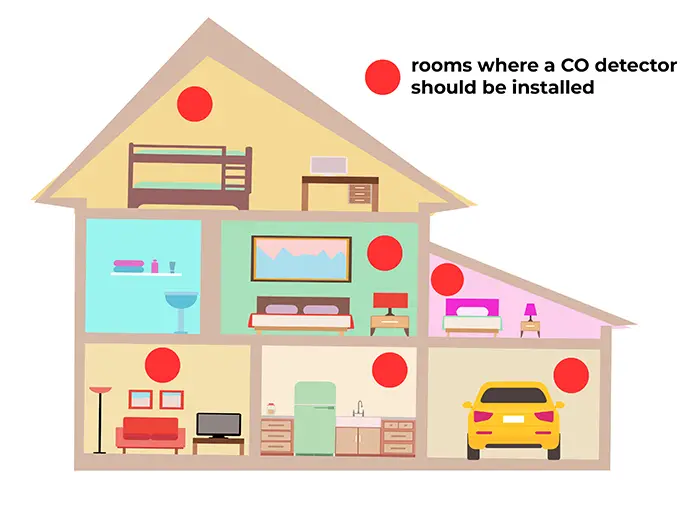
Top priority, absolute non-negotiable, first stop on our CO alarm placement tour: near bedrooms or sleeping areas. Think about it. When you're dreaming of unicorns or perfecting your superhero stance, you're not exactly alert to danger. CO poisoning symptoms can sneak up on you, feeling a bit like the flu at first. You're most vulnerable when you're unconscious. So, having an alarm blaring its urgent "BEEP-BEEP-BEEP!" just outside your bedroom door is like having a tiny, loud guardian angel. It gives you a fighting chance to wake up and get out.
Must Read
Some folks even recommend one inside the bedroom if it’s a particularly large room or if someone sleeps with the door closed. Basically, the closer to your precious dreaming head, the better. You want that alarm to be the most annoying, yet most welcome, sound you've ever heard.
Every Floor, Every Level!
Don't be a one-and-done wonder! CO isn't a gas that politely stays on one floor. It's a gas, it mixes with air, and it goes where the air currents take it. It doesn't magically float to the ceiling like hot air, nor does it sink to the floor like a forgotten toy. It’s an equal-opportunity invader. So, if you live in a multi-story home, guess what? You need an alarm on every single level. Yes, even the basement. Especially the basement, actually, since many furnaces and water heaters live down there.
Think of it as setting up a defensive perimeter. Each floor gets its own watchman. It’s like equipping your house with multiple ears, ready to perk up at the first whisper of danger. Safety in numbers, right?
Near the Gas-Guzzlers (but not too close!)
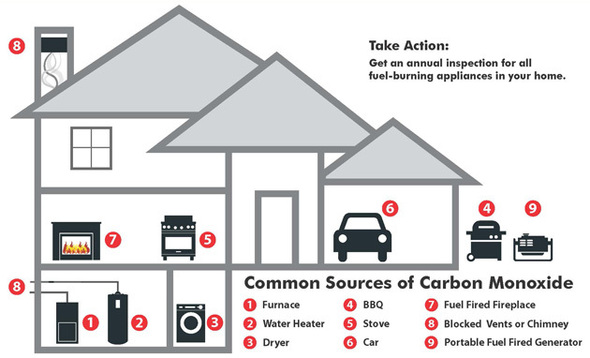
Okay, this one's a bit like a trust exercise. You want to place your alarm near potential CO sources, but not directly on top of them. We're talking about appliances that burn fuel: your furnace, gas water heater, fireplace, or even a gas stove. These are the usual suspects for CO leaks.
The trick? Place the alarm within 5 to 20 feet of these appliances. Not right next to the exhaust pipe, where it might get a false reading from a normal, safe combustion process. That would be like putting a smoke detector inside your toaster – just asking for trouble. You want it far enough to accurately detect a problem if one arises, but close enough to catch it early. It’s a delicate dance, a spatial ballet, if you will.
The "No-Go" Zones: Where Not to Bother!
Just as important as where to put them is where not to. Let's make a quick list of places your CO alarm would rather not be:
- Right next to a window or exterior door: Drafts can mess with readings. It’s like trying to listen to a secret conversation in a wind tunnel.
- In direct sunlight: The sun's rays can damage the sensor or cause false alarms. These alarms prefer a nice, shady spot.
- In high-humidity areas like bathrooms: Steam and moisture are not friends with electronic sensors.
- Near vents, fans, or air returns: Again, air currents can dilute or redirect CO, giving you an inaccurate reading.
- Behind curtains or furniture: Blocking the alarm means it can’t detect CO effectively, and you might not hear it. It needs clear access to the air!
Carbon Monoxide Detector Placement: A Helpful Illustrated Guide - Where it might get knocked or wet: Obvious, but worth saying!
The Great Height Debate: High or Low?
This is where the debate gets spicy! Some folks swear CO goes up, others down. The truth is a bit more nuanced and, frankly, less dramatic. Carbon monoxide, once it leaves its source, mixes fairly evenly with the air. It's not a hot air balloon, nor is it a lead weight.
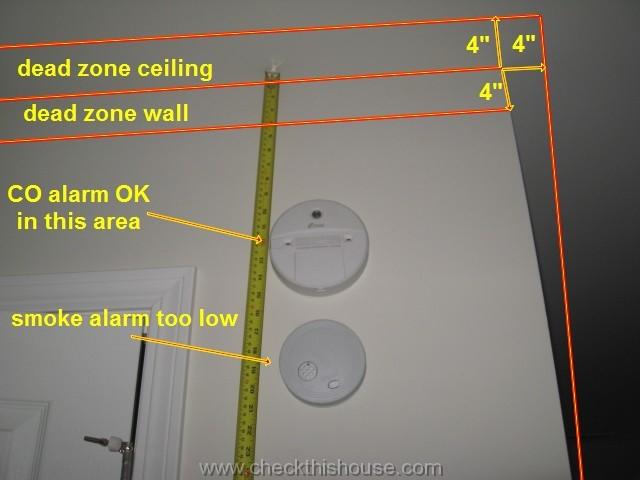
Most manufacturers recommend placing alarms at knee height to eye level, generally within 5 feet of the floor. Some say lower for detecting it near sleeping children. The key is that it's in the breathable zone. So, don't overthink it too much. Just make sure it's not tucked away in a dusty corner where it can't do its job or be heard.
So there you have it! Who knew placing a carbon monoxide alarm could be so engaging? It's not just about slapping it on a wall; it's about strategic placement for optimal safety. Now go forth, check those alarms (and their expiration dates – yes, they expire!), and give your home the silent protection it deserves. Your lungs (and your dreams) will thank you!