Where Do I Place Carbon Monoxide Detectors
Ah, the humble carbon monoxide detector! While it might not be as glamorous as a freshly painted accent wall or as exciting as a new smart gadget that whips up artisanal oat milk, this often-overlooked hero holds a place of supreme importance in creating a truly safe and comfortable home. Think of it less as a chore and more as an essential ingredient in your home's recipe for tranquility. Just as a potter needs a sturdy wheel to craft beauty, or a coder needs a reliable internet connection to build worlds, every homeowner, hobbyist, and casual dweller needs the peace of mind that comes from proper carbon monoxide detection. It’s about building a foundation of safety so you can focus on what you love – be it painting, gaming, gardening, or simply enjoying a good book.
So, why should this seemingly mundane topic spark inspiration? Because understanding where to place carbon monoxide detectors empowers you! For the diligent artist creating masterpieces in their studio, the enthusiastic hobbyist tinkering in their garage, or the busy parent wrangling kids and managing a household, this knowledge offers an invaluable benefit: uninterrupted safety. Knowing your home is protected from this silent, odorless killer allows you to dive into your passions without a nagging worry. It’s an easy, accessible way to elevate your home safety strategy, turning a potential hazard into a non-issue and freeing up mental space for genuine creativity and relaxation.
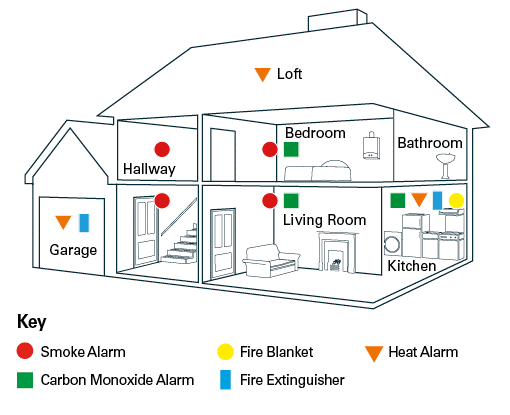
Let's demystify the art of detector placement. It's not about throwing darts at a wall; it's about strategic positioning. Generally, you’ll want a detector on every level of your home, including the basement. For instance, consider placing one near or within each sleeping area – because if CO strikes, you need an alarm to rouse you. Another prime spot is a detector in the hallway leading to bedrooms. If you have an attached garage, a detector near the entryway from the garage into your home is crucial, as vehicle exhaust can be a common source. For homes with fuel-burning appliances like a furnace, water heater, or fireplace, place a detector within 10-20 feet of the appliance, but not right next to it, to avoid false alarms from normal operation. Avoid "dead air" spaces like the peak of a vaulted ceiling, or directly next to windows, doors, or vents where drafts might interfere with detection.
Must Read
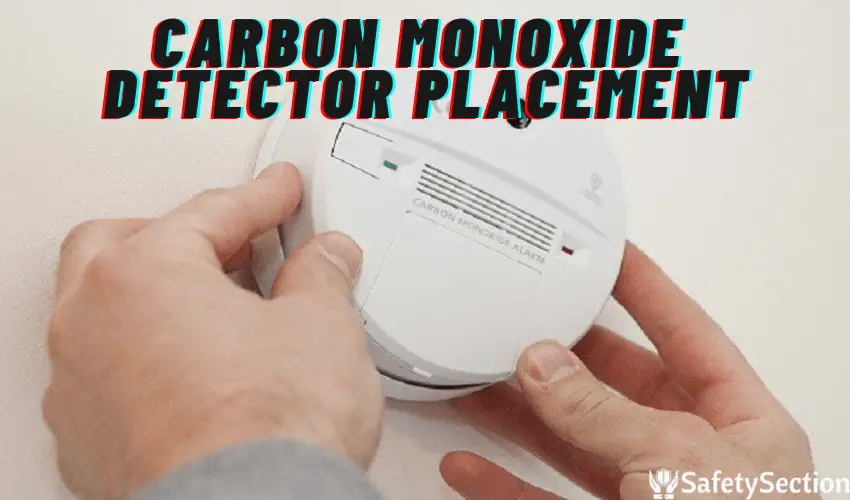
Ready to empower your home with this vital protection? It’s wonderfully straightforward! First, always read the manufacturer's instructions – they are your best guide. Most detectors should be mounted on a wall or ceiling. For wall placement, usually at eye-level or higher, but at least 6 inches from the ceiling is recommended. Ceiling placement ensures good air circulation for detection. When installing, remember that many detectors are battery-powered, making them super easy to install without an electrician. Simply mount, insert batteries, and test! Test your detectors monthly by pressing the test button, and remember to replace batteries annually (unless it's a sealed 10-year unit). Carbon monoxide detectors themselves also have an expiration date, typically 5-7 years, so mark your calendar to replace the entire unit when it's time.
Ultimately, getting your carbon monoxide detector placement just right isn't just about following rules; it's about embracing a more secure and joyful way of living. There's a profound sense of satisfaction in knowing you've taken a proactive step to safeguard your loved ones, your pets, and all the precious moments shared within your walls. It’s a quiet act of love, an invisible shield that allows laughter to echo, creativity to flourish, and dreams to be pursued, all in the safety of a well-protected home. That's truly something to feel good about!