
Where Do I Place A Carbon Monoxide Detector
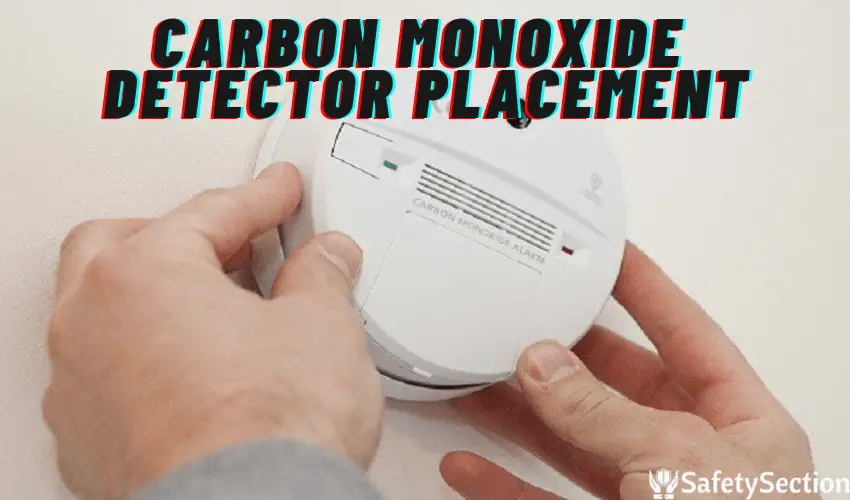
Hey there! Ever looked at that little gadget on your wall or tucked away somewhere and thought, "What is that thing, and am I even doing this right?" We're talking about your carbon monoxide detector – that unsung hero silently standing guard in your home. It's one of those things you hope you never need, but are incredibly grateful for if you do. And honestly, placing it correctly isn't rocket science, but there are a few sweet spots that make all the difference.
Think of carbon monoxide (CO) like that super stealthy friend who shows up without an invitation, makes themselves comfortable, and you don't even know they're there until it's too late. It’s invisible, odorless, and tasteless – the ultimate sneaky ninja. That’s why your detector is basically your home’s personal superpower, sniffing out trouble before it becomes a problem. So, let’s make sure your superhero is in the best position to save the day!
First Things First: Where Not To Put It (The "Oops" Spots)
Before we dive into the best places, let's clear up some common rookie mistakes. You wouldn't put your TV remote in the fridge, right? Same logic applies here:
Must Read
-
Too Close to Fuel-Burning Appliances: Popping it right next to your furnace or water heater might seem smart, but they can emit small, harmless amounts of CO during start-up. This can lead to annoying false alarms, like a drama queen yelling "Fire!" every time you light a match. Give these appliances at least a 15-foot buffer, if possible. Your ears will thank you!
-
In Direct Sunlight or Near Heat Sources: Imagine trying to work in a sauna. Your detector feels the same way! Extreme temperatures can mess with its sensors. Keep it away from windows where the sun bakes it, or directly above radiators and heat vents. It prefers a nice, stable climate, just like us.
-
Near Vents, Doors, or Fans: These create air currents that can mess with the CO reaching the sensor. It’s like trying to listen to a whisper in a wind tunnel – the detector won't get a clear read. Keep it clear of drafts from windows, doors, and exhaust fans.
-
In Garages or Basements (unless specifically designed for it): While garages are a source of CO, standard detectors might struggle with the dust, humidity, and temperature fluctuations. Check your detector’s manual if you really want one there. For basements, if it’s a living space, absolutely yes. If it’s just for storage and utilities, you still want one nearby, but maybe not right next to the furnace if it’s an unfinished, drafty space.

Carbon Monoxide Detector Placement Guide - The Tech Edvocate -
In The Kitchen: Unless it's a specific kitchen-safe model, avoid placing it too close to cooking appliances. The fumes from cooking (even burnt toast, we’ve all been there!) can trigger false alarms. Your smoke alarm already handles the toast police, let your CO detector focus on the serious stuff.
The Goldilocks Zones: Where To Place Your CO Detector For Just Right Protection
Alright, now for the sweet spots! Think of your home in zones, and your detector as a vigilant guard for each one.
1. Near Sleeping Areas: Your Sleepy Bodyguard
This is probably the most important spot. CO is especially dangerous while you’re asleep because you won’t notice the symptoms (headache, dizziness, nausea) that typically alert you. Placing a detector outside each separate sleeping area (like in the hallway leading to bedrooms) is crucial. It’s like having a little alarm clock that wakes you up for real danger, not just for work on Monday.
Ideally, you'd even have one inside each bedroom, especially if someone sleeps with the door closed. Think of it as an extra layer of cozy security!

2. On Every Level of Your Home: No Floor Left Behind!
CO mixes pretty evenly with air, but it’s still smart to have coverage throughout your entire home. The general rule of thumb is to install at least one CO detector on every level of your home. If you have a two-story house, you need one on the first floor and one on the second. If you have a finished basement, that counts as a level too!
This ensures that no matter where CO might start to accumulate, there’s a vigilant sniff-tester nearby. Imagine a little security guard patrolling all floors – that’s your detector!
3. Near Attached Garages: The Car's Silent Fumes
If you have an attached garage, this is another hot spot for potential CO. Even briefly starting a car in the garage can release CO into your home. Place a detector near the door connecting your garage to your living space. It's like having a bouncer checking IDs before any unwanted elements can enter the party.
4. Near Fuel-Burning Appliances: A Watchful Eye on the "Giants"
While we said not right next to them, it's a good idea to have a detector in the general vicinity of major fuel-burning appliances like your furnace, water heater, or fireplace. Just remember that 15-foot buffer we talked about! It's like having a supervisor keep an eye on the big machinery without breathing down its neck.

Wall or Ceiling? And How High?
This is where things can get a tiny bit confusing, but don't sweat it!
-
Wall Placement: Many manufacturers recommend placing detectors on a wall about 5 feet from the floor (roughly eye-level). This is because CO tends to mix with the air, and at this height, it’s in a good position to detect it while also being easily visible for testing and maintenance.
-
Ceiling Placement: Some models can also be placed on the ceiling, but again, check your specific model’s instructions. The key is that CO mixes readily with air, so whether it's high or low isn't as critical as with smoke detectors (where smoke rises).
The most important rule here is to always consult your specific detector's user manual. Different brands and models might have slightly different recommendations based on their sensor technology. That little booklet isn't just for recycling – it's full of wisdom!
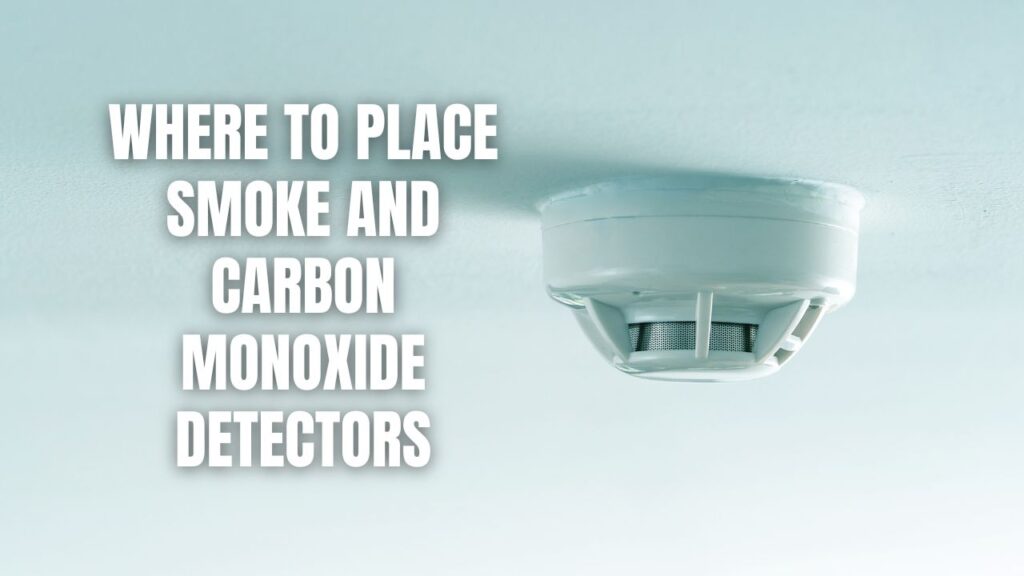
A Few More Friendly Reminders
-
Test It Regularly: Most detectors have a "test" button. Give it a gentle press once a month to make sure it’s still singing its song. It’s like giving your superhero a quick check-up!
-
Change Batteries: If it’s battery-powered, swap those batteries out at least once a year, or when it starts chirping like a grumpy bird. Most will chirp when their battery is low.
-
Know Its Lifespan: CO detectors don’t last forever. Most have a lifespan of 5-7 years, after which their sensors become less reliable. There’s usually an expiration date on the back. Mark it on your calendar and replace it when it's time!
Placing your carbon monoxide detector properly is such a small effort for such a big payoff in peace of mind. It’s a simple step that helps keep your cozy home safe and sound for everyone in it. So go ahead, give those detectors a good home, and breathe easy!