
Where Are Smoke Detectors Required In A House
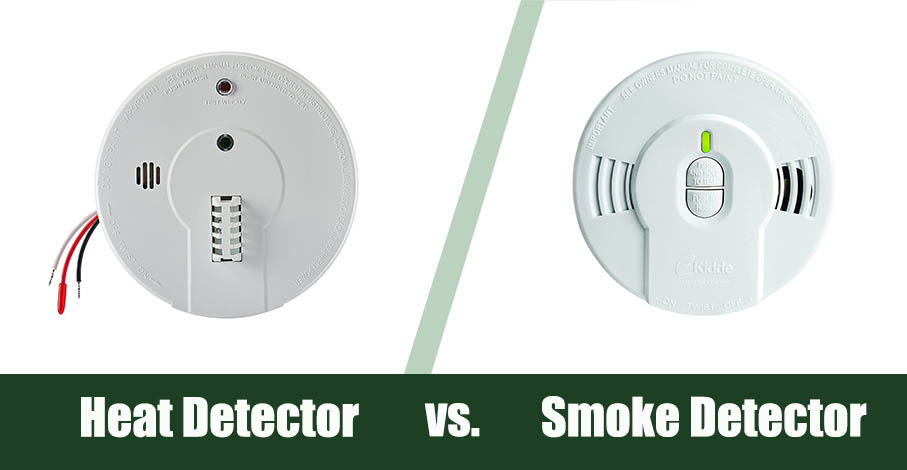
Alright, settle in, grab your coffee, because we're diving into one of life's great mysteries: the smoke detector. You know, that plastic disc on your ceiling that shrieks precisely when you're making toast? It's often the unsung hero of home safety. But beyond dramatic interruptions, do you actually know where these guardians are supposed to live? It's not just "somewhere on the ceiling." Oh no, there's a method to this madness!
The Golden Rules: Sleep Areas & Every Level
Let's start with the absolute, non-negotiable essentials of smoke detector placement. These are the spots where codes, common sense, and your desire not to become toast, demand a detector.
First up: Every single sleeping area. Your bedroom, kid's room, guest room – if it’s for z's, it needs a smoke detector. Why? You're most vulnerable when asleep. Smoke is sneaky, silent, and won't wait for your alarm.
Must Read
Next, one is needed outside of every separate sleeping area or bedroom cluster. Think the hallway just outside bedrooms. This acts as an early warning, catching smoke before it gets too close to sleepers. It’s like a tiny, vigilant bouncer for your dreams.
And finally: On every single level of your home, including the basement. Even if your basement just holds laundry and spiders, it needs a detector. A fire starting downstairs can quickly engulf your home. Note: this typically excludes crawl spaces or unfinished attics, unless local code specifies.
The "Tricky" Spots to Avoid
Now, let's talk about where people often go wrong, leading to "false alarms" that make you want to rip the thing off the ceiling (please don't, it's important!).
The Kitchen Conundrum: Ah, the kitchen. Source of joy, and occasionally, too much smoke. Your smoke detector needs to be near the kitchen, but definitely not directly in it or above the stove. At least 10 feet away from cooking appliances is the general rule. Otherwise, burning popcorn means an unscheduled air raid siren. We want fire detection, not commentary on your cooking!

Similarly, keep them away from bathrooms with showers. Steam will set it off faster than "alarm." Also avoid garages, where car exhaust and fumes trigger them, and steer clear of windows, doors, or air vents, as drafts prevent smoke from reaching the detector properly.
The Smart Stuff: Interconnectedness & CO
Here's where things get really clever: many modern homes require interconnected smoke detectors. If one goes off, every other smoke detector in the house starts screaming too. It's a synchronized symphony of safety! This gives you precious extra seconds to escape.
For silent killers, a quick word about carbon monoxide (CO) detectors. These aren't smoke detectors – CO is an invisible, odorless gas – but they’re equally vital. Many modern units are now combination smoke and CO detectors, super convenient. While CO detectors have specific placement rules (usually near sleeping areas and on every level), a combo unit tackles two critical safety concerns.
Final Thoughts & A Friendly Nudge
So, there you have it! The life of smoke detectors. They're required in every sleeping area, outside every sleeping area, and on every level of your home, including the basement. Keep them away from kitchens (but nearby!), bathrooms, and drafts. For maximum peace of mind, make sure they're interconnected and consider those smart combo smoke/CO units.
This isn't just about rules; it's about protecting loved ones and your home. Next time you hear that chirping sound ("change my battery, you procrastinator!"), remember that little disc is more than a nuisance. It's a vigilant guardian. Check your local codes (they can vary!), and make sure your home is properly equipped. Stay safe, stay smoky-toast-free, and enjoy that coffee!
