Whenever A Creature You Control Attacks
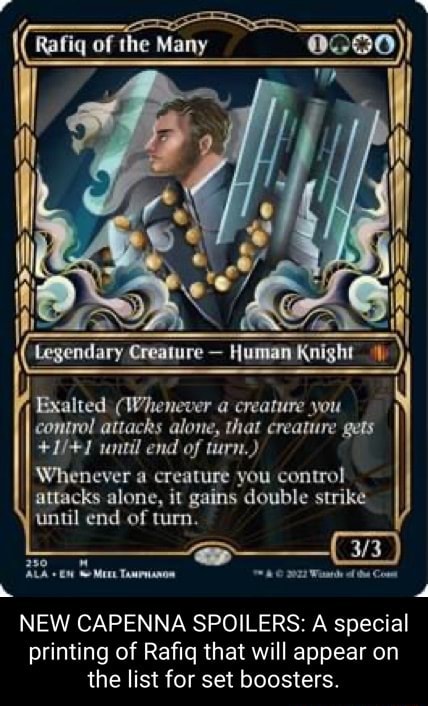
Ever stumbled upon a concept that seemed niche, but then realized it pops up everywhere in slightly disguised forms? That's how I felt when I started thinking about the phrase: "Whenever a creature you control attacks." It might sound like something ripped straight from a fantasy game, and you wouldn't be wrong! But the core idea behind it – triggering actions based on initiating something – is surprisingly relevant to everyday life and learning.
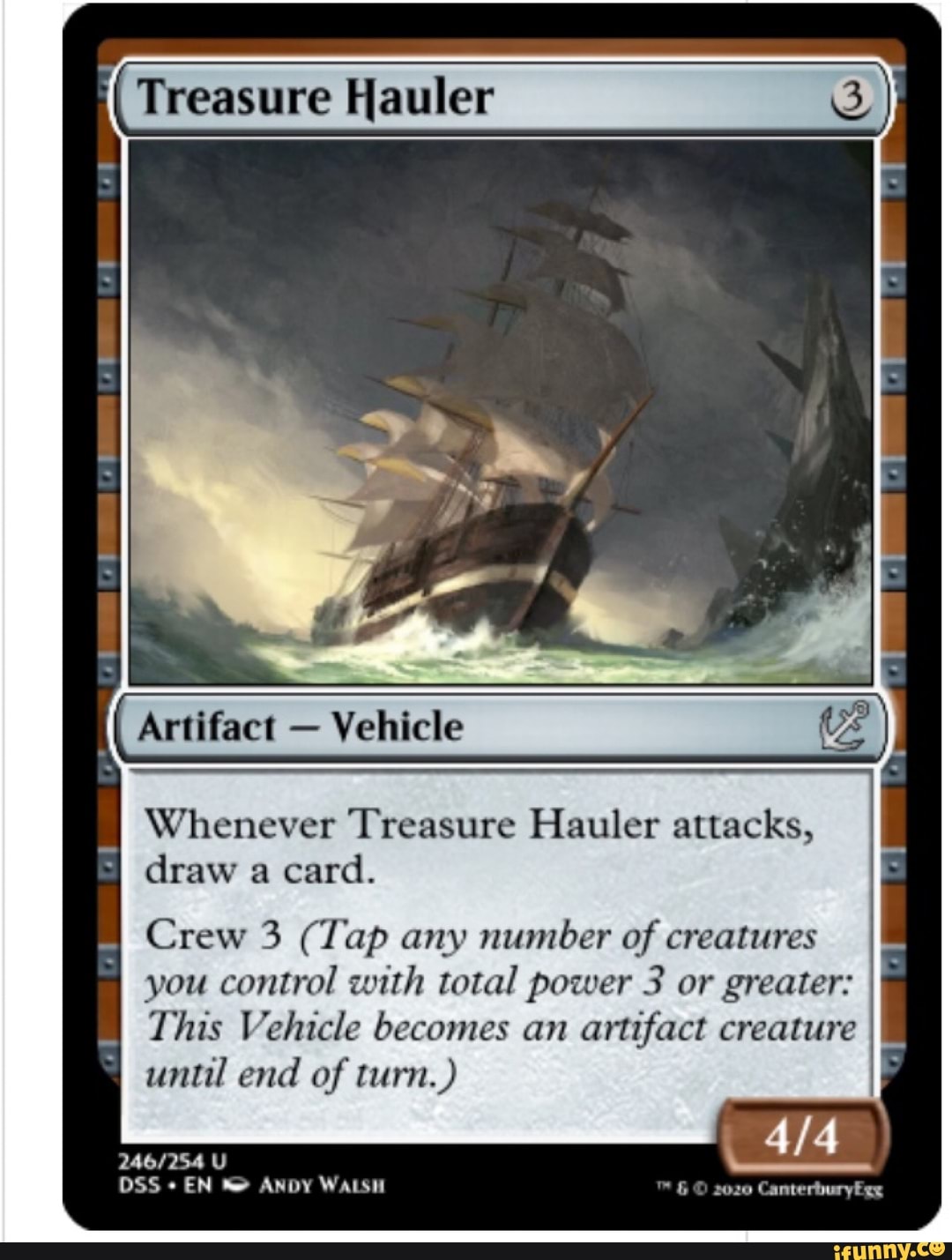
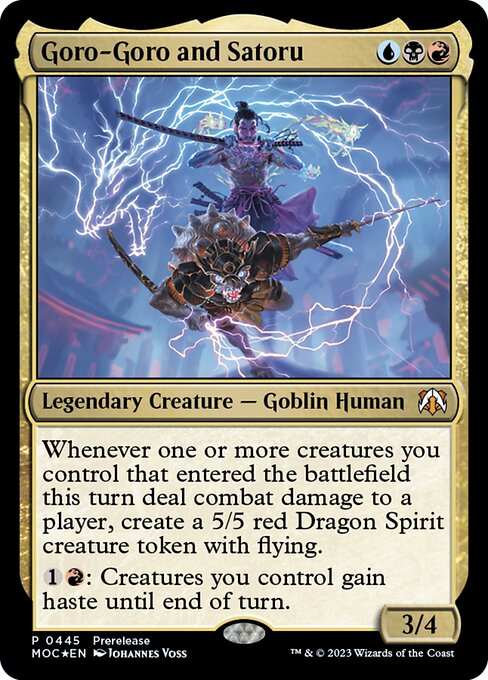
At its heart, "Whenever a creature you control attacks" represents a conditional trigger. It's a rule that says, "When this very specific action happens (an attack), something else automatically happens as a result." In the context of a game, this could mean gaining extra strength, drawing a card, or even damaging an opponent. The benefit is clear: it introduces a layer of strategy and dynamism. You're not just going through the motions; you're creating chains of events and maximizing your actions.
But how does this apply outside a game? Think about it. When you consistently study (your "creature" making an "attack" on knowledge gaps), you see your grades improve (the triggered effect). Or, consider a loyalty program. "Whenever you make a purchase" (your creature attacks the store's inventory), "you earn points" (the triggered benefit). Even something as simple as planting a garden uses this principle. "Whenever a seed is watered" (attacked by water), "it sprouts" (the triggered growth). We constantly design systems, consciously or unconsciously, that operate on this fundamental principle.
Must Read
In education, teachers can use this concept to create more engaging learning experiences. For instance, a teacher might say, "Whenever you correctly answer a question on the quiz (attacking the quiz), you get a bonus point (the triggered reward)." This reinforces positive behavior and makes learning more fun. For daily life, consider habit stacking. James Clear, in his book Atomic Habits, advocates for pairing a new habit with an existing one. "Whenever I brush my teeth" (a pre-existing action), "I will do 10 push-ups" (the newly triggered habit). This helps build routines more effectively.

So, how can you explore this idea further? Start by identifying conditional triggers in your own life. What automatic responses do you have to certain situations? Then, consider how you can deliberately design these triggers to achieve your goals. Want to exercise more? Set a reminder on your phone to go for a walk "whenever you finish work." Want to learn a new language? Commit to spending 15 minutes on Duolingo "whenever you have your morning coffee."
The power of "Whenever a creature you control attacks" lies in its simplicity and adaptability. It's a framework for understanding cause and effect, for building habits, and for creating systems that work in your favor. It's more than just a game mechanic; it's a powerful tool for personal growth and achievement, hidden in plain sight.