When Was The Last Oil Refinery Built In The Us
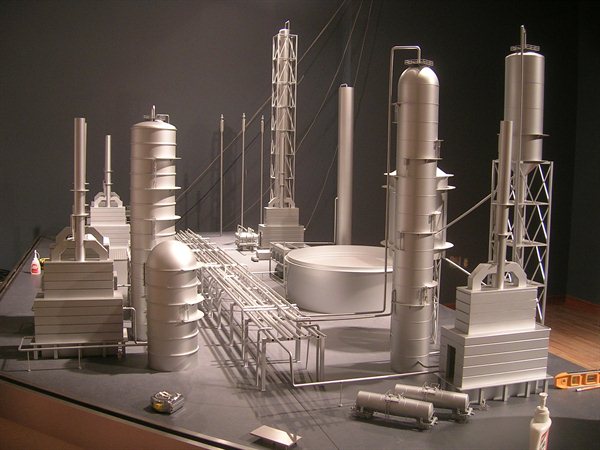
Have you ever paused to consider the colossal structures that power our modern world? We rely on them daily, yet they often blend into the background of our bustling lives. Think about the sprawling, intricate architecture of an oil refinery – a true marvel of engineering and human ingenuity. It's not just about fuel; it's about a fascinating intersection of history, economy, and progress. And if you've ever wondered, "When was the last time such a titanic undertaking was built from scratch in the U.S.?" you're tapping into a surprisingly engaging piece of American history!
Exploring this question offers a unique blend of benefits for everyone. For the casual learner, it's a delightful dive into a pivotal moment in our nation's industrial narrative, offering context to today's energy landscape. For the history buff, it's a specific timestamp in the evolution of American manufacturing and policy. And for the more creatively inclined – artists and hobbyists alike – it can spark inspiration in unexpected ways. Imagine the grandeur of these industrial titans, the stories they hold, and the era they represent.
So, let's unveil the answer: The last major, entirely new oil refinery built from the ground up in the United States was the Marathon Petroleum refinery in Garyville, Louisiana, which officially opened its doors in 1976. This completion marked the end of an era, largely influenced by the energy crises of the 1970s and subsequent shifts in environmental regulations and economic priorities. While existing refineries have undergone massive expansions and modernizations since then, a completely new, greenfield facility like Garyville hasn't been replicated.
Must Read
This historical nugget can inspire in various ways. Imagine a painter capturing the stark beauty of industrial landscapes, much like artists of the Precisionism movement, drawing from the powerful lines and monumental scale of such structures. Photographers might explore the contrast between natural settings and industrial might. Hobbyists interested in urban planning or industrial modeling could use this historical context to create realistic dioramas or research projects about American infrastructure. Even writers might find inspiration for historical fiction or essays exploring the societal impact of energy independence and environmental awareness during that tumultuous decade.
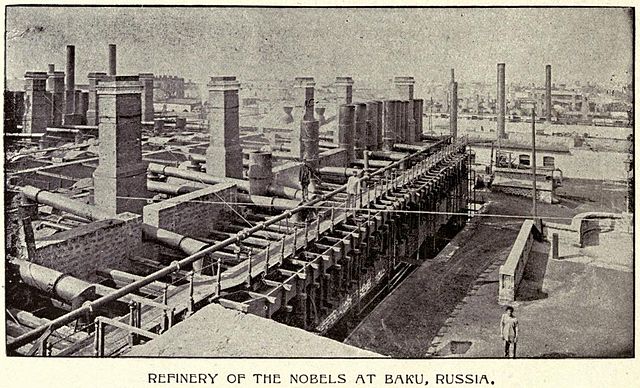
Ready to try exploring this fascinating corner of history at home? It's easier than you think! Start by looking up images and historical accounts of the Garyville refinery's construction. You might be amazed by the sheer scale of the project. Then, expand your research to the energy climate of the 1970s – understanding the context makes the "why" even more compelling. Consider sketching or journaling about what you learn, or even trying your hand at building a model of an industrial facility from that era. You could also explore virtual tours of modern refineries to appreciate the technological advancements since 1976.
The joy in learning about "when was the last oil refinery built" isn't just about a date; it's about appreciating the hidden giants that literally fuel our world. It’s about understanding the ebb and flow of progress, the impact of economic and environmental shifts, and the enduring human capacity for incredible engineering feats. So next time you see a refinery, give a little nod to Garyville, Louisiana, and the last time a whole new industrial titan rose from American soil!