
When Do English Labs Stop Growing

So, you've got an English Lab puppy, huh? Congrats! Prepare for a whirlwind of wet noses, wagging tails, and the constant shedding of what feels like entire other dogs. But hey, they're worth it, right? The big question looming in every new Lab owner's mind, though, is: when will this adorable land shark stop growing?!
Let's dive in, shall we? Because the answer, like most things in life, isn't a simple yes or no.
The Great Growth Spurt: Think Puppyhood!
Okay, first things first. The biggest growth happens in the first year. Like, seriously, these guys go from tiny, stumbling fluffballs to relatively large, slightly less stumbling fluffballs in a shockingly short amount of time. It's like they're powered by some kind of super-secret puppy fuel (probably made of kibble and mischief).
Must Read
Expect a lot of growth, especially in the first 6-8 months. You'll be buying new collars faster than you can say "fetch!" Don't even bother with fancy dog beds at this stage, they'll just outgrow them…or chew them. Probably both. We've all been there!
Think of it as the puppy equivalent of a teenager's awkward growth spurt. Except, instead of complaining about their voice changing, they'll be loudly chewing on your favorite shoes. Progress, right?

The Slowdown: Around the One-Year Mark
Around a year old, you'll start to notice the frantic growth slowing down. They're not going to magically stop growing overnight, mind you. But the pace definitely changes. It's like they've hit the brakes on that super-puppy fuel. Or maybe they just discovered the joy of napping in sunbeams. Who are we to judge?
This is when they start filling out more. The gangly legs become a little more proportionate to the rest of their body. The puppy fat starts to (slowly) transform into muscle. They're basically transitioning from a goofy teenager to a young adult. A young adult who still really, really likes chasing squirrels, obviously.
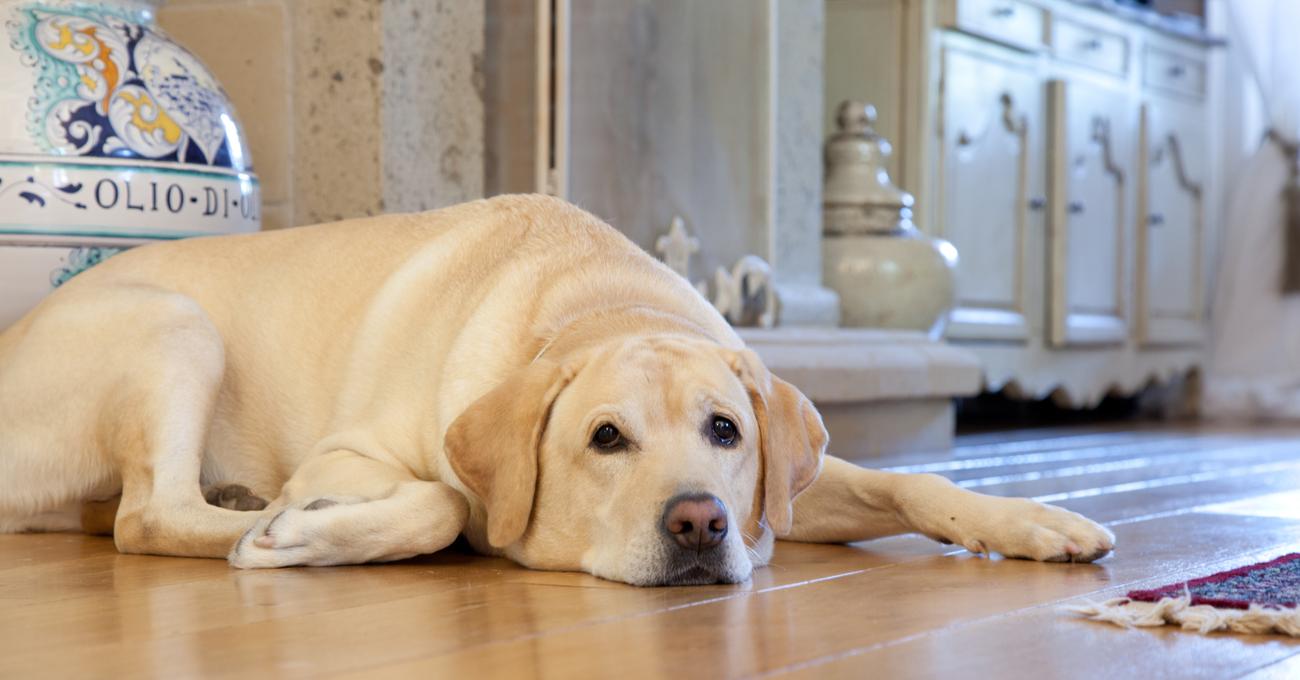
So, physically, expect a gradual increase in weight and muscle mass between one and two years old. Think of it as their "adulting" phase, but with more tail wags and less existential angst (probably).
Full Bloom: Two to Three Years
By the time your Lab hits two or three years old, they're pretty much at their full size. Yay! You can (probably) stop buying new collars every other month. They've reached their final form! Or at least, close enough.
Now, this doesn't mean they won't gain weight. Oh no, my friend. Labs are notorious for their love of food. "Vacuum cleaner with legs" is a pretty accurate description. So, portion control is your best friend. Unless you want a Lab shaped like a furry football. Which, let's be honest, is still pretty darn cute, but maybe not the healthiest option.
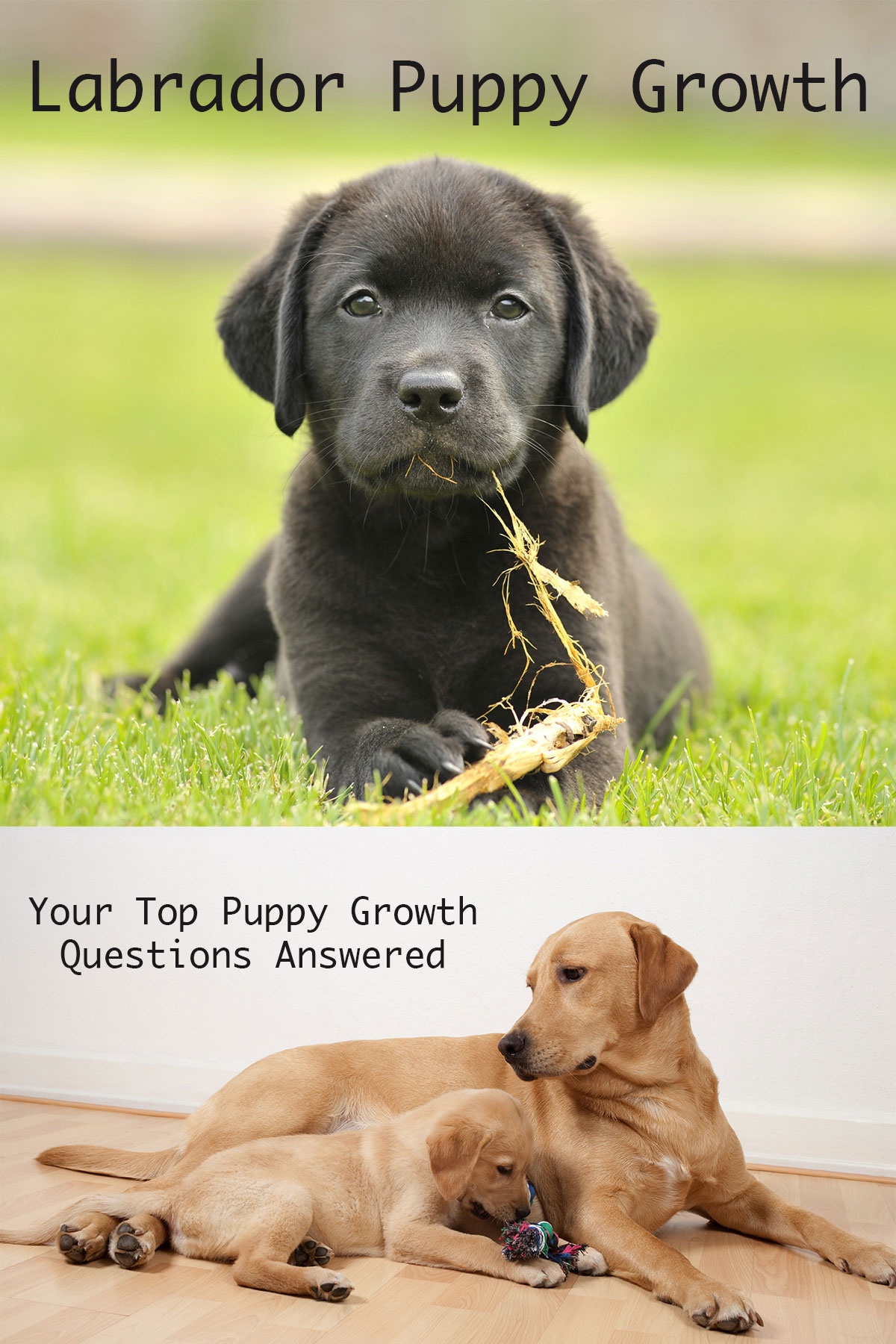
Keep an eye on their weight and adjust their food accordingly. Regular exercise is crucial too! Think of it as maintaining their "Lab-solute" physique. (Sorry, I had to.)
Are There Exceptions? Of Course!
Every dog is an individual. Some Labs might finish growing a little earlier, some a little later. Genetics, nutrition, and even exercise levels can play a role. If you're concerned about your Lab's growth, your vet is always the best resource. They can give you personalized advice based on your dog's specific needs.

And just to throw another wrench in the works, females might mature slightly faster than males. Just like in humans, right?
Ultimately, enjoying the journey is key. Those puppy years fly by, even if it feels like you're constantly cleaning up accidents and refereeing playtime squabbles. Before you know it, you'll have a fully grown Lab snuggled up on the couch next to you. Just try not to trip over them, okay?
So, take lots of pictures, cherish the goofy moments, and remember that even though they’ll eventually stop growing up, they'll always have a special place in your heart, no matter their size. Because, let’s face it, they've already grown their way into your heart, haven't they?