When Did Electricity Become Commonplace
Okay, picture this: You’re snuggled up on the couch, maybe doom-scrolling (no judgment!), phone charger plugged in, laptop humming, lights on, fridge chilling your snacks, Netflix streaming your current obsession. Then, poof. Power out. For five minutes. And suddenly, you're wondering how anyone ever survived. Total chaos, right? It's a tiny glimpse into a world that, not so long ago, was the absolute norm. It really makes you stop and think: when did all this magic, this invisible river of energy we call electricity, actually become, well, commonplace?
It’s not as simple as flipping a switch, you know. While we often point to a famous inventor or a single invention, the truth is way more winding and, frankly, a bit of a squabble-filled journey. It wasn't like one morning everyone woke up and bam, outlets everywhere!
The Spark of an Idea (Long Before Your Espresso Machine)
The concept of electricity isn’t new. The ancient Greeks noticed static electricity from rubbing amber (which is where the word "electron" comes from – elektron is Greek for amber). Fast forward a couple of millennia, and folks like Benjamin Franklin were famously flying kites in thunderstorms, showing that lightning was, indeed, electrical. But these were all parlor tricks and dangerous experiments. Cool, yes, but not exactly powering your microwave.
Must Read
The real turning point for practical electricity started heating up in the 19th century. Guys like Alessandro Volta gave us the first battery, then Michael Faraday figured out how to generate continuous current using magnetism. These were monumental steps! But even then, electricity was mostly for laboratories, telegraphs, and very specialized industrial uses. It wasn't for lighting your living room or charging your… well, anything, because phones hadn't even been invented yet! Wild, right?
Edison, Tesla, and the Epic AC/DC Battle
If there's one name synonymous with bringing electricity to the masses, it’s Thomas Edison. His major breakthrough wasn't inventing electricity, but perfecting the practical, long-lasting incandescent light bulb in 1879. This was a game-changer! Suddenly, people could imagine a world without smelly, dangerous gas lamps and candles. But a bulb is useless without power, so Edison also designed the first central power stations to distribute direct current (DC) electricity.
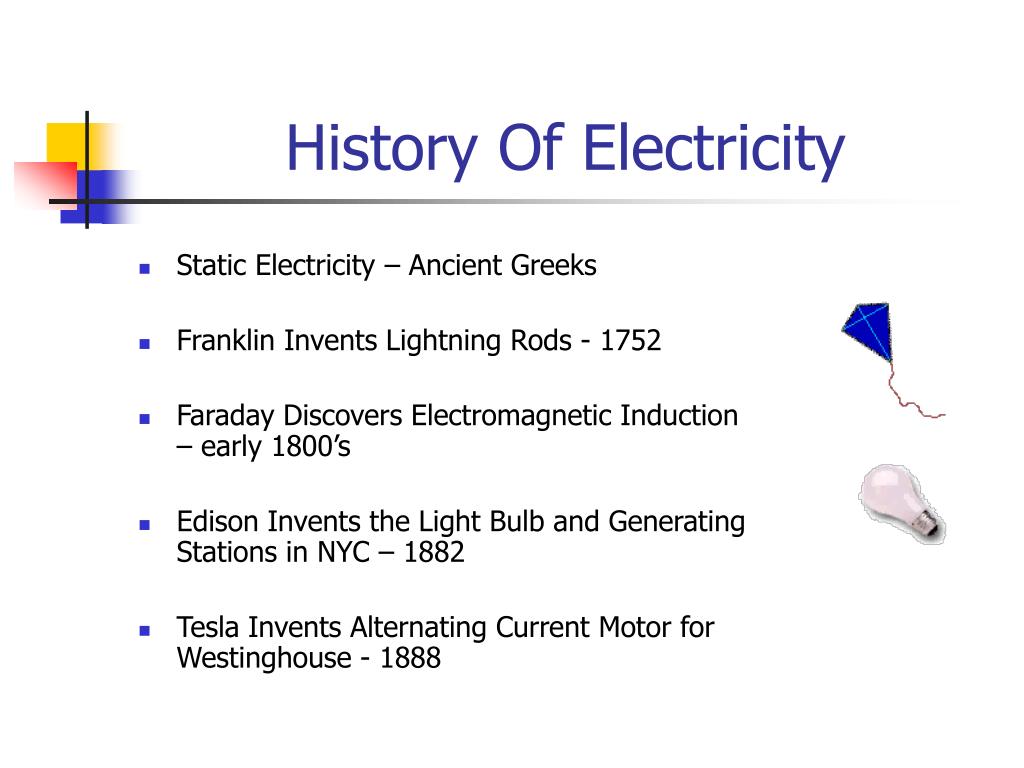
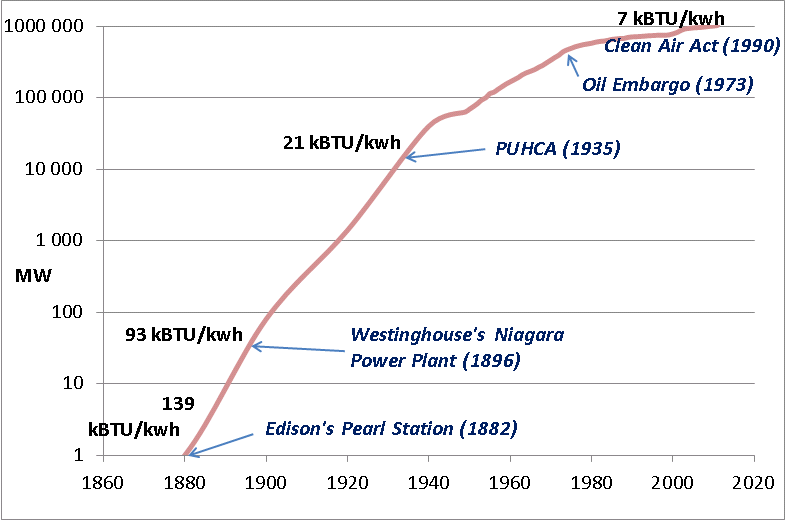
His Pearl Street Station in New York City, which opened in 1882, literally lit up a few square blocks of Manhattan. It was revolutionary, but here’s the rub: DC power couldn't travel very far without losing a lot of energy. You'd need a power station every few city blocks, which was incredibly inefficient for widespread adoption. This is where the plot thickens and things get spicy!
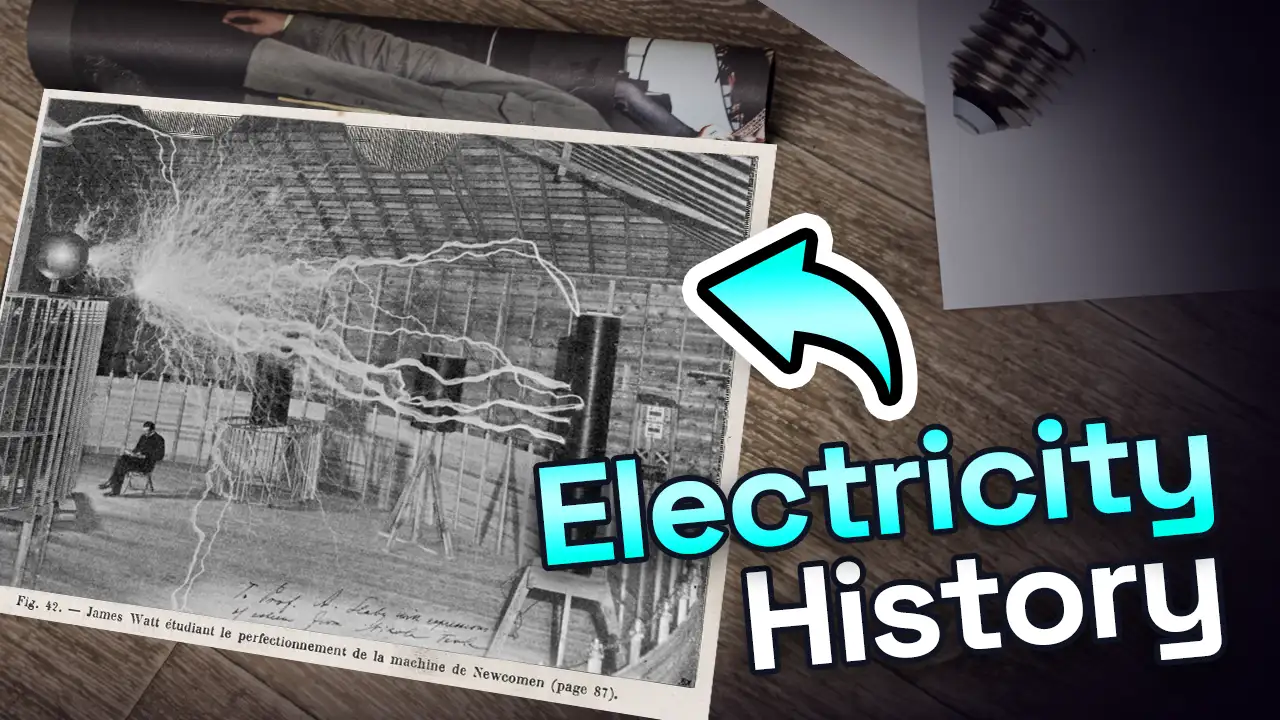
Enter Nikola Tesla and George Westinghouse. Tesla, a brilliant, eccentric visionary, championed alternating current (AC). AC could travel vast distances with much less power loss, thanks to transformers that could step voltage up or down. Edison, heavily invested in DC, launched what became known as the "War of the Currents," trying to scare people away from AC by portraying it as dangerous (even publicly electrocuting animals!). Talk about dirty campaigning, eh?

Ultimately, AC won because it was simply more practical and economical for large-scale distribution. This victory was the true foundation for our modern electrical grid, allowing power to be generated at distant plants and sent to homes and businesses miles away.
From Factories to Your Fridge: The Slow Invasion
Even with AC’s triumph, electricity didn't just instantly appear in every home. It was a gradual rollout, stretching well into the 20th century. First, it electrified factories, then businesses, then wealthier urban homes. If you lived in a rural area, you were likely out of luck for a long time. In the US, for instance, it wasn't until the 1930s and the creation of the Rural Electrification Administration (REA) that power started reaching farms and remote communities on a significant scale. Some places didn't get it until the 1940s or even 50s!

Initially, electricity was mainly for lighting. Then came the era of appliances, slowly transforming daily life. Electric irons, fans, toasters, and eventually radios, washing machines, and refrigerators started making their way into homes. Each new appliance meant a little less manual labor, a little more convenience. Imagine going from doing laundry by hand to having a washing machine – that was a huge deal!
So, when did electricity become "commonplace"? It wasn't a single year, but rather a process that began in earnest in the late 19th century, gathered momentum in the early 20th, and for many, didn't truly arrive until mid-century. It required massive infrastructure, incredible engineering, and a fierce battle of ideas.
Next time you flip a switch, plug in your phone, or just marvel at the glowing screen in front of you, take a moment to appreciate that invisible current. It’s not just a convenience; it’s the result of centuries of curiosity, ingenuity, and a few epic squabbles that truly changed the world. Pretty cool, right?