
What Would Make A Carbon Monoxide Detector Beep

Picture this: you're cozied up on the couch, maybe halfway through a marathon of your favorite show, or perhaps just enjoying a quiet evening. Suddenly, a sound pierces the silence. Not the ding of your phone, not the meow of a demanding cat, but a persistent, urgent BEEP-BEEP-BEEP! Your heart does a little flutter-kick. What in the world is that? And why, oh why, is it happening now?
If that sound is coming from your carbon monoxide (CO) detector, it's not just a random electronic tantrum. It's your little electronic guardian angel, making some serious noise because it’s trying to tell you something super important. Let's unwrap this mystery, shall we, and turn that moment of panic into a moment of "aha!"
What Even IS Carbon Monoxide, Anyway?
Before we dive into the beeping, let's have a quick, easy chat about CO. Think of it as the ultimate party crasher – uninvited, unseen, and totally incapable of taking a hint. It's an invisible, odorless, tasteless gas, which is exactly what makes it so sneaky and dangerous. You can't smell it like burnt toast, you can't see it like smoke, and you certainly can't taste it like that mystery leftover in the fridge. CO is the byproduct of incomplete combustion, meaning when fuels like natural gas, propane, wood, or gasoline don't burn completely.
Must Read
So, if it’s so undetectable, how does your CO detector know it’s there? Well, it's got a fancy sensor that's designed to sniff out even tiny traces of this gaseous ninja. And when it does, it doesn’t whisper; it shouts with that insistent beep.
So, Why the Racket? The Main Reasons for a Beep!
1. The Big One: Actual Carbon Monoxide Presence!
This is the granddaddy of all beeps, the reason your detector was invented. If you hear the full-blown, urgent alarm (often three or four loud beeps repeated rapidly), it means your detector has detected a potentially dangerous level of CO in your home. This isn't a drill! It's like your house is saying, "Hey, we've got an intruder, and this one's a silent one!"
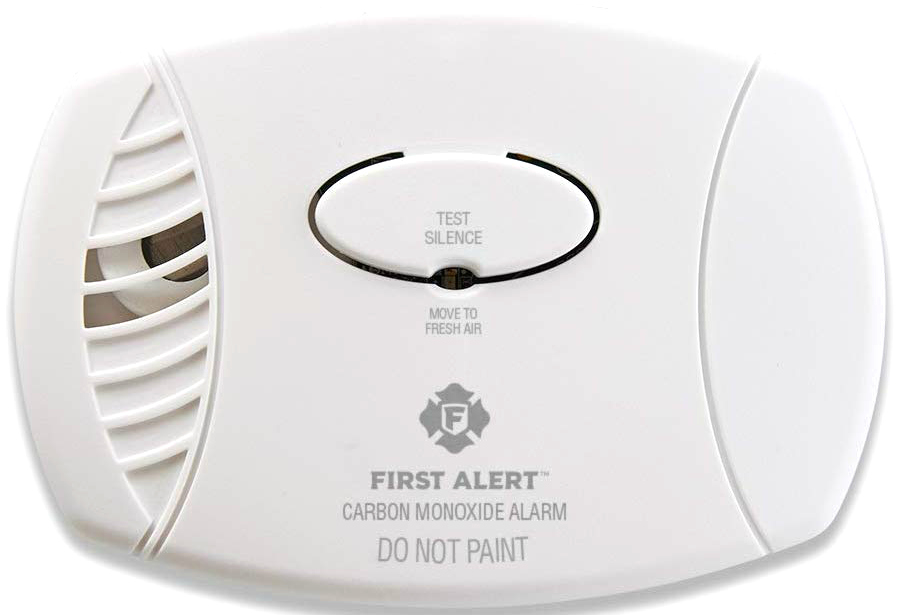
What might cause this? A whole host of things, often related to appliances that burn fuel:
- Your furnace or boiler might have a cracked heat exchanger.
- A gas oven or range could be malfunctioning.
- Your fireplace flue might be blocked, sending smoke (and CO) back into your living room instead of up and out.
- A clogged dryer vent could be an issue (yes, really!).
- Running a car in an attached garage, even for a short time.
- Using a gas grill or portable generator too close to the house.
If your detector is blaring this alarm, don't delay. Get fresh air immediately, and call for help. This is where your detector truly earns its keep.
![Carbon Monoxide Detector Beeping? [5 Things You Should Do] 2021](https://homebuyingchecklist.co/wp-content/uploads/2017/10/Carbon-Monoxide-Detector.jpg)
2. The "I'm Getting Old" Beep: End-of-Life Warning
Just like that trusty old smartphone that eventually gives up the ghost, CO detectors have a lifespan. Most last about 5 to 7 years. When they reach the end of their useful life, they often let out a specific series of chirps or beeps (check your manual, but it's usually different from the CO alarm). It's their polite way of saying, "My sensors are getting tired, friend. Time for a replacement!" Think of it as a digital "retire me, please!" signal.
3. The "Feed Me!" Chirp: Low Battery
Ah, the classic low-battery chirp! This is the most common and often most annoying beep. It's usually a single, quick chirp every 30 to 60 seconds. It’s like your TV remote saying, "Hey, I'm almost out of juice here!" It's easy to confuse with a CO alarm, but listen closely – the pattern is usually different. A quick battery swap (or replacing the whole unit if it has a sealed, 10-year battery) usually solves this little problem. It's a gentle reminder to keep your device powered up and ready for action.
4. The "I'm Just Testing" or "Oops, Malfunction" Beep
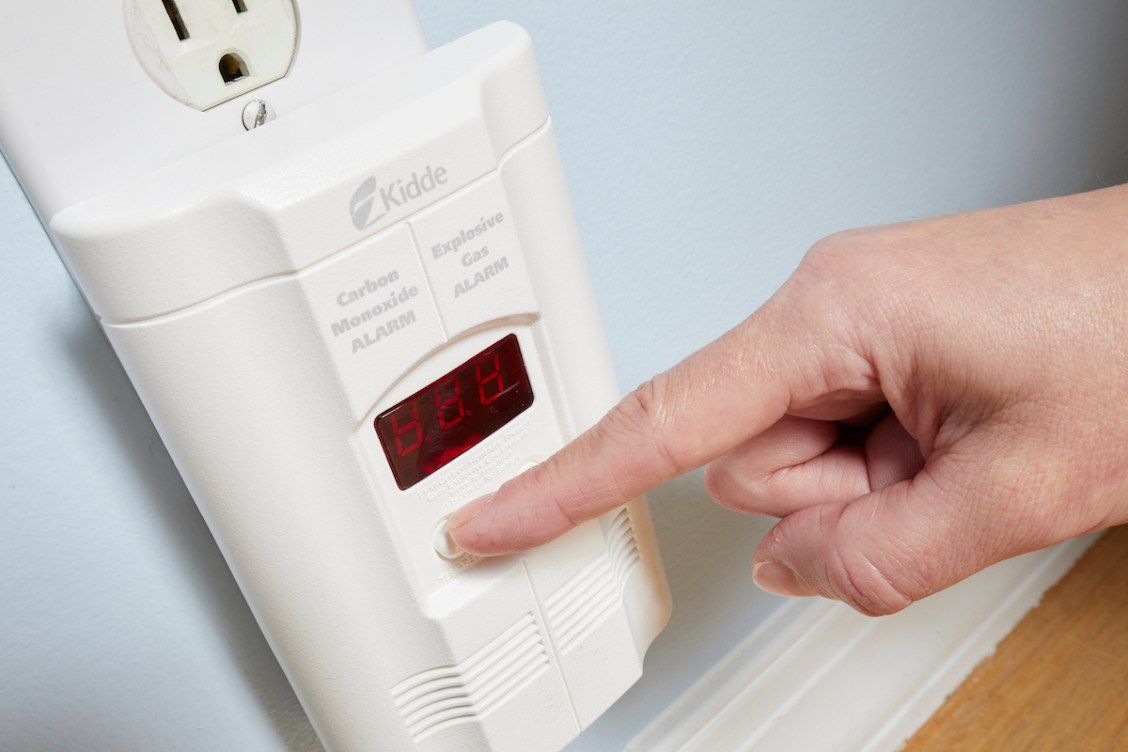
Sometimes, your detector might chirp briefly if someone accidentally pressed the "test" button (oops!). Other times, it might emit an error code or series of beeps indicating a malfunction or that it needs to be reset. If you’ve replaced the batteries and it’s not an end-of-life warning, check your device's manual to decipher what those specific beeps mean. Sometimes it's a simple reset, other times it truly means the unit is faulty and needs replacing.
Why Should We Even Care About a Silly Beep? (The Fun Part!)
Okay, so we know what makes it beep. But why does all this matter beyond just wanting a quiet house? Because, my friend, carbon monoxide is seriously dangerous, and your detector is your first, best, and often only line of defense.
Imagine this: you start feeling a little tired, maybe a headache that feels like a mild hangover (without the fun party the night before!), or a bit nauseous. You might shrug it off, thinking you're stressed or coming down with something. That's the insidious trick of CO poisoning – its initial symptoms mimic common ailments. But if the CO levels rise, things get much, much worse, quickly affecting your brain and heart.
Your CO detector isn't just a gadget; it's a silent sentinel, watching over your family, your pets, and your peace of mind. It’s the difference between potentially serious illness and a quick, decisive action that keeps everyone safe. It's like having a tiny, ever-vigilant superhero living on your wall, always ready to raise the alarm when danger lurks.
So, the next time that little box starts beeping, don't just groan. Listen to it. Understand it. And most importantly, act on it. It’s not just noise; it’s a warning, a whisper of caution, and a shout of protection, all wrapped up in that insistent BEEP-BEEP-BEEP! Take care of your detector, and it will take care of you.