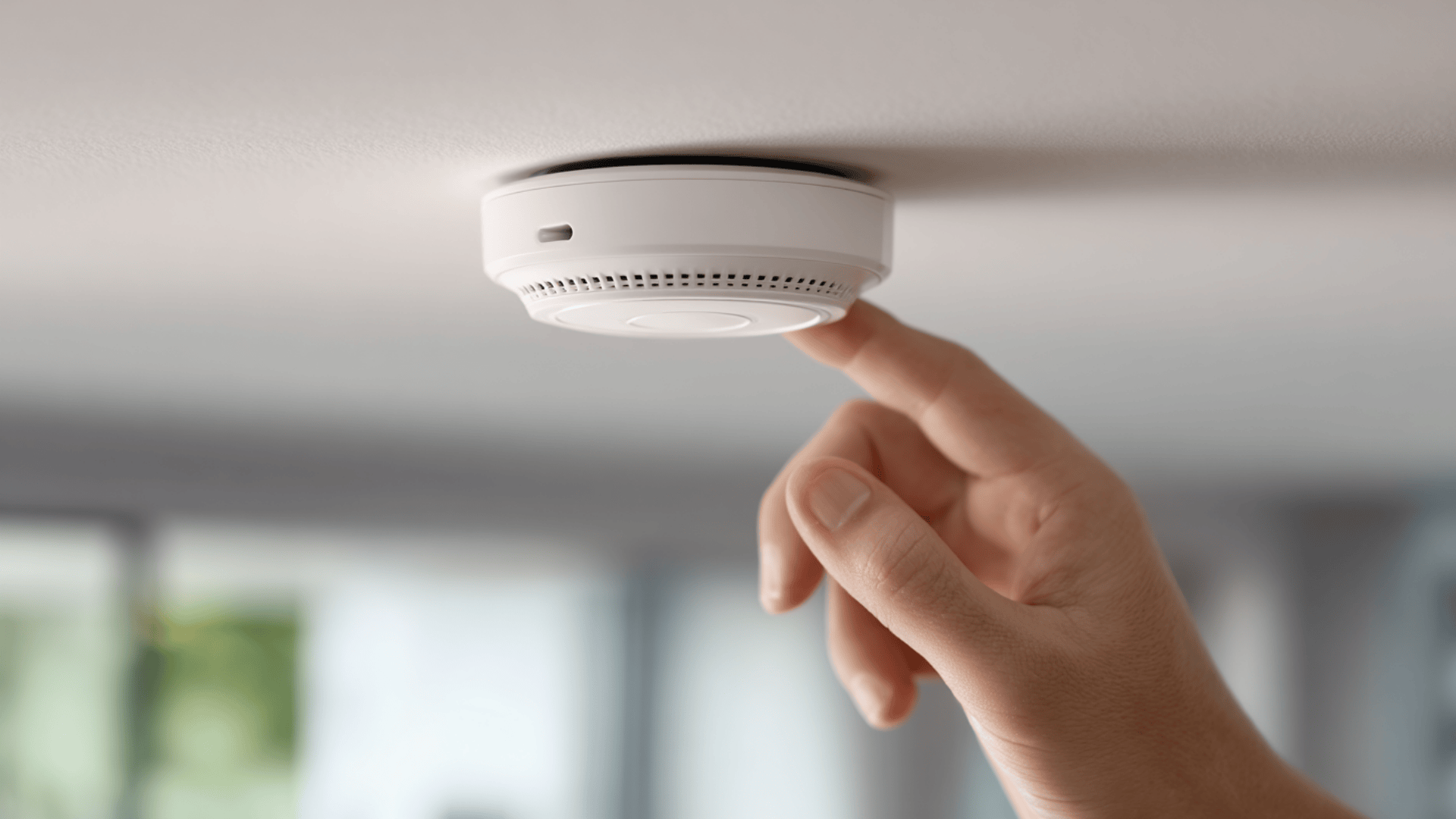
What Would Cause A Smoke Alarm To Go Off

Ever been minding your own business, perhaps happily scrolling through cat videos or attempting a culinary masterpiece, when suddenly... BEEP BEEP BEEP! That piercing shriek rips through the air, sending your heart racing and your pets scattering. Your smoke alarm has gone off! For a split second, panic sets in: Is it a fire?! More often than not, it's something less dramatic, but no less startling. Understanding what triggers these guardians of our homes can turn that moment of fright into a moment of informed action, which is surprisingly useful and even a little fun to demystify!
So, why is this topic so popular? Because it happens to everyone. From the seasoned chef to the microwave minimalist, we've all experienced the smoke alarm's unexpected serenade. The purpose of these devices is singular and critical: to alert you to danger, specifically smoke from a fire, giving you precious time to escape. Knowing what can cause a false alarm isn't just about saving your nerves; it's about being able to quickly assess a situation. Is this the real deal, or just an overzealous sensor? This knowledge helps you react appropriately, ensuring you either address a genuine threat or simply clear the air without unnecessary panic.
Let's dive into the usual suspects that make your smoke alarm sing its loud, often unwelcome, tune:
Must Read
First up, the most common culprit for those "false alarms" that send us scrambling: Cooking Fumes and Burnt Food. Yes, that beautifully seared steak or that slightly-too-toasty bagel can be the villain. Smoke alarms are designed to detect tiny particles in the air. When you burn something, even a little, those particles fill the air and can trick the alarm into thinking it's a full-blown fire. Think of it as your alarm having a super sensitive nose for danger – sometimes it just gets a little carried away!

Next, we have the sneaky saboteur: Steam. A hot, steamy shower or a vigorously boiling pot of pasta can release enough moisture into the air to trigger some smoke detectors, especially photoelectric models. These alarms are particularly sensitive to large, visible particles, and hot steam can mimic smoke surprisingly well. If your alarm is near a bathroom or kitchen, this is a likely suspect.
Don't forget the tiny invaders and the forgotten dust bunnies! Dust and Debris can accumulate inside the alarm's sensing chamber over time, interfering with its ability to detect properly. It's like having a dirty window on its internal camera. Similarly, a small Insect crawling into the chamber can block the light sensor, leading to an unwarranted alarm. A quick clean with a vacuum attachment can often solve these mysteries!

Finally, sometimes the problem isn't smoke at all, but Chemical Vapors. Strong cleaning products, aerosol sprays, or even paint fumes can release particles or gasses that, in high concentrations, can be mistaken for smoke by your diligent alarm. And while not a "going off" alarm, a consistent chirp, chirp, chirp usually signals a Low Battery, which means it's time for a quick change to keep your home protected.
Understanding these common triggers means you're no longer at the mercy of the mystery "BEEP BEEP BEEP!" You're empowered to quickly figure out if it's a real emergency or just a slightly overcooked dinner. So, next time your smoke alarm sounds, you'll know exactly what to investigate, keeping your cool and staying safe!