What Uses More Electricity A Fan Or Ac
Ever found yourself sweating on a summer day, debating whether to crank up the AC or just switch on a fan? It's a common dilemma, and more than just a matter of comfort – it's about your electricity bill! Understanding the energy consumption of these cooling devices can significantly impact your wallet and even the environment. So, let's dive into the electrifying question: what actually uses more juice, a fan or an AC?
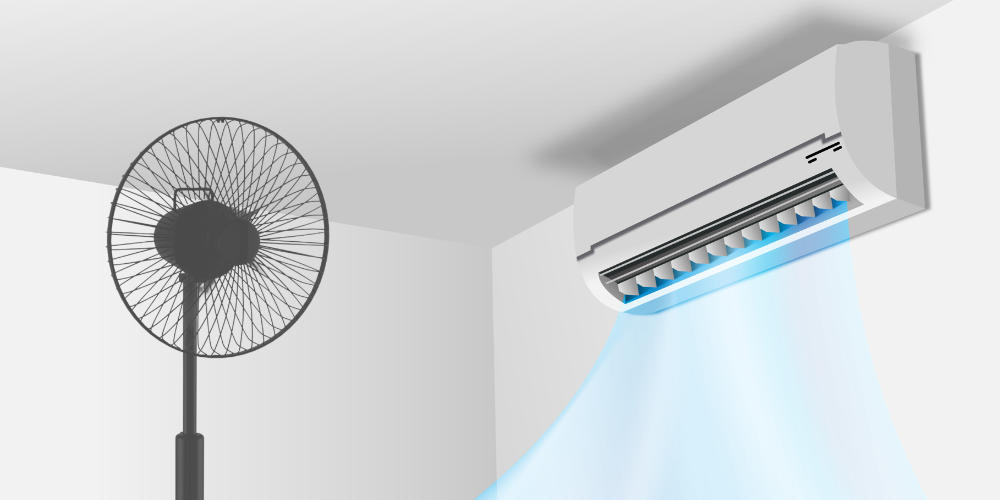
First, let's talk about what these devices do. A fan, at its core, is a simple machine. Its purpose is to move air around. It doesn't actually cool the air itself; it just creates a breeze that helps sweat evaporate from your skin, making you feel cooler. The faster the fan spins, the more air it moves, and the stronger the cooling effect. There are various types of fans, from small desk fans to large ceiling fans, each designed for different spaces and purposes. The benefit of using a fan is its relatively low energy consumption and ease of portability in some cases.
An air conditioner (AC), on the other hand, is a much more complex system. It works by actually cooling the air, removing heat and humidity from a room. This process involves a refrigerant, a compressor, and a system of coils to absorb and release heat. The cooled air is then circulated back into the room, creating a consistently cooler environment. ACs provide a more powerful and consistent cooling effect, particularly in humid climates. The benefit is its ability to transform a hot, uncomfortable space into a refreshing oasis.
Must Read
Think about a classroom. A teacher might use a fan to circulate air and prevent stuffiness, creating a more comfortable learning environment without racking up a huge electricity bill. In contrast, a computer server room, which generates a lot of heat, requires a powerful AC to maintain a stable temperature and prevent equipment from overheating. Or imagine your home: you might use a fan in your bedroom while you sleep to save energy, but rely on the AC in the living room during a hot afternoon when you're entertaining guests.
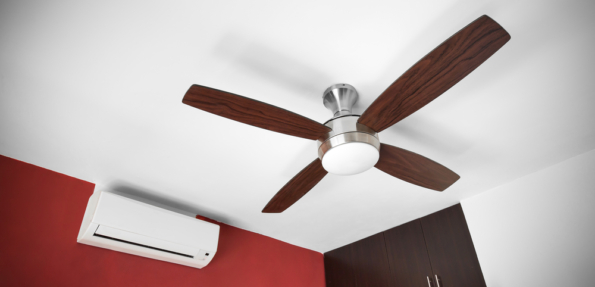
So, which one uses more electricity? The answer is almost always the air conditioner. ACs require a lot more power to operate their compressor and cooling system. A typical window AC unit can use hundreds or even thousands of watts, while a fan usually consumes just a few dozen watts. To put it in perspective, running a ceiling fan for an entire day might cost you pennies, while running an AC for the same amount of time could cost you several dollars.
Here are a few practical tips to explore the energy consumption of your own devices. You could check the wattage rating listed on the appliance itself, usually found on a sticker or in the owner's manual. There are also energy monitoring devices you can plug into an outlet to measure the actual power consumption of your fan or AC. Another simple way to experiment is to simply observe your electricity bill after using each appliance extensively. You can also use online energy calculators to estimate the cost of running different appliances based on their wattage and usage time. By being mindful of your energy usage and understanding the difference between a fan and an AC, you can make informed decisions and save money while staying comfortable!