What Type Of Extinguisher Is Used For Grease Fires
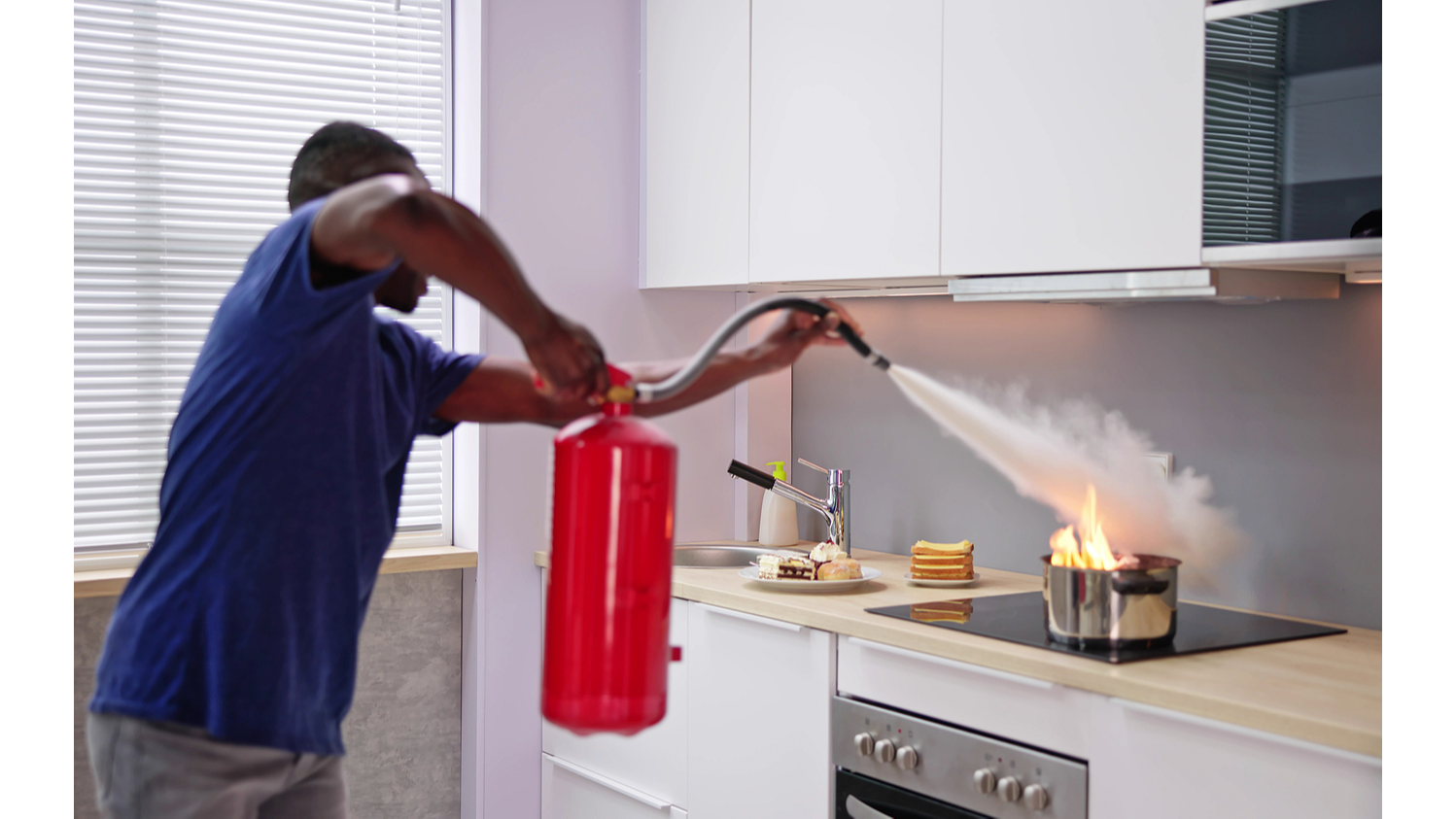
Picture this: It's Saturday morning. You've got your favorite tunes playing, the smell of sizzling bacon is filling the kitchen, and you're feeling like a culinary wizard. Maybe you're whipping up some crispy fried chicken, or perhaps a batch of perfect golden donuts. It’s all going great, right up until that one tiny splash of oil dances a little too close to the flame, and suddenly, you have a small, flickering inferno in your pan. Panic station! What do you grab? Your first instinct might be to reach for the nearest thing, but when it comes to grease fires, having the right tool for the job isn't just a good idea, it's a kitchen-saver!
The Sneaky Nature of Grease Fires
Grease fires are a different beast altogether compared to, say, a burning piece of toast (which, let's be honest, we've all had happen). You see, oil and water? They don't mix. And by "don't mix," I mean they have a dramatic, explosive breakup when introduced to each other during a fire. Pouring water on a grease fire is like throwing gasoline on a bonfire – it'll just make things worse, potentially spreading the flames and steam-blasting hot oil all over your kitchen. Not the chic splatter effect you were going for!
So, water is a big no-no. What about that trusty all-purpose ABC extinguisher you might have in your garage? While fantastic for wood, paper, and electrical fires, a standard ABC won't do the trick for a roaring grease fire. Why? Because cooking oils burn at extremely high temperatures. An ABC extinguisher might put out the flames momentarily, but the super-hot oil can re-ignite, leaving you in a very sticky, dangerous situation. It's like trying to put out a bonfire with a squirt gun – a temporary fix, at best.
Must Read
Meet the Hero: The Class K Extinguisher
Enter the unsung hero of the professional and home kitchen: the Class K extinguisher. If your kitchen was a superhero movie, this would be Captain America, swooping in to save the day when all others fail. The "K" stands for Kitchen (or sometimes "cooking oils and fats"), making it specifically designed to tackle fires fueled by animal fats and vegetable oils.
So, how does this magical gadget work? Instead of just smothering the flame or cooling it down, a Class K extinguisher unleashes a fine mist of potassium acetate, potassium carbonate, or potassium citrate. This chemical concoction reacts with the hot oil in a process called saponification. Imagine it like this: it turns that super-hot, flammable oil into a non-combustible, soapy foam, sort of like giving the fire a really thick, suffocating, yet strangely cool, blanket. This blanket not only smothers the fire by cutting off its oxygen supply but also cools the oil below its ignition temperature, preventing re-ignition. Ta-da! Fire out, crisis averted!

It’s a specialized tool for a specialized job, much like you wouldn't use a sledgehammer to hang a picture frame (unless you're having a really bad day). The Class K extinguisher is built to handle the unique chemical properties and high temperatures of cooking oil fires, ensuring they stay out for good.
Why Should YOU Care? (Besides Not Burning Down the House)
Okay, so it sounds a bit technical, but really, why should you, a casual home cook, care about this Class K superhero? Because your kitchen isn't just a room; it's the heart of your home! It's where memories are made, where secret family recipes come to life, and where you probably keep your favorite coffee mug. A grease fire can turn that cozy space into a smoky, sooty disaster zone faster than you can say "extra crispy."

Having the right extinguisher isn't just about safety; it's about peace of mind. Imagine the relief of confidently grabbing the correct tool instead of frantically flapping a dish towel (which, by the way, is another big no-no!). It means protecting your home, your loved ones, and your sanity. Plus, replacing a smoke-damaged kitchen is significantly more expensive and stressful than investing in a proper Class K extinguisher.
Now, while the Class K is the ultimate weapon, remember for small grease fires (think a tiny flame in a pan, not a towering inferno), sometimes you can carefully slide a metal lid over the pan to smother the flames, or even dump a generous amount of baking soda or salt on it. But always, and I mean always, turn off the heat source immediately. And if it's getting big, or you're unsure, just get out and call 911. No pot of fried chicken is worth risking your safety.
Wrapping Up Your Kitchen Safety Saga
So, there you have it! The secret to tackling those fiery grease flare-ups isn't water, and it's not your standard ABC extinguisher. It’s the mighty Class K extinguisher, specifically formulated to turn sizzling oil into a harmless, foamy blanket. Knowing this little tidbit of kitchen wisdom means you can fry, sauté, and deep-fry with a bit more confidence, knowing you're prepared for almost anything. Keep your kitchen safe, your meals delicious, and your extinguisher game strong!