
What Type Of Extinguisher For Grease Fires

Ah, the kitchen! The heart of the home, a place of delicious smells, happy memories, and sometimes… a little bit of unexpected drama. You’re whipping up some crispy bacon, frying some perfect chicken, or maybe just searing a steak. Everything is going great, then poof! A rogue flame dances in your pan, turning your culinary masterpiece into a mini inferno. Your heart jumps, your brain goes from “Master Chef” to “deer in headlights,” and suddenly you’re staring at a grease fire.
Now, instinct might scream, “Water! Douse it!” But hold your horses, cowboy. Or rather, hold your water! Because when it comes to grease fires, water is about as helpful as a screen door on a submarine. Seriously, it's the absolute worst thing you can do.
Picture this: hot oil, water. What happens? The water, being denser, sinks to the bottom of the pan. It instantly vaporizes into steam, expanding like a super-energetic toddler on a sugar rush, and violently throws the burning grease into the air. Suddenly, your small pan fire becomes a much larger, splattering, terrifying blaze. It's like throwing gasoline on a barbecue, but with more drama and less control. Definitely not what we want.
Must Read
Your First Line of Defense: Smother It!
Before you even think about an extinguisher, remember your kitchen's secret weapon: smothering. For small, contained pan fires, this is your go-to move.
- Grab a lid – any lid! Slide it over the pan. Instantly, you cut off the oxygen, and without oxygen, fire can't party. It's like pulling the plug on a rowdy karaoke session.
- No lid? How about a good old-fashioned box of baking soda? Not baking powder, mind you, but baking soda. Dump a generous amount over the flames. It releases carbon dioxide, which helps smother the fire. It’s your trusty kitchen sidekick, ready to save the day, one sprinkle at a time.
- A damp (not soaking wet!) cloth or fire blanket can also work wonders. Just carefully place it over the flames.
The key here is to cut off the oxygen supply. Simple, effective, and usually right at your fingertips.
When Extinguishers Enter the Scene
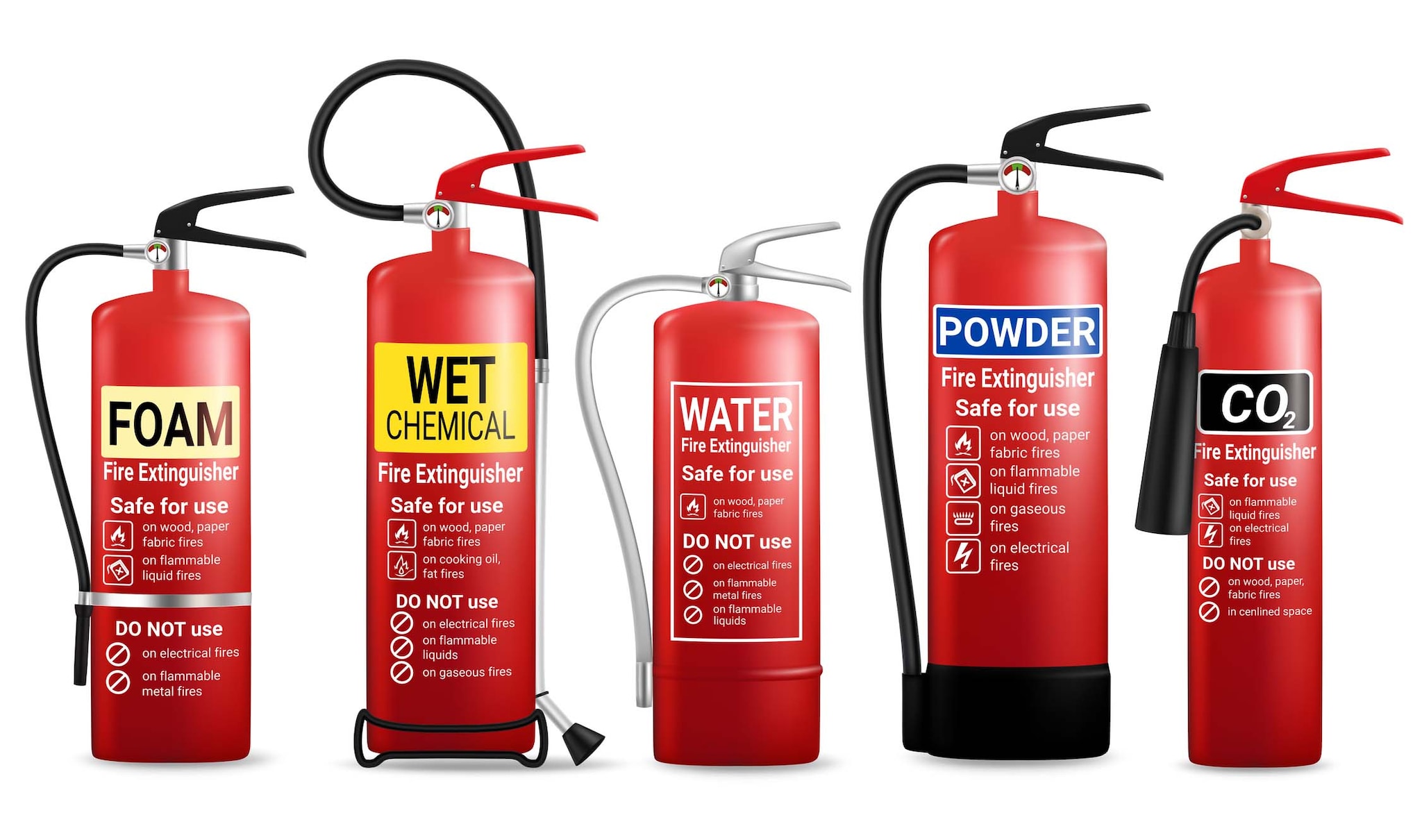
Okay, so you've tried smothering, or perhaps the fire is a bit too big for a lid. This is where your trusty fire extinguisher comes into play. But not just any extinguisher. We need a specialist for grease fires.
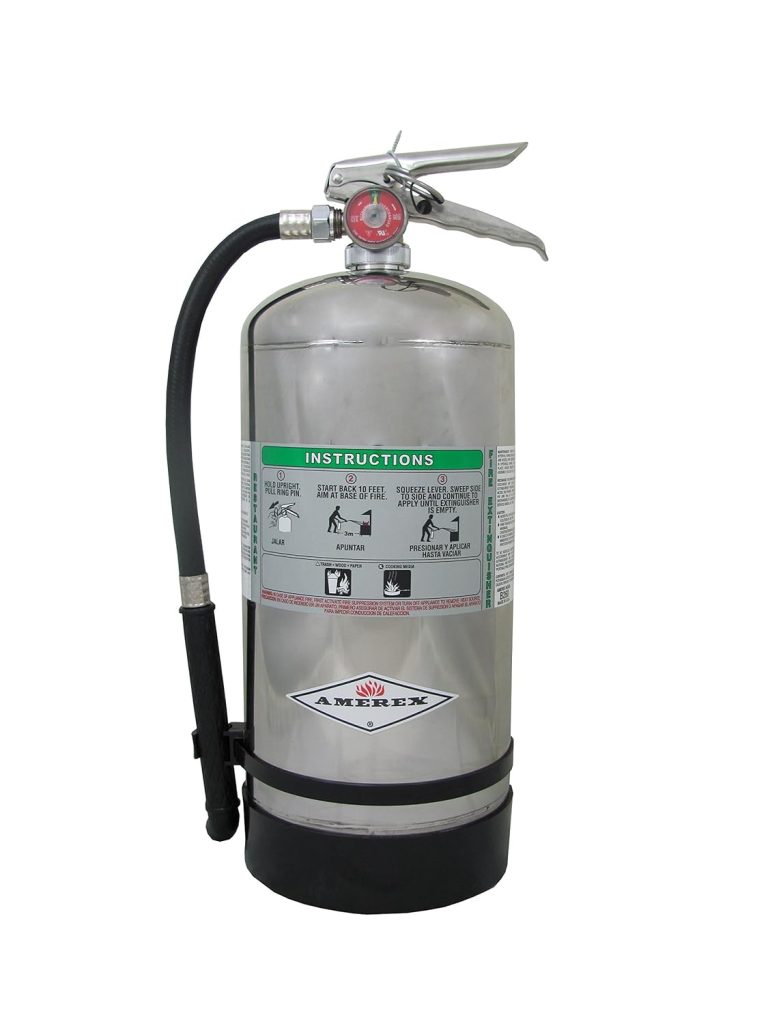
Enter the hero of our story: the K-Class extinguisher.
The K-Class extinguisher is the undisputed champion for kitchen fires, especially those involving cooking oils and fats. The "K" stands for "Kitchen," which should give you a big hint! These bad boys contain a special chemical agent – usually potassium acetate – that creates a foam blanket over the burning grease. This foam not only smothers the fire but also cools the oil, preventing it from reigniting. It’s like a specialized ninja of fire extinguishers, specifically trained to tackle those greasy villains.

If you've got a commercial kitchen or you're just super serious about home safety, a K-Class extinguisher is a must-have. They're designed for the high-temperature cooking oils found in deep fat fryers, griddles, and commercial woks. For the average home cook, it might seem overkill, but for peace of mind, it's priceless.
What About Other Extinguishers?
You might have other types of extinguishers lurking around. Let's talk about them:
ABC Extinguisher: This is your general-purpose extinguisher, good for wood, paper, liquids, and electrical fires. It uses a dry chemical powder. For a small grease fire, an ABC might do the trick, but it's not ideal. The powder can make a huge mess, and it might not prevent reignition as effectively as a K-Class. Think of it as a handyman – good at many things, but not a specialist.
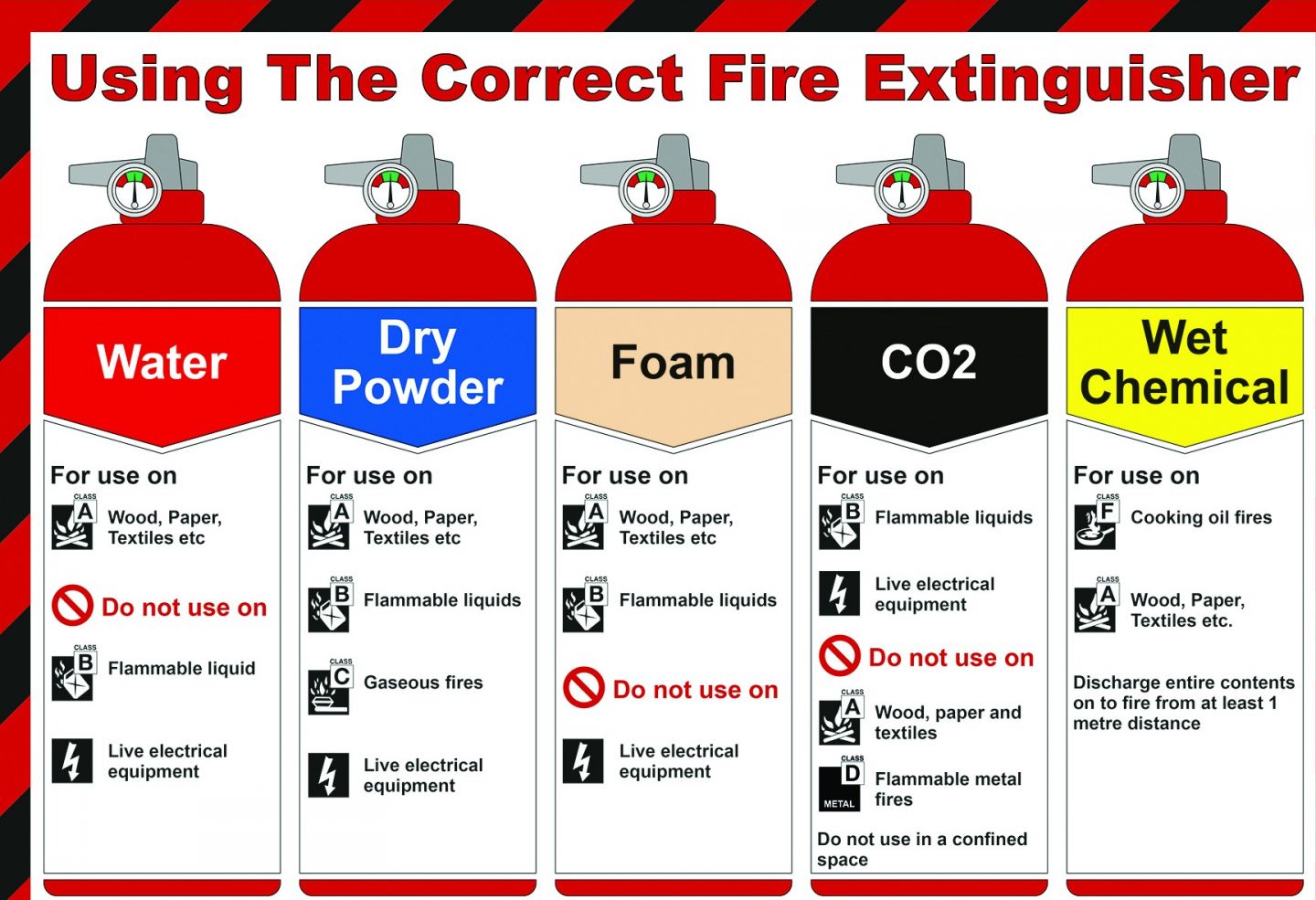
CO2 Extinguisher: These contain carbon dioxide, which displaces oxygen. They're great for electrical fires and don't leave a residue. For a grease fire, a CO2 extinguisher can work by cooling and smothering, but it can also be tricky. The high-pressure blast might spread the burning grease, especially if you're not careful. Plus, it only cools the surface, so reignition is still a risk if the oil is hot enough. It's like trying to put out a campfire with a really strong fan – might work, but could also make things worse.
The Takeaway: Be Prepared, Not Panicked!
So, what’s the golden rule for grease fires?
1. Don't use water. Ever. Seriously, engrave it on your brain.
2. For small fires, smother it with a lid, baking soda, or a damp cloth.
3. For anything bigger, or if you can't smother it, reach for a K-Class extinguisher. If you don't have one, an ABC might work in a pinch, but remember the limitations.
The best defense is always preparation. Keep a lid handy, have some baking soda nearby, and if you can, invest in a small K-Class extinguisher for your kitchen. That way, the next time your cooking goes a little wild, you’ll be ready to extinguish the drama and get back to enjoying your delicious (and now safely contained) meal. Stay safe out there, happy cooks!