What Type Of Battery Is In A Smoke Detector
Alright, picture this: It's 3 AM. You're deep in the land of nod, dreaming of... well, probably something much more pleasant than what's about to happen. Suddenly, CHIRP! A single, piercing, utterly unignorable chirp echoes through your silent house. You bolt upright, heart pounding, convinced it's an intruder, a cataclysmic event, or perhaps a particularly aggressive cricket. But no, my friend. It's just your trusty smoke detector, letting you know it's time for a little chat.
That incessant little sound, usually occurring at the absolute worst possible moment (because, let's be real, when is a good time for a loud, random chirp?), is more than just an annoyance. It’s a tiny, desperate plea for attention from the unsung hero hanging on your ceiling. And that plea? It’s all about its power source. So, what type of battery is hiding in there, enabling these dramatic midnight performances? Let's dive in, shall we?
The Old Faithful: The 9-Volt Battery
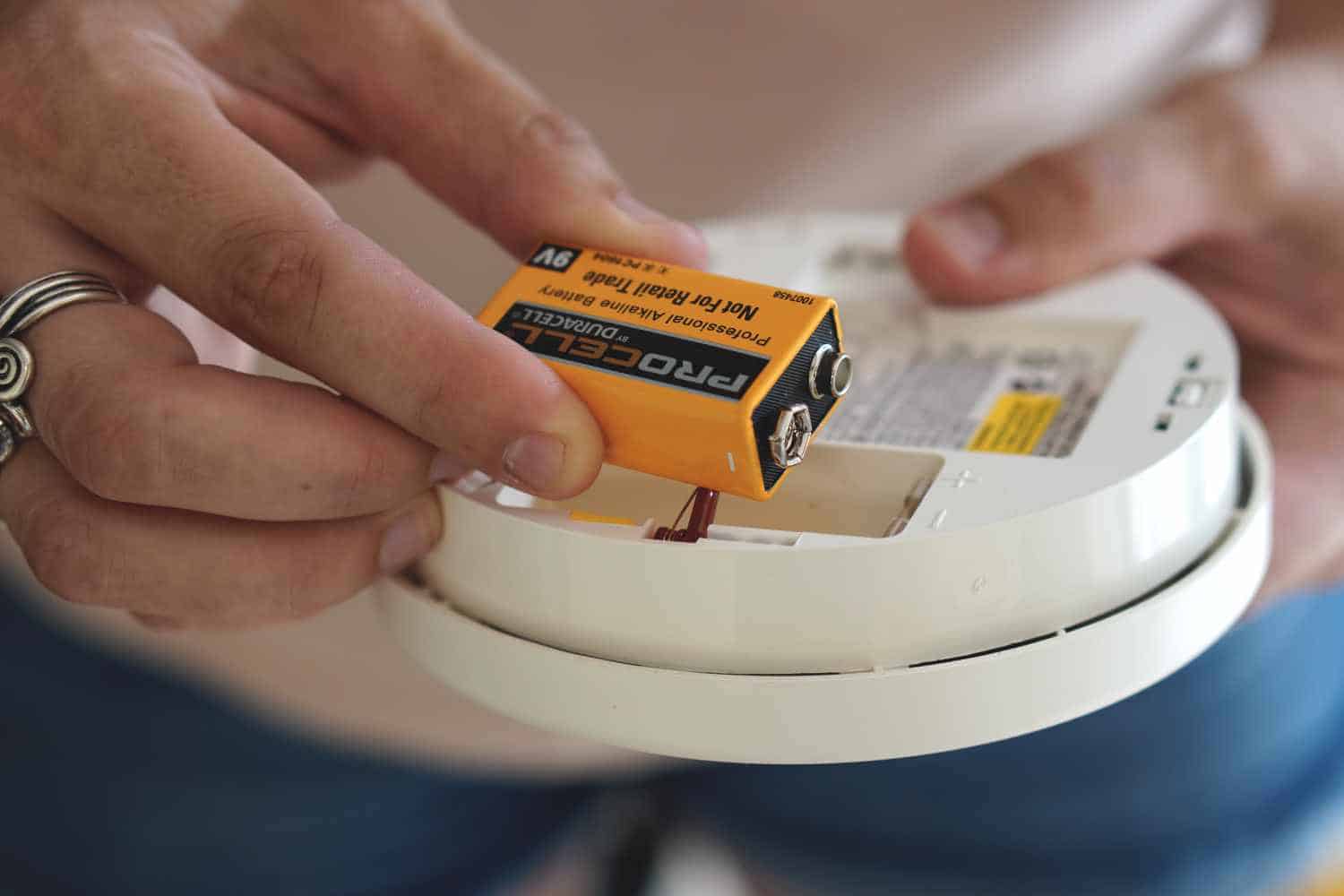
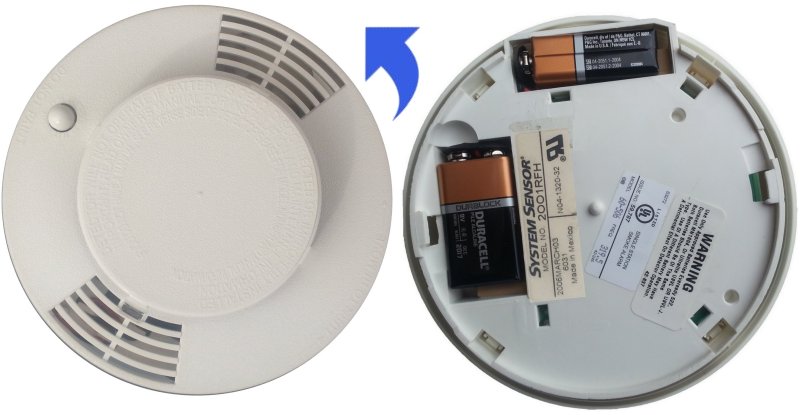
For decades, if you asked someone what battery went into a smoke detector, the answer was almost universally the same: the 9-volt battery. You know the one, right? That rectangular block with two terminals on top, looking a bit like a miniature brick. It’s been the standard for so long that it practically defines what a smoke detector battery looks like.
Must Read
These little powerhouses are fantastic because they're readily available. You can grab one at pretty much any corner store, supermarket, or gas station. They’re also relatively easy to pop in and out, making battery changes a fairly straightforward DIY task. But here's the catch, and why that 3 AM chirp is such a recurring nightmare for many of us: 9-volt batteries generally need replacing at least once a year. Maybe twice, depending on the brand and how much your detector likes to test its limits.
This annual ritual of standing on a chair, fumbling with a small compartment, and trying to avoid setting off the alarm while changing the battery is a rite of passage for homeowners. And if you're like me, you probably only remember to do it after the first chirp, rather than proactively. Oops!

Beyond the 9V: AA and AAA Alternatives
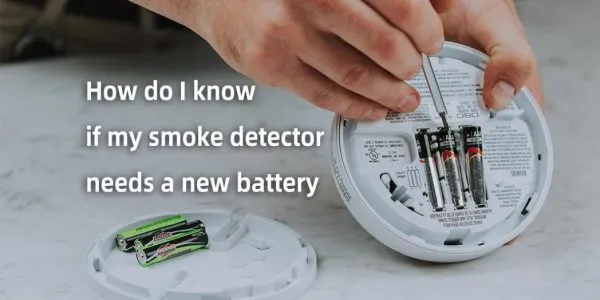
While the 9V is king in many older or basic models, you might occasionally encounter smoke detectors that use other familiar battery types. Some units, particularly certain newer models or those with extra features like carbon monoxide detection, might opt for a couple of AA or AAA batteries instead. It’s less common than the 9V, but not unheard of.
These typically offer a similar lifespan to the 9V (i.e., you’ll still be changing them annually), but they provide a bit more flexibility in terms of power delivery or physical design for the manufacturer. If you’ve got one of these, you know the drill – same annual check, different shape of battery. Always a good idea to check the manual or the back of the unit itself to be sure, right?
The Game Changer: Sealed, Long-Life Lithium Batteries
Now, this is where things get really interesting, especially if you're sick and tired of those yearly battery swaps. Enter the modern marvel: the smoke detector with a sealed, 10-year lithium-ion battery. Yes, you read that right. Ten years!
These detectors are designed to be essentially maintenance-free for a full decade. The battery is built right into the unit and is not meant to be replaced. When the ten years are up, you don't just swap the battery; you replace the entire smoke detector. This might sound a bit drastic at first, but consider the benefits:
- No more 3 AM chirps for ten years! (Unless it’s a fault, of course, but not battery-related).
- Guaranteed power for the life of the detector. You can't "forget" to change it if it's sealed in.
- Meeting safety regulations: Many jurisdictions are now moving towards requiring these long-life battery models for new installations or replacements.
They usually have a little "mute" button for false alarms and a "test" button, but that's about the extent of your interaction until it's time for the whole unit to retire. It's a fantastic innovation for peace of mind, isn't it?
So, Which One Do You Have?
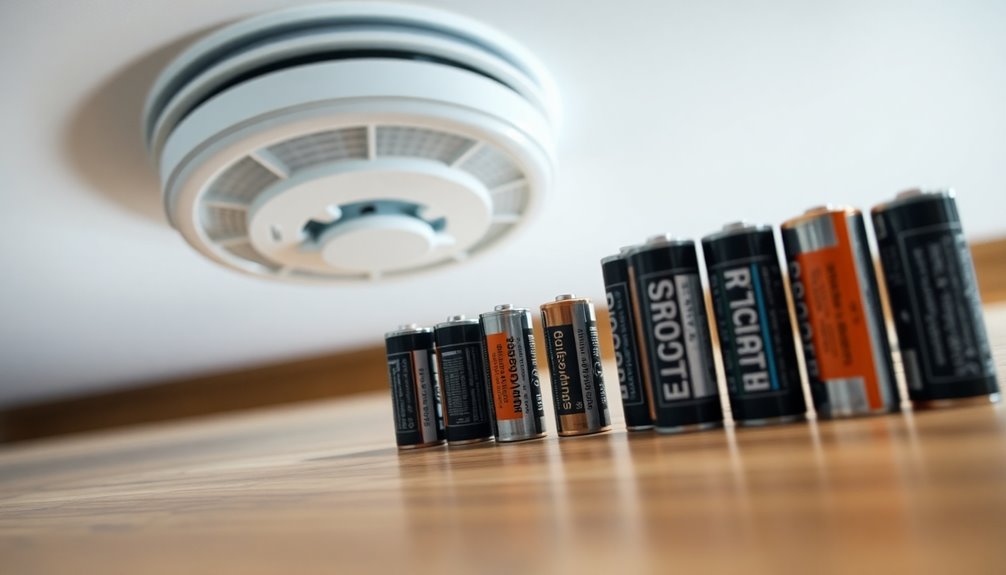
The best way to know what battery is in your smoke detector is, honestly, to check it! Most units will either explicitly state the battery type on the back or inside the battery compartment, or it'll be obvious once you open it up. If it's sealed, it will likely be labeled as a "10-year battery" unit.
Regardless of the type, the key takeaway here is simple: smoke detectors save lives. And they can only do that if they're properly powered. So, whether you're a 9V traditionalist, an AA/AAA user, or enjoying the decade of silence with a sealed lithium unit, make sure your smoke detector is always ready to chirp for a reason, not just for a battery change.
And hey, maybe put a reminder in your calendar for those annual checks. Your peaceful 3 AM self will thank you for it! Stay safe out there, folks.