What Type Of Battery Does A Fire Alarm Take

Ever woken up in the middle of the night to that infamous, incessant chirping sound? It’s a sound that strikes fear (and often, mild annoyance) into the hearts of homeowners everywhere. We instinctively know it means our smoke alarm needs attention, but have you ever stopped to wonder, with a truly curious mind, what type of battery powers that vital sentinel of safety? It’s a small detail, often overlooked, but understanding it can be surprisingly insightful and genuinely empowering!
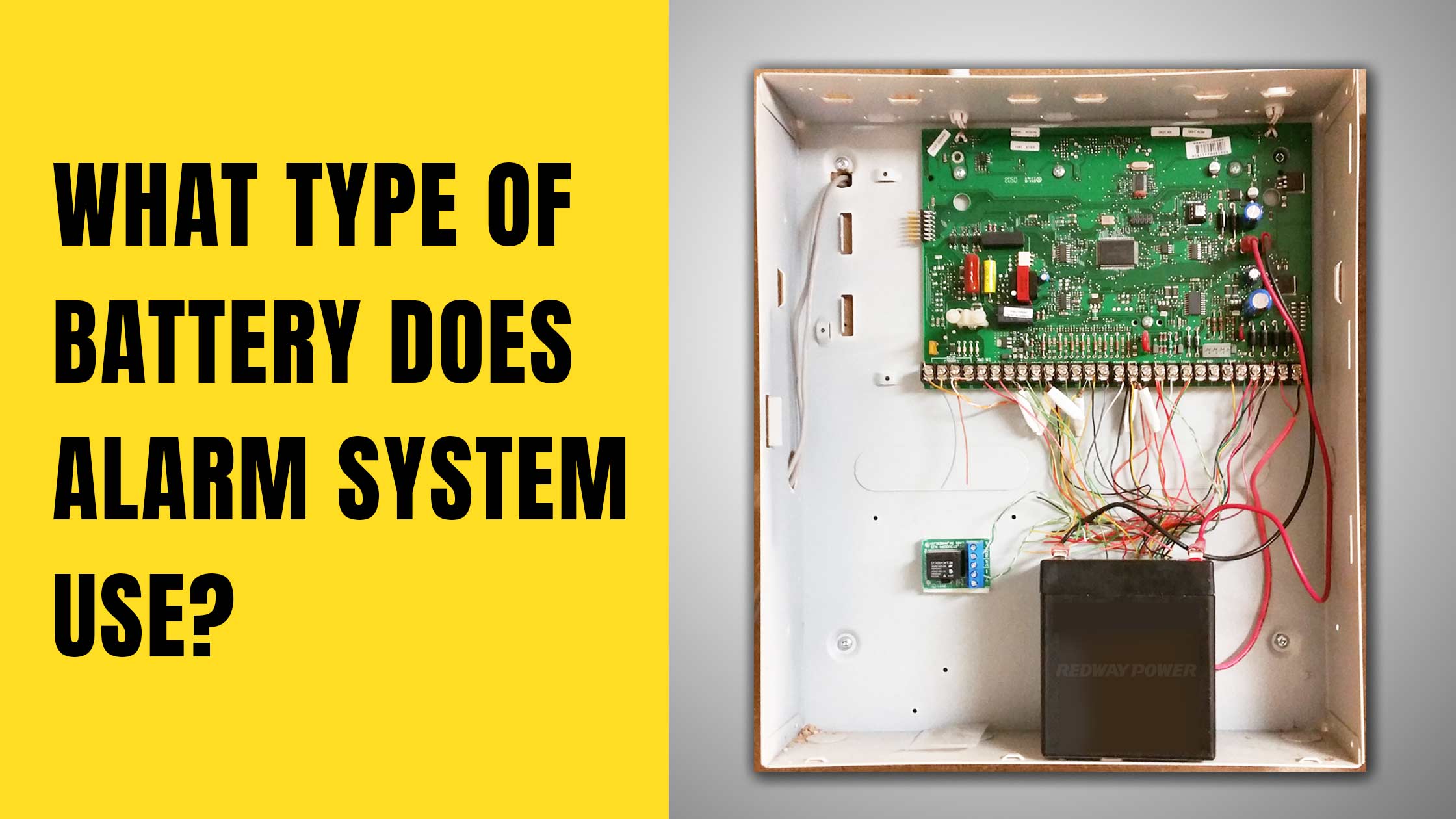
The primary purpose of a battery in a fire alarm is incredibly straightforward yet profoundly important: to provide uninterrupted power. Most modern homes have wired smoke alarms, meaning they draw their primary power from your home's electrical system. So why the battery? Ah, here’s the clever bit! The battery acts as a backup power source. If there's a power outage – perhaps during a storm, or if a circuit breaker trips – your wired alarm would go silent without that trusty battery. This crucial backup ensures that your home, and more importantly, your family, remain protected around the clock, even when the lights go out. The benefit is peace of mind, knowing your early warning system is always vigilant.
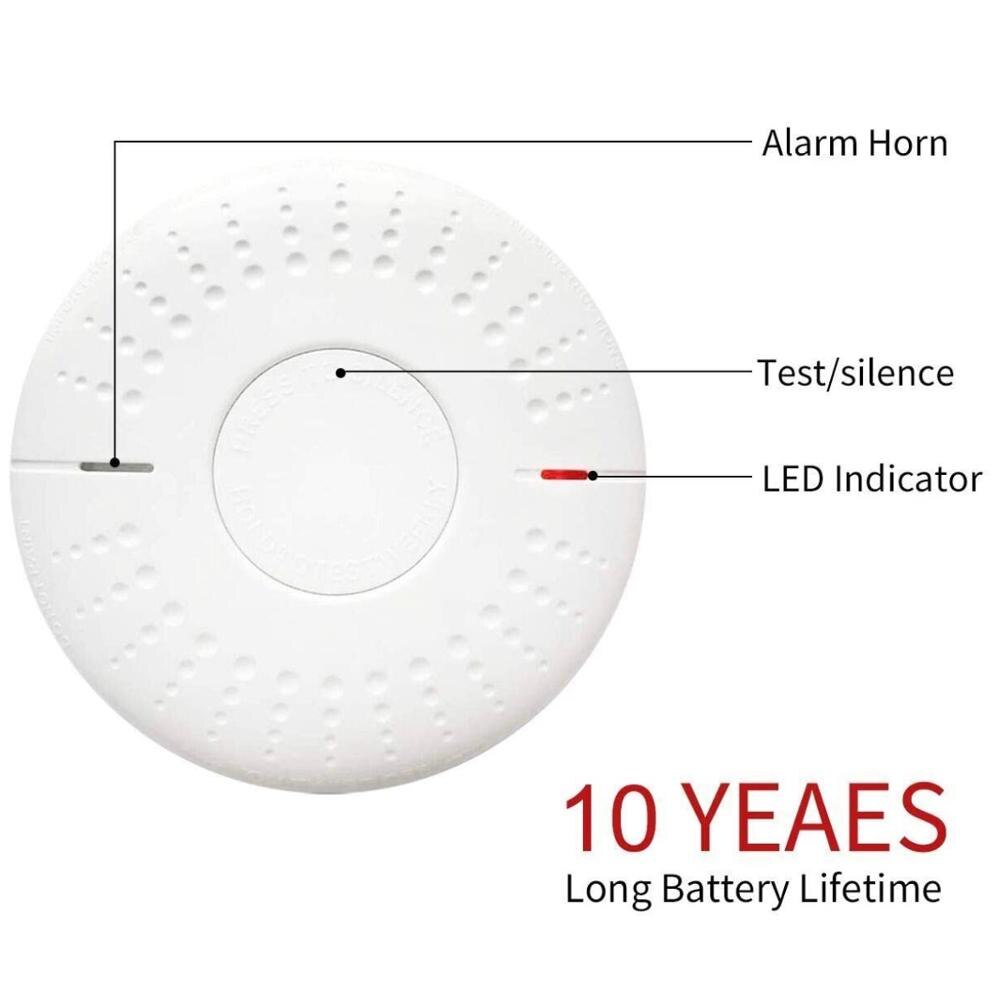
So, what's the big reveal? For decades, the most common battery found in fire alarms has been the humble 9-volt battery. You know the one – that rectangular block with two terminals on top, often powering remote controls or children's toys. It's compact, reliable, and offers a decent lifespan for this application. However, as technology evolves, so do fire alarms! You might also find models that use standard AA or AAA batteries, particularly in some wireless or smaller standalone units. A growing trend, and one you'll increasingly encounter, is the sealed 10-year lithium-ion battery. These alarms are designed to last a decade without a battery change, and you can't replace the battery yourself – when it dies, the whole unit needs to be replaced. This is a brilliant innovation for many, as it significantly reduces maintenance and the dreaded "midnight chirp."
Must Read
Understanding your fire alarm battery isn't just for emergency preparedness; it pops up in daily life and even offers educational tidbits. In daily life, it’s about routine home maintenance. The chirping battery is a universal signal for replacement, often reminding us during inconvenient hours! We learn the importance of checking and replacing batteries regularly. In an educational context, particularly for younger learners, discussing fire alarm batteries can be a fantastic way to introduce basic concepts of electricity and circuits, the importance of backup systems, and crucial lessons about fire safety. School fire drills often include checking alarms, reinforcing this practical knowledge.
Ready to become an expert? Here are some practical tips and ways to explore this topic further. First, simply look at your own fire alarms! Most have a small compartment. Open it (carefully!) and see what type of battery is inside. If it's a 9V, note the type. If it's a sealed unit, you'll likely see a "10-year battery" sticker. Second, make it a habit: test your smoke alarms monthly using the test button, and replace traditional batteries at least once a year. Many people tie this to daylight saving time changes – "spring forward, change your batteries!" Finally, always dispose of old batteries responsibly at a recycling center. Knowing what powers your fire alarm isn't just trivia; it's a fundamental step toward a safer, more prepared home. Who knew a tiny battery could hold so much intrigue?