
What To Do When The Carbon Monoxide Detector Beeps
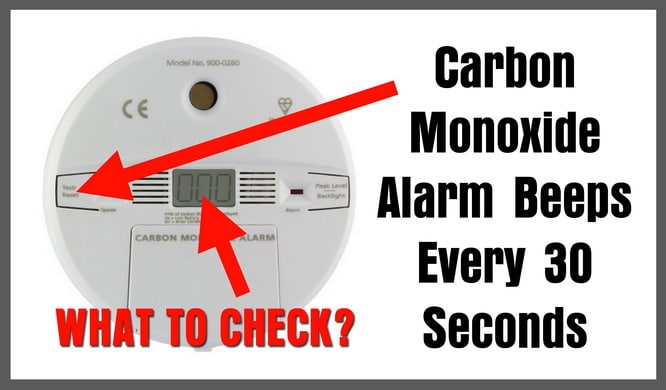
Alright, picture this: You’re chilling at home, maybe binging your favorite show, wrestling a rogue sock from the laundry pile, or perhaps attempting to bake a soufflé that actually soufflés. All is peaceful. Then, suddenly, a sound slices through the calm – BEEP! BEEP! BEEP! It’s not your smoke detector protesting your slightly-too-toasty bagel. No, this is a different kind of alert. This is your carbon monoxide (CO) detector, and it’s shouting for your attention.
Now, before your heart does a dramatic leap into your throat, let’s talk about this little gadget. Think of your CO detector as your home's super-sensitive nose, sniffing out a sneaky, invisible guest that no one invited. This guest, carbon monoxide, is often called the "silent killer" because it's a gas you can't see, smell, or taste. It’s like that one friend who shows up unannounced, eats all your snacks, and subtly drains all your energy – except way, way worse for your health.
Why Should You Care (In a Fun, Accessible Way)?
Imagine your body is a magnificent, super-efficient machine, and your blood cells are like tiny delivery trucks, zipping around with precious oxygen to every part of you, especially your brain. Oxygen is the fuel that keeps everything running smoothly, making you feel bright, awake, and ready to conquer that pile of laundry.
Must Read
Now, here comes CO, the ultimate party crasher. When CO is around, those little delivery trucks in your blood get confused. CO looks awfully similar to oxygen to them, and CO is a much more aggressive hitchhiker. So, instead of picking up life-giving oxygen, your trucks grab CO instead. It’s like ordering your favorite pizza, but they accidentally deliver an empty box with a note saying, "Sorry, we replaced your pizza with... nothing!" Suddenly, your brain and other organs aren't getting the oxygen they need.
This is why CO poisoning can make you feel fuzzy-headed, tired, nauseous, or like you’ve caught a really persistent flu. Or, as my friend once put it after a minor leak was found, "I felt like I’d had three margaritas on an empty stomach, but without any of the fun bits!" The scary part? These symptoms can be subtle, creeping up on you like a ninja in the night, often mistaken for something else. So, when that detector beeps, it's not crying wolf; it’s saying, "Hey, your oxygen delivery system might be under attack!"
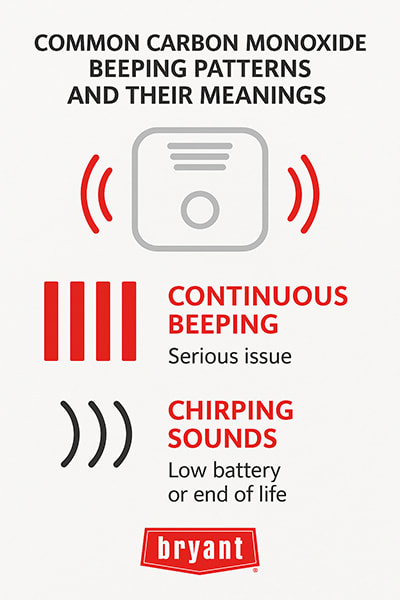
Okay, It’s Beeping. What To Do Next?
This isn't the time for a leisurely stroll or to finish that last level of Candy Crush. Think of it like this: your house is politely telling you it needs a moment to itself. So, here’s the game plan, swift and simple:
Step 1: Don't Panic (Too Much)
Take a deep breath. Seriously. Like you’re about to blow out a ridiculously large number of birthday candles. Panicking wastes precious time. Your detector has given you a head start. This is not a drill, but it's also not the end of the world if you act fast.

Step 2: Get Everyone Out. NOW!
This is where you become the fearless leader of your household expedition. Gather everyone: kids, partners, houseguests, and yes, even the grumpy cat or the perpetually confused goldfish (if you can manage it safely and quickly). Do not dilly-dally. No stopping to grab your phone charger, your favorite mug, or that half-eaten bag of chips. Just get out. Fresh air is your best friend right now. Think of it as an impromptu, slightly urgent picnic in your front yard.
Step 3: Call the Professionals (The Real Superheroes)
Once you're safely outside and away from the house – a good distance, like across the street – grab your phone and dial 911 (or your local emergency number). Tell them your carbon monoxide detector is beeping. They are the pros, the real gas-leak ghostbusters, equipped with the right tools to safely assess the situation. Resist the urge to go back inside and "just open a window." CO is sneaky, and it can linger. You need trained eyes and equipment to declare your home safe again.

Step 4: Do NOT Go Back Inside!
I know, I know. You left your phone. Your keys are probably still on the counter. Maybe you just remembered you left the stove on (hopefully not!). But seriously, do not re-enter your home until the fire department or utility company has given you the all-clear. This is probably the hardest step, because our homes are our safe havens, and the thought of leaving them unattended is tough. But your safety is paramount. That casserole can wait.
Step 5: Wait Patiently (and maybe entertain the neighbors)
The emergency services will arrive, often with flashing lights and impressive gear. They'll use their fancy detectors to check CO levels and find the source of the leak, whether it’s a faulty furnace, a blocked chimney, a gas appliance issue, or something else. They’ll tell you when it’s safe to go back in, and they might give you advice on getting your appliances checked or repaired. Think of it as a house inspection, but with way more urgency and much nicer uniforms.
So, the next time that little box starts yelling BEEP! BEEP! BEEP! remember it's not trying to scare you. It's simply doing its job, protecting you from an invisible threat and giving you a chance to be the quick-thinking hero of your own home. Give that detector a mental high-five, because it just might have saved your day – and then some.
