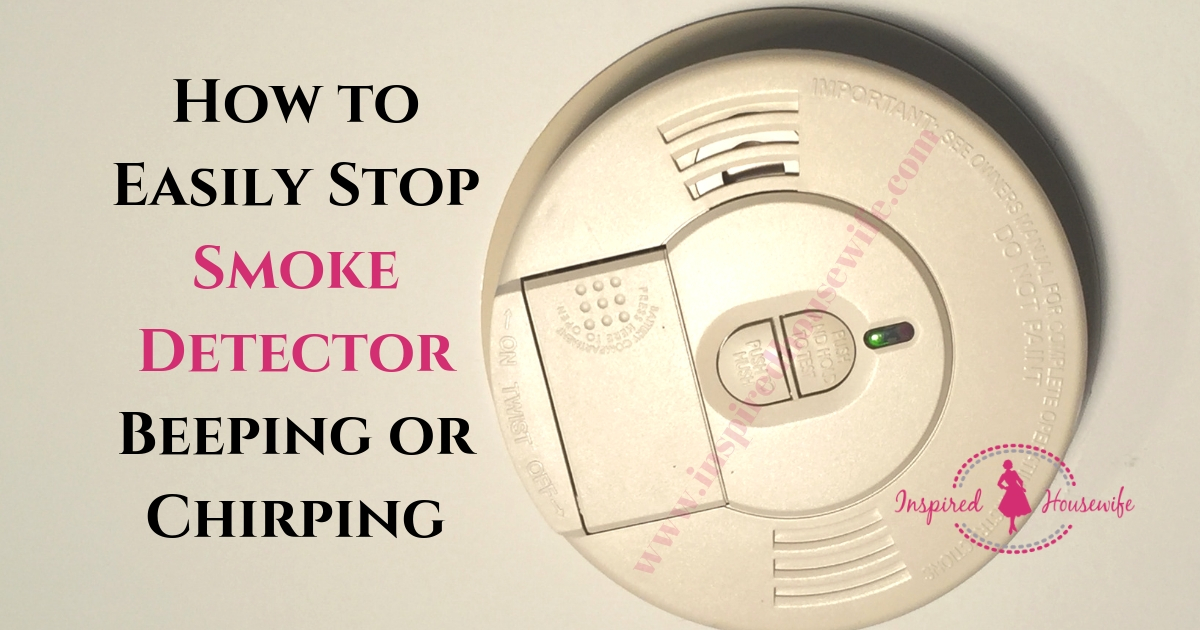
What To Do When Smoke Detector Beeps

Ever been rudely awakened in the middle of the night by a frantic, piercing shriek? Or perhaps you've been peacefully making toast when suddenly, your kitchen decides to sound the alarm? Ah, the humble smoke detector! While it might sometimes feel like an irritating noise machine, understanding what to do when it beeps is not just useful, it’s a vital skill that can turn a moment of panic into a controlled, safe response. Think of it as knowing the secret language of your home's tiny guardian; mastering it gives you peace of mind and, more importantly, keeps you and your loved ones safe. It's a popular topic because everyone has one, and almost everyone has experienced that confusing beep!
The core purpose of your smoke detector is beautifully simple: to alert you to the presence of smoke, which is often the first sign of fire. Its benefit is immeasurable – it buys you precious seconds to escape, preventing potential tragedy. Knowing how to interpret its various beeps and what immediate actions to take transforms this essential device from a mere gadget into a powerful tool in your personal safety arsenal. It's about being prepared, not scared, and feeling confident you know the drill, whatever the situation.
So, your smoke detector is beeping. What’s next? First, you need to be a detective and identify the type of beep. Is it a continuous, loud, blaring alarm, or a single, short chirp every 30-60 seconds?
Must Read
-
The "Chirp" (Low Battery): This is the most common and often the most ignored sound. A solitary chirp, repeated periodically, almost always means the battery is low. Your detector is essentially whispering, "Help me, I'm running out of juice!" While annoying, this is a good sign – it means the unit is still functional enough to warn you about its power status. Do not ignore this! A detector with a dead battery is useless. Grab a ladder, unclip the unit, and replace the battery immediately. Most detectors use a 9-volt battery. Test it once the new battery is in!
-
The "False Alarm" (Steam, Burnt Toast, Dust): If your detector lets out a full, continuous alarm but there’s clearly no fire (hello, over-toasted bagel or steamy shower!), you’ve got a false alarm. These can be triggered by cooking fumes, excessive steam, or even dust accumulating inside the sensor. Don't panic! First, open windows and doors to air out the area. Then, locate the "silence" or "hush" button on the detector and press it. If it doesn't have one, you might need to temporarily remove the battery or disconnect it from its power source (if hardwired). Remember to put the battery back in or reconnect it once the air clears! A non-working detector offers no protection.
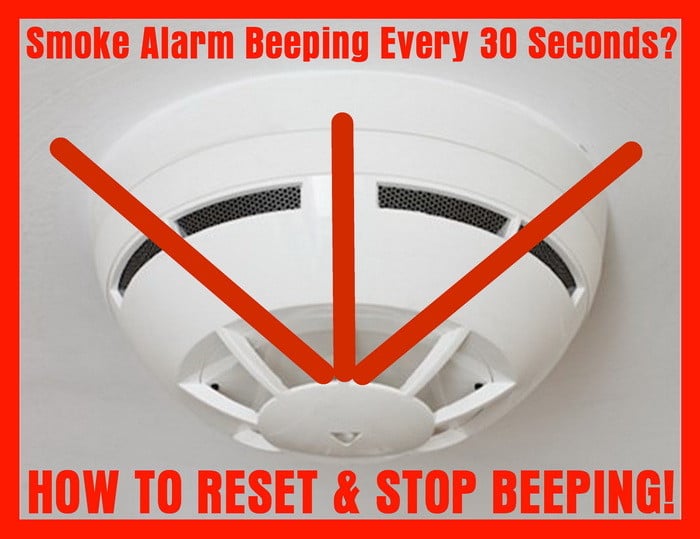
Smoke Detector Beeping Chirping 30 Seconds How To Reset? -
The "Real Deal" (Actual Smoke/Fire): This is the most critical scenario, and one where every second counts. If your smoke detector goes off with a loud, continuous alarm, and you see or smell smoke, or detect heat, then it's time to activate your pre-planned escape route. Do not investigate the fire! Your primary goal is to GET OUT, STAY OUT, and CALL 911 or your local emergency services from a safe location. Make sure everyone in your home knows at least two ways out of every room and has a designated outside meeting point.
Knowing what to do when your smoke detector beeps is a fantastic life skill. Test your detectors monthly, clean them every six months, and replace units that are older than 10 years. These simple steps ensure your vigilant guardian is always ready to protect you, turning a potential moment of dread into a quick, confident, and life-saving response.