
What To Do If Your Co2 Alarm Goes Off

Ever been chilling out, maybe sipping a cup of something warm, when suddenly – BEEP BEEP BEEP! A strange, insistent alarm pierces the calm? It’s not the fire alarm, not the smoke detector, and definitely not your phone. Could it be a CO2 alarm?
For many of us, the very idea of a CO2 alarm might sound a little… industrial, or perhaps like something out of a sci-fi movie. But these clever gadgets are becoming more common in all sorts of places, from your favorite craft brewery to some pretty high-tech home setups. And if one ever decides to have a little party in your vicinity, knowing what to do is actually pretty interesting, not scary at all!
What's the Big Deal with CO2 Anyway?
Okay, so let's get curious. Carbon dioxide, or CO2, is everywhere. We breathe it out, plants breathe it in – it’s a natural part of life! It’s not a nasty poison like carbon monoxide, which is a whole different beast. Think of CO2 like that really popular guest at a party. A few are great, liven things up. But if everyone decides to show up and pack into one tiny room, suddenly it’s a bit suffocating, right?
Must Read
That's kind of what happens with CO2 in an enclosed space. While it's not directly toxic in small amounts, too much of it can start to push out the oxygen we need to breathe comfortably. The alarm is simply a friendly heads-up that your air mix might be leaning a little too heavily on the CO2 side of things.
So, Why Would a CO2 Alarm Be Chirping at Me?
This is where the detective work begins! These alarms are often found anywhere CO2 is used or produced in larger quantities. Think about:

- Your local pub or restaurant: They often use CO2 tanks to make those bubbly sodas and dispense delicious draft beer. A leak in one of these lines can trigger an alarm.
- Indoor gardens or greenhouses: Some keen gardeners inject CO2 to help their plants grow bigger and better. If the system goes awry, the alarm steps in.
- Breweries or wineries: Fermentation naturally produces a lot of CO2. These places are absolutely vital for monitoring air quality.
- Even some advanced home setups: Like a high-tech aquarium with CO2 injection for plants, or perhaps a very serious homebrewing operation in a basement.
So, if you hear that distinct BEEP, it's not judging your life choices. It's just diligently reporting on the invisible gas levels around it. Pretty cool, huh?
My Alarm's Singing! What's My Chill Action Plan?
Alright, so the alarm is doing its thing. What's the relaxed, curious, yet effective response? It's much simpler than you might think!
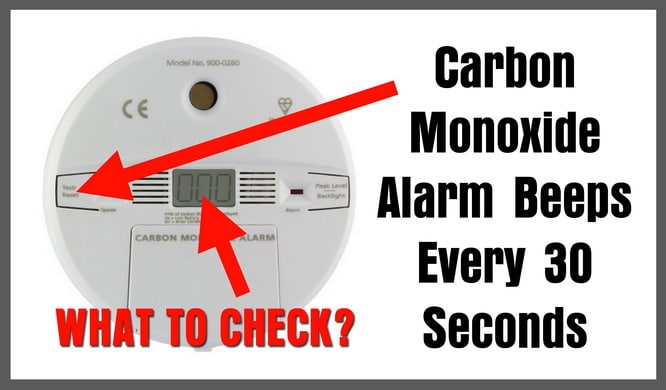
Step One: Don't Panic, Just Pause and Ponder.
An alarm is an alert, not an immediate catastrophe. Take a breath (preferably a fresh one!). Your curiosity should kick in before any fear.
Step Two: Seek Fresh Air – Your Body's Best Friend.
This is the most important and immediate action. If you're in a room where the alarm is going off, gently and calmly move to an area with plenty of fresh air. Open windows and doors on your way out if it's safe and easy to do so. Think of it like a gentle suggestion from Mother Nature: "Hey, maybe get a change of scenery for a bit!"
Step Three: Play Detective (From a Safe Distance).
Once you're in a well-ventilated space, your curious mind can start piecing things together. Was there a new CO2 tank recently? Any strange hissing sounds? Did someone leave a door open to a controlled CO2 environment?
Step Four: Notify the Right Folks.
This might be a facility manager, the business owner, or if you're truly unsure and concerned about a large leak, the non-emergency line of your local fire department. They have the right equipment and training to investigate safely. It's all about getting the experts involved to figure out what's causing the fuss.
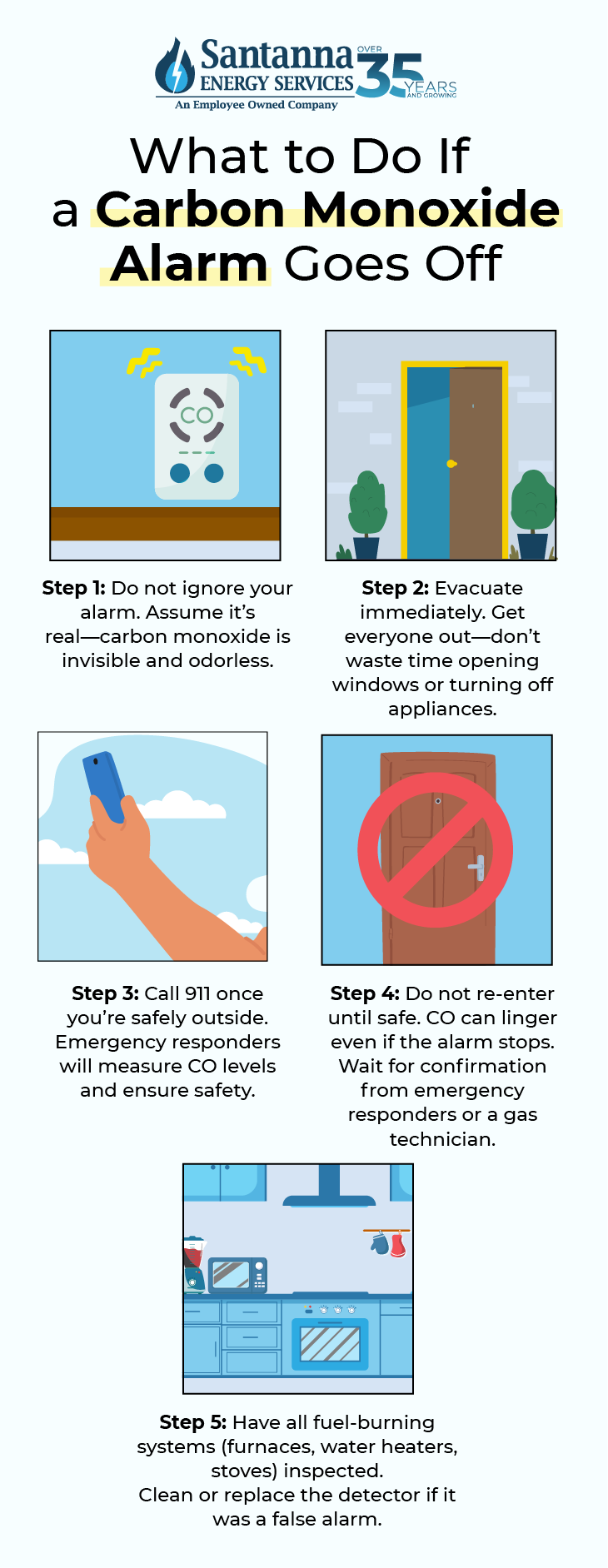
The Cool Science Behind It All
Isn't it fascinating how we’ve developed technology to literally "smell" an invisible gas that's essential for plants but can be problematic for us in confined spaces? These alarms typically use sensors that react to the concentration of CO2 in the air, giving us an early heads-up long before we'd ever feel any discomfort.
It’s a fantastic example of preventative safety and our growing understanding of atmospheric chemistry. It's like having a tiny, dedicated meteorologist constantly checking the local air quality just for you!
Embrace the Curiosity, Stay Safe!
So, if a CO2 alarm ever goes off near you, remember to keep that chill, curious mindset. It's an interesting phenomenon, a little nudge from science saying, "Hey, let's just make sure everything's balanced here." Take the simple steps, trust the tech, and appreciate another way our world is designed to keep us safe and sound.