
What To Do If Your Carbon Monoxide Alarm Goes Off

Okay, so picture this: You’re finally settling down for a chill evening. Maybe you’re binging that new show everyone’s talking about, or perhaps you’re attempting to bake something ambitious (and probably burning it, let’s be real). Suddenly, a piercing, insistent shriek erupts from somewhere in your home. Your heart leaps into your throat, you probably swear under your breath, and then you realize… it’s not the smoke detector this time. No, this particular symphony of terror is coming from that little gadget you bought, installed, and then promptly forgot about: your carbon monoxide alarm.
You know the one. The silent guardian, often tucked away, looking innocent. And now it’s decided to become a banshee. Most of us probably just stand there for a second, a little bewildered, thinking, "Oh, now what?" Because let's be honest, while we all know we should have one, what to actually do when it goes off isn't exactly common dinner party conversation. Until now, that is!
Okay, So Your CO Alarm Is Screaming... Now What?
First off, take a deep breath. No, seriously, try to. I know your brain is probably going a million miles an hour, but panicking isn't going to help anyone. The good news is, your alarm did its job! It detected something potentially nasty before it could turn into something much, much worse. Now it’s your turn to do yours.
Must Read
A typical carbon monoxide alarm will emit a series of four loud beeps, repeated every few seconds. It’s distinctly different from a smoke alarm’s continuous screech or three-beep pattern. This isn't a drill, folks. This isn't burnt toast. This is a heads-up that there might be an invisible, odorless, tasteless gas hanging out in your air, and trust me, you do not want it to get cozy.
Step 1: Evacuate, Like, Yesterday.
This is the most critical step. When that CO alarm goes off, your immediate, absolute priority is to get out of the house. Don't grab your phone for a quick selfie (tempting, I know), don't try to find your car keys unless they're right by the door, and for the love of all that is good, do not go looking for the source of the CO. Every second you spend inside is a second you're potentially inhaling a dangerous gas.
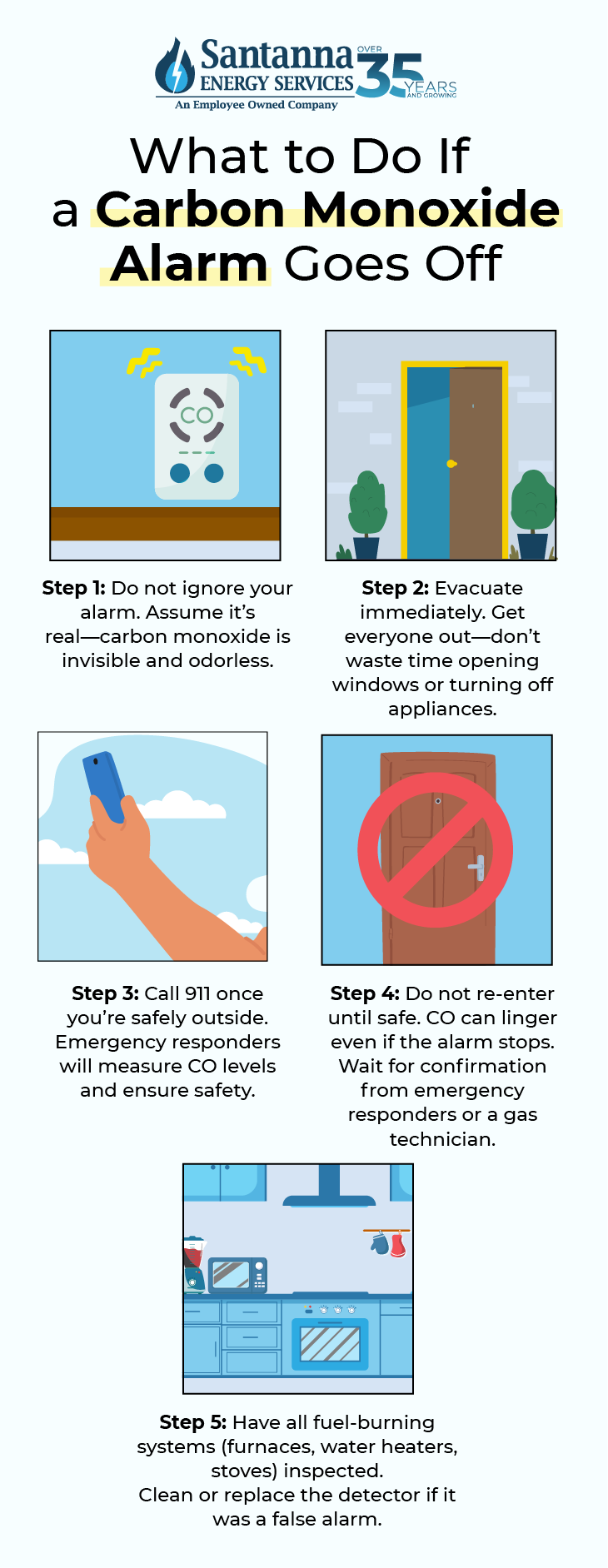
And yes, this includes everyone. Kids, pets, your grumpy roommate, the goldfish – scoop 'em up or usher 'em out. Gather at a neighbor’s house, or a safe outdoor spot a good distance away. The goal is to get fresh air into your lungs as quickly as possible. This isn't a suggestion; it's a non-negotiable order from your alarm, and now from me!
Step 2: Resist the Urge to Be a Hero (or a Ventilator).
I know what you're thinking: "Maybe I'll just open a few windows and doors inside, air the place out!" Do not do this. While ventilation is key, your priority is getting yourself out safely. Opening windows from inside means you're still exposed to the gas for longer. Get out, then you can worry about ventilation, but only once it’s safe to do so.

Step 3: Call for Backup – The Professionals.
Once you’re safely outside and a good distance away from your home, the next crucial step is to call 911 (or your local emergency number). Tell them your carbon monoxide alarm is going off. They'll dispatch the fire department or other emergency responders who are equipped with specialized detectors to measure CO levels safely. They're the experts, and they know how to handle this safely and effectively. This isn't a situation for DIY troubleshooting, trust me.
Step 4: Stay Out Until You Get the All-Clear.
Do not, I repeat, do NOT re-enter your home until emergency personnel have told you it’s safe to do so. They'll investigate the source of the CO, ensure levels have returned to normal, and advise you on any necessary repairs or next steps. It might be a false alarm (unlikely but possible), a faulty appliance, or something more serious. Let the pros figure it out.

Just a quick refresher on why this is so serious: Carbon monoxide is often called "The Silent Killer" for a reason. It's produced by burning fuels (think furnaces, gas stoves, fireplaces, cars) and can build up in enclosed spaces. It replaces oxygen in your blood, leading to symptoms like headaches, dizziness, nausea, and in severe cases, unconsciousness and death. You often won't even know it's affecting you until it's too late, which is why that loud, obnoxious alarm is your best friend!
A Quick Word on Prevention (Because An Ounce of It...)
While this article is about what to do if it goes off, it's worth a quick mention that prevention is key. Make sure your CO alarms are working (test them monthly!). Have your fuel-burning appliances (furnace, water heater, etc.) inspected annually by a qualified technician. And never, ever run a car in an enclosed garage. A little proactive care goes a long, long way.
So, there you have it. What to do when your CO alarm decides to make its grand, terrifying debut. Hopefully, you'll never have to use this information, but being prepared means you can act quickly and decisively if you ever do. Stay safe out there, friends, and give that little alarm a silent thank you next time you walk by it. It might just save your life. You got this!
