What To Do If Smoke Detector Is Beeping
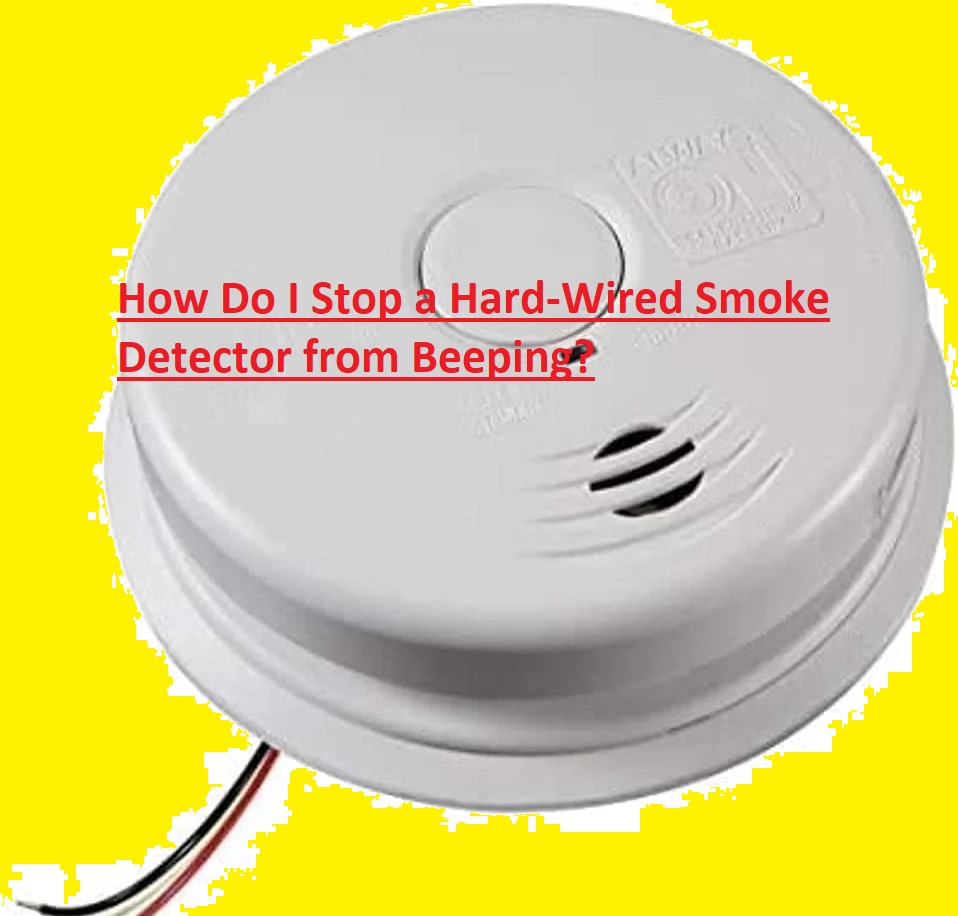
Ever been jolted awake by that infernal, insistent chirping from somewhere in your home? Or perhaps a sudden, piercing shriek sent your heart racing while you were just trying to make toast? Ah, the trusty smoke detector! While it might feel like a tiny domestic villain when it's making noise, understanding why it beeps and what to do is actually a remarkably empowering bit of knowledge. It's like learning the secret language of your house; suddenly, you're not just a resident, but a savvy interpreter, ready to tackle minor mysteries and, more importantly, ensure your home remains a safe haven.
At its heart, a smoke detector is your personal, always-on guardian angel against one of the most unpredictable dangers: fire. Its primary purpose is simple yet profound: to detect smoke, an early sign of fire, and alert you with an unmistakable sound. The benefits are immeasurable. It gives you precious extra seconds, even minutes, to react, implement your escape plan, and potentially save lives and property. Without these vigilant sentinels, fires can spread silently, turning minor incidents into major catastrophes. So, when it starts making noise, it's not trying to annoy you; it's just doing its vital job, perhaps even politely asking for a little attention.
You'll encounter your smoke detector "speaking" in a few different scenarios in daily life. Most commonly, it's that sporadic, single chirp every 30-60 seconds. This isn't an emergency, but rather a gentle (or not-so-gentle) plea: "My battery is low! Please change me!" It's a fantastic reminder that even our guardians need a little care. Other times, a more aggressive, continuous alarm might kick in. This could be due to something as innocent as an overly steamy shower, burnt popcorn, or cooking fumes. However, it's also the sound it makes during an actual fire, which is why it's crucial to know how to interpret and react swiftly and correctly.
Must Read
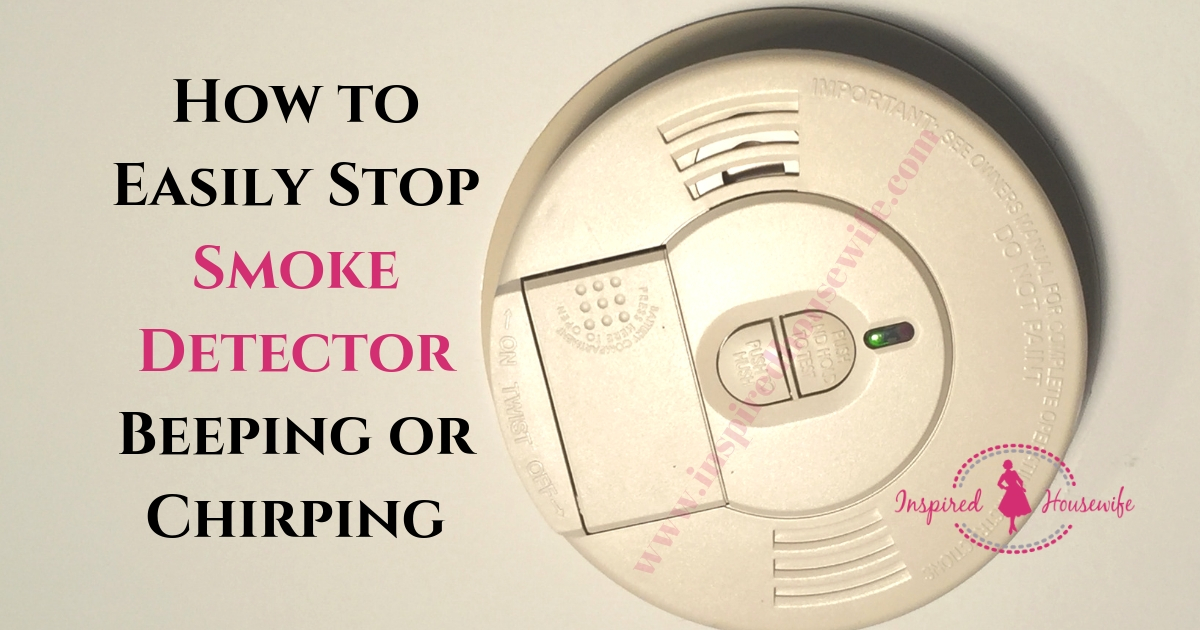
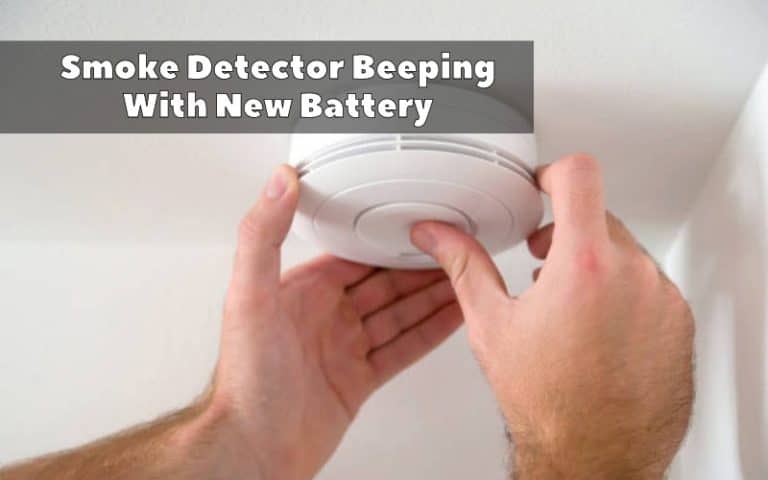
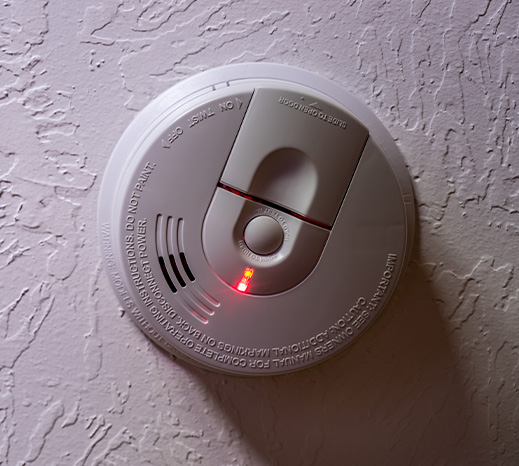
So, what are the practical tips for handling a chatty smoke detector? First, listen closely to the type of beep. If it's the intermittent chirp, locate the unit making the sound and replace its batteries immediately. Don't put it off! We often suggest changing them when daylight saving time begins and ends—it’s a simple, memorable routine. After replacing, always press the "test" button to ensure it's working. If it's a continuous alarm and you're certain there's no fire (e.g., you just microwaved something a bit too long), try pressing the "hush" or "reset" button. You can also clear the air by opening windows, using a fan, or fanning a towel near the detector to disperse the smoke or steam. However, if the alarm sounds and there's any suspicion of a real fire, don't hesitate. Follow your family fire escape plan, get everyone out of the house safely, and then call emergency services. It's always better to be safe than sorry!
To further explore and maintain this essential home safety tool, make it a habit to test your smoke detectors monthly by pressing the test button. This simple act confirms they're powered and functioning. Clean them periodically by gently vacuuming or wiping them to remove dust and cobwebs, which can interfere with their sensors. And remember, smoke detectors don't last forever; most have a lifespan of about ten years, so keep track of their installation date and replace them when due. By understanding these simple signals and taking proactive steps, you turn what might seem like an annoying beep into a reassuring whisper of safety.