
What To Do If Carbon Monoxide Alarm Beeps
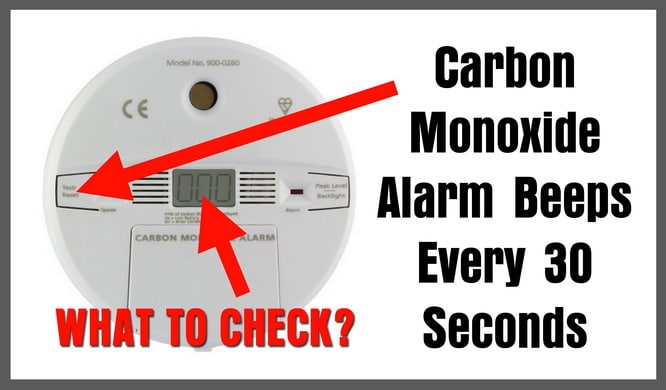
Okay, so picture this: You’re chilling, maybe binging your favorite show, or finally tackling that laundry mountain, when suddenly... BEEP! BEEP! BEEP! Not your microwave, not your phone. It’s that little round thing on the wall, and it’s screaming bloody murder. Your carbon monoxide alarm. Uh oh.
First off, deep breaths, friend. We’ve all been there, or at least imagined it. It's a jolt, right? Your mind probably races from "Is it just a low battery?" to "Am I about to become a news headline?" Let's clear the air (literally!) on what to do when that sneaky little device decides to throw a party.
What Even Is Carbon Monoxide?
Before we dive into crisis mode, a quick refresher. Carbon monoxide, or CO as the cool kids call it, is a gas. But not just any gas. It’s a silent killer. No smell, no taste, no color. Your nose won't tell you it's there, your eyes won't see it. That's why those alarms are literally lifesavers. They're like your home’s personal superhero, detecting danger when you can’t.
Must Read
It usually comes from things burning fuel – like your furnace, gas stove, water heater, or even a car running in an attached garage. If those things aren't venting properly, CO can build up. And trust me, you really don’t want it building up in your lungs. It basically kicks oxygen out of your red blood cells. Not cool, CO, not cool.
Alarm's Going Off? DON'T Panic (Too Much)
So, the alarm is wailing. Your heart is probably doing a little jig. Here’s the number one rule, etched in stone, folks: DO NOT IGNORE IT. Seriously. This isn't your smoke alarm going off because you toasted your bagel a little too aggressively. This is different. This is potentially life-threatening.

Your alarm isn't crying wolf. It's telling you there's a problem. And your job? To listen. Immediately.
Step 1: Get Everyone Out. Right Now.
This is the biggie. Your very first, immediate action needs to be evacuating the building. No dilly-dallying. No trying to find the source. No grabbing your prize-winning collectible spoons. Just go.

- Got kids? Scoop 'em up.
- Got pets? Grab Fido and Fluffy too! They're just as susceptible.
- Got roommates? Shout a warning on your way out the door.
Head straight outside. We're talking fresh air, baby! And stay there. Don't just pop your head out the door and then duck back in. Get a good distance away, to a place where you know the air is clear.
Step 2: Breathe Easy, Then Dial 911 (Or Your Local Emergency Number)
Once you’re safely outside, catching some lovely, oxygen-rich air, grab your phone. The next crucial step is to call emergency services. Yes, 911. Or whatever your local emergency number is. Don’t call your aunt, don't call your landlord, don't even call your super-handy friend who "knows everything about furnaces."
Tell them your carbon monoxide alarm is going off and you’ve evacuated the building. They'll send the pros – firefighters, usually – who have the proper equipment to test the air, find the source, and make sure it's safe to go back inside. They're the experts, not us armchair detectives!
What NOT To Do (Seriously, Don't)
There are a few "absolute no-nos" here:

- Don't re-enter your home until emergency personnel say it's safe. Period. Not even for a second to grab your phone charger.
- Don't try to troubleshoot the problem yourself. You're not a CO detection specialist. Leave that to the folks with the fancy gear.
- Don't just open windows and doors and assume that'll "air it out" and make everything fine. While ventilation helps, it doesn't solve the root cause, and the levels could still be dangerous.
- Don't assume it's a false alarm. Treat every alarm as genuine until proven otherwise by a professional.
"But What If It's Just a Low Battery Chirp?"
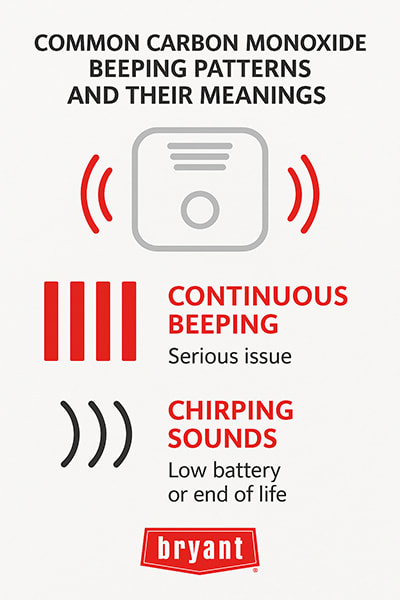
Ah, the classic confusion! Good question. Most CO alarms have two distinct sounds: a full-blown, ear-splitting alarm for actual CO detection, and a much gentler, usually intermittent, "chirp" for a low battery. Learn the difference for your specific model! If it’s the full-on, frantic beep-beep-beep, assume it’s CO. If it’s a polite chirp every 30 seconds or so, that’s your cue to change the batteries. But if you're ever in doubt, err on the side of caution and follow the evacuation steps.
Prevention is Key (And Easy!)
Once the dust settles (and the air clears!), let's talk about keeping this from happening again. Or, you know, at all:
- Install CO alarms: One on every level of your home, especially near sleeping areas.
- Test them regularly: Just like smoke detectors. Push that "test" button once a month!
- Change batteries: Twice a year, when you change your clocks for daylight saving time, is a good reminder.
- Maintain appliances: Get your fuel-burning appliances (furnace, water heater, fireplace, stove) inspected annually by a qualified professional. Make sure vents aren't blocked.
So, there you have it. That little alarm might be annoying, but it’s truly a hero. When it screams, listen. Get out. Call for help. And then, breathe that sweet, sweet fresh air, knowing you handled it like a pro. Better safe than sorry, right? Your lungs (and your peace of mind) will thank you.