
What To Do For Carbon Monoxide Alarm
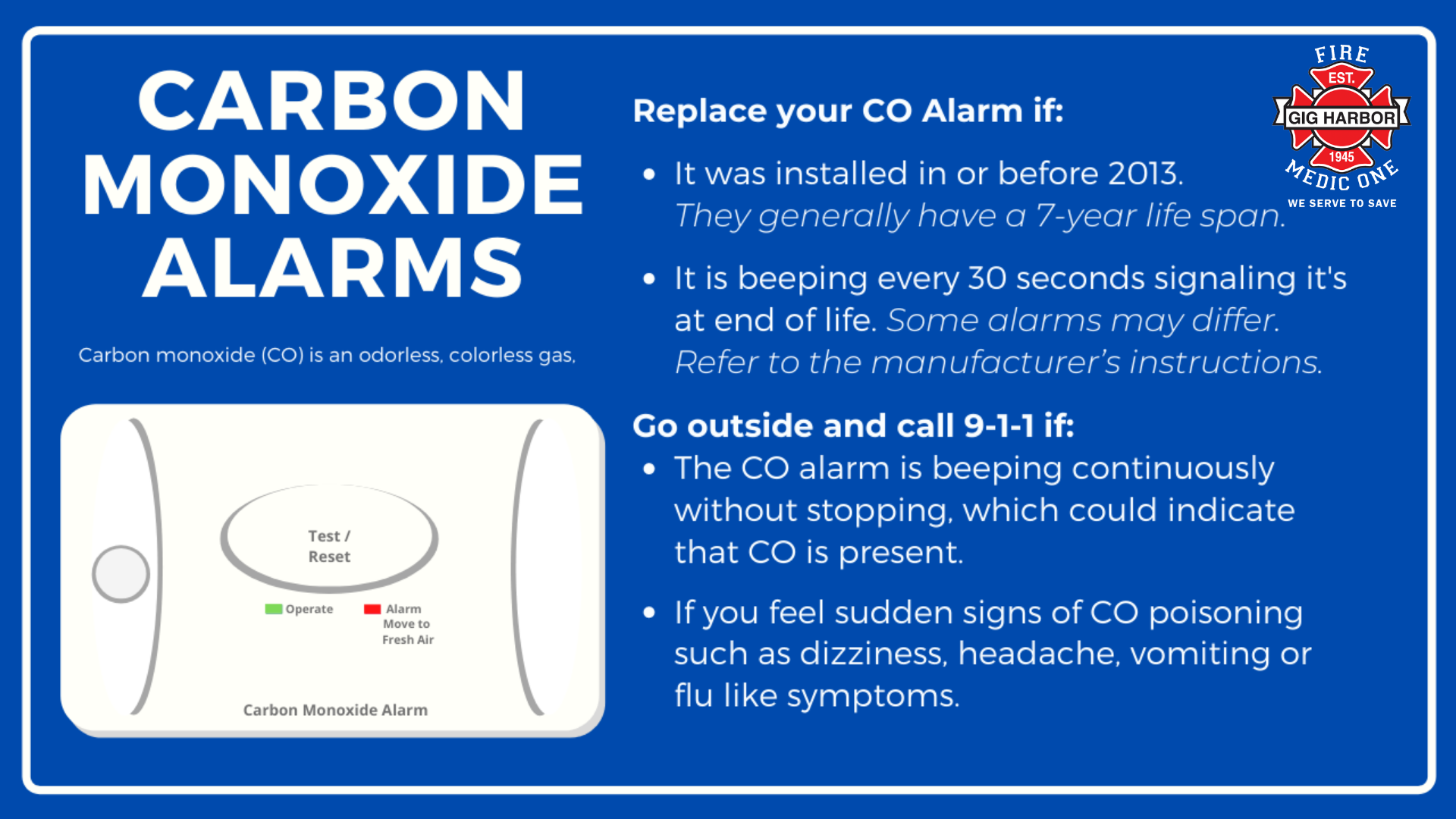
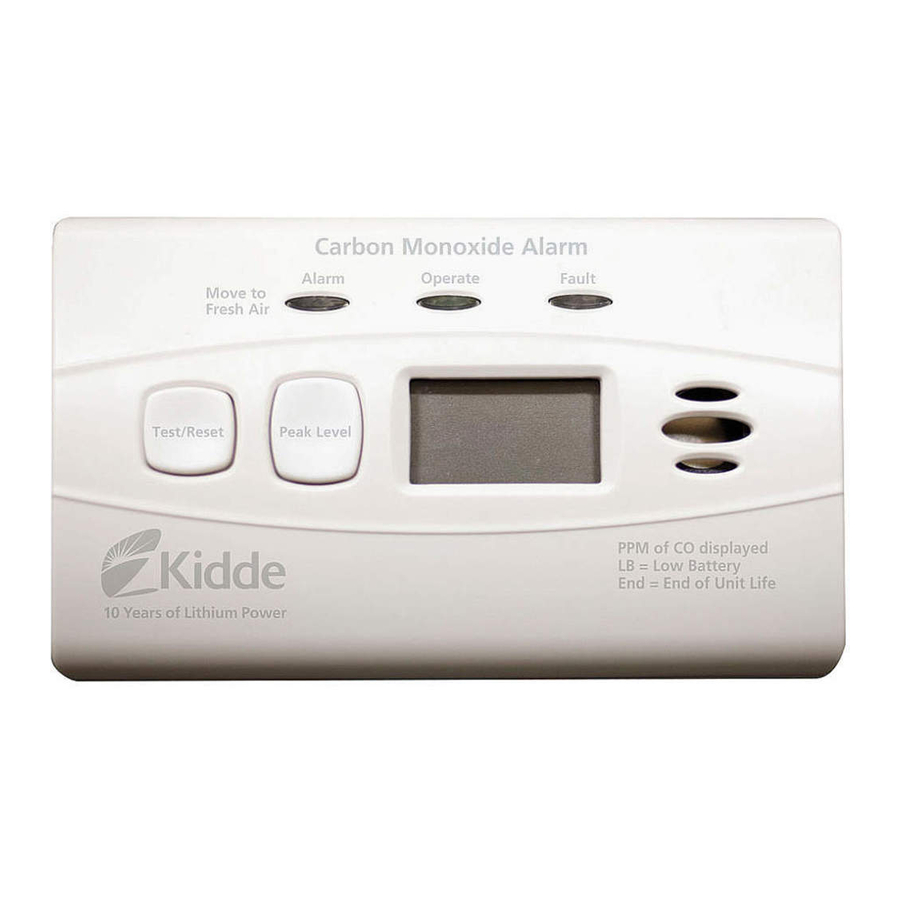
Okay, so picture this: You’re chilling at home, maybe binging your favorite show, whipping up a snack, or just enjoying some quiet time. Everything’s totally normal. Then, BEEP! BEEP! BEEP! A loud, insistent, probably slightly annoying sound starts blaring from somewhere in your house. It’s your carbon monoxide (CO) alarm, and for a split second, you might think, "Huh? What’s that even for?"
It’s easy to ignore those little gadgets until they make their presence known, right? But here’s the cool, and frankly, super important truth: that little alarm is a total lifesaver. Seriously. It’s like your house’s personal superhero, ready to sound the alert when an invisible, odorless, and utterly sneaky villain tries to sneak in. This villain, of course, is carbon monoxide.
So, what exactly is carbon monoxide? Think of it as the ultimate silent ninja. You can’t see it, you can’t smell it, you can’t taste it. It just… is. It’s a byproduct of burning fuels like natural gas, propane, wood, or gasoline – stuff we use every day in our furnaces, water heaters, cars, and fireplaces. When these things aren't burning properly, or if there isn't enough ventilation, CO builds up, and that’s when it becomes dangerous. It basically hijacks your red blood cells, preventing them from carrying oxygen, which is, you know, pretty essential for living!
Must Read
Your Alarm Just Went Off! Now What?
Alright, the alarm is wailing. Don't let your brain jump straight to panic mode! Instead, think of it as a helpful friend shouting, "Hey, something’s up! Let’s figure this out!" Your first, most crucial mission, like in any good spy movie, is to get out. And we mean right now.
Step 1: Evacuate, Evacuate, Evacuate!
Drop what you’re doing and head straight outside. Yes, even if you’re mid-sandwich. Even if your favorite show is at a cliffhanger. Your top priority is to get everyone – including pets! – out into the fresh air. Don't dilly-dally trying to find the source or grab your wallet. Just go. Imagine you've smelled something truly awful, like rotten eggs, but multiply that by a thousand because this "smell" could literally knock you out. Fresh air is your immediate antidote.
Once you’re outside, make sure everyone is accounted for. Maybe gather across the street at a neighbor's place, or just a safe distance away. The goal is to be in a place where you can breathe deeply and safely.
Okay, We're Outside. What's Next on the To-Do List?
You've successfully completed the evacuation. High five! Now, it's time for step two, and it’s equally important.

Step 2: Call the Cavalry (aka Emergency Services)!
From a safe spot outside (not from inside your potentially CO-filled home!), grab your phone and dial 911 or your local emergency number. Explain that your carbon monoxide alarm is going off. These folks are the true experts, equipped with special gear to detect CO levels safely. They’re like the highly trained detectives who can actually "see" the invisible threat. Don't try to be a hero and investigate yourself; leave it to the pros.

Step 3: Stay Out, Stay Safe!
This might sound obvious, but it’s worth repeating: do not go back inside until emergency personnel give you the all-clear. Even if the alarm stops beeping (it might if the air clears slightly, or if the battery dies), the danger could still be there. Think of it like a "quarantine zone" until the experts have given it the thumbs-up. They’ll assess the situation, locate the source of the CO, and make sure it's safe before anyone steps foot back inside.
The Pros Are Here! What Happens Now?
When the emergency services arrive, they'll use their specialized detectors to check the CO levels. If there's an issue, they'll work to find the source. What are some common culprits? Often, it’s an appliance like a furnace, water heater, gas stove, or even a fireplace that isn't venting properly or is malfunctioning. Blocked chimneys, damaged exhaust vents, or even using a gas grill indoors can also be sources. They’ll also ventilate your home, getting that nasty CO out and ushering in fresh, clean air.

Once the source is identified and the problem fixed (often by a qualified technician recommended by the emergency services, like an HVAC specialist or plumber), they’ll let you know when it’s safe to return. It’s crucial to get that faulty appliance repaired or replaced before you resume normal life at home.
The Coolest Part: Prevention!
Alright, so we’ve talked about what to do when things go south. But let’s flip it! What’s even cooler than reacting quickly? Being prepared, like a super-savvy homeowner! Here’s how you can make sure your CO alarm never has to play its hero tune:
- Install Those Alarms: Make sure you have CO alarms on every level of your home, especially near sleeping areas. Think of them as tiny, ever-vigilant guardians.
- Test Them Regularly: Just like smoke detectors, hit that "test" button every month. It’s a quick little check to ensure your hero is ready for action.
- Annual Check-ups: Get your fuel-burning appliances (furnace, water heater, etc.) inspected annually by a qualified professional. This is like giving your car a tune-up; it keeps everything running smoothly and safely.
- Clear Vents: Make sure outdoor vents for your dryer, furnace, and water heater aren't blocked by snow, leaves, or bird nests. Think of them as the "lungs" of your house!
Understanding what to do when your carbon monoxide alarm sounds isn’t about being scared; it’s about being smart and empowered. That annoying beep is really just a friendly shout-out, a warning from your personal home guardian, telling you to take quick, decisive action. And knowing what to do in those moments? Well, that makes you the real superhero!