What Temperature Should You Set Air Conditioner

Ah, the sweet relief of stepping into a cool, air-conditioned space on a sweltering day. Let's face it, in many parts of the world, air conditioning isn't just a luxury; it's a necessity. We rely on it to escape the oppressive heat, to sleep soundly through humid nights, and to generally avoid becoming a sweaty, grumpy mess. Who hasn't cranked up the AC after a long day at work or welcomed the cool blast when entering a store from the scorching outdoors?
The benefits of air conditioning extend far beyond simple comfort. It helps regulate our body temperature, preventing heatstroke and exhaustion, especially important for the elderly and young children. It can also significantly improve air quality by filtering out dust, pollen, and other allergens, providing much-needed relief for allergy sufferers. Moreover, in professional settings, a comfortable temperature can boost productivity and focus, contributing to a more efficient work environment. Think about hospitals, offices, and even your own home office – air conditioning plays a crucial role in maintaining a healthy and productive atmosphere.
We see air conditioning everywhere! From central AC systems in homes and offices to window units in apartments and portable coolers in smaller spaces, the options are diverse and readily available. You'll find it in cars, buses, trains, and even some outdoor venues. It's so ingrained in our modern lives that we often take it for granted – until it breaks down, that is! Then, suddenly, we truly appreciate the vital role it plays.
Must Read
But here's the million-dollar question: what's the ideal temperature setting for your air conditioner? There's no one-size-fits-all answer, but here are some practical tips to help you enjoy your AC more effectively and efficiently:
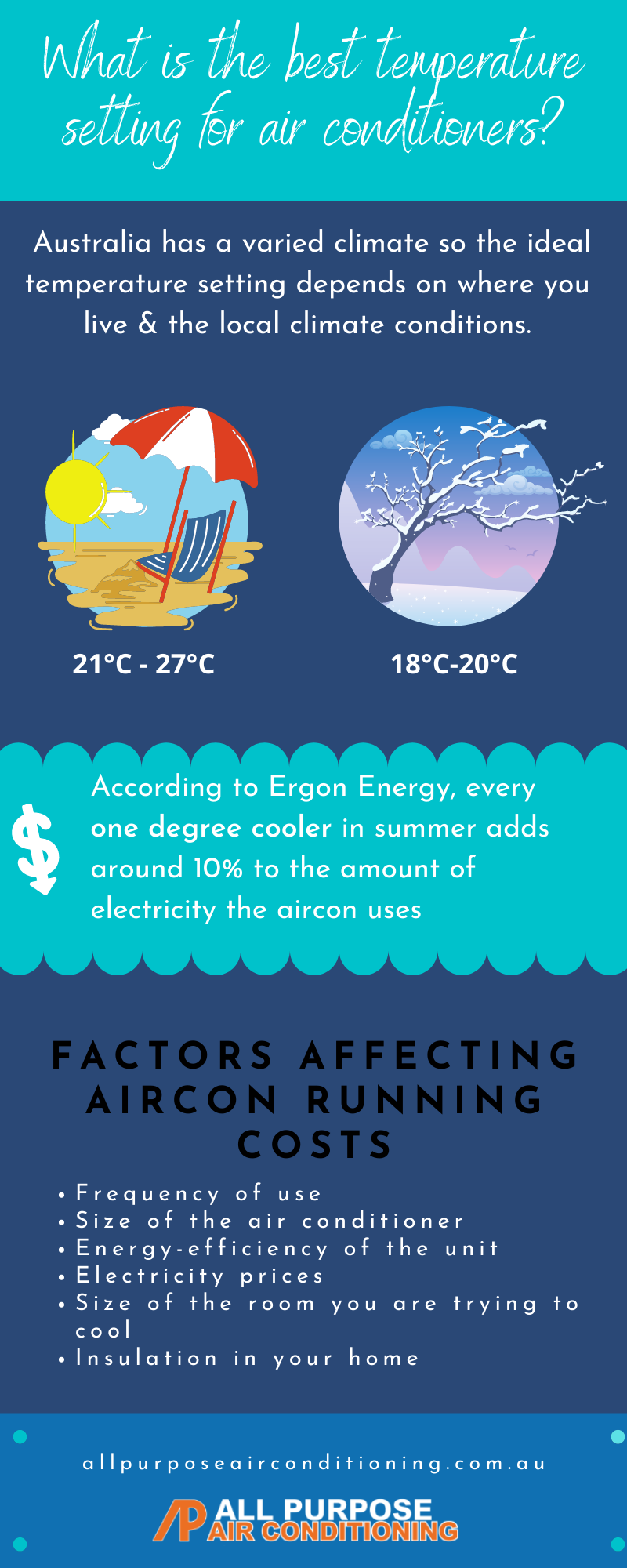
- Find Your Sweet Spot: The Department of Energy recommends 78°F (26°C) when you're home. This is a good starting point. Experiment to find the temperature that's comfortable for you without overworking your unit.
- Consider Energy Efficiency: Every degree you lower your thermostat can increase your energy consumption. Bump it up a few degrees when you're away or asleep. Smart thermostats can automate this process.
- Use Fans Strategically: Ceiling fans and oscillating fans help circulate the cool air, allowing you to set your thermostat a few degrees higher. They create a wind-chill effect that makes you feel cooler.
- Seal Your Home: Prevent air leaks by sealing windows and doors. Proper insulation is crucial for maintaining a consistent temperature and reducing energy waste.
- Regular Maintenance is Key: Clean or replace your air filter regularly (usually every 1-3 months). This improves air quality and helps your unit run more efficiently. Schedule annual maintenance to ensure optimal performance.
- Don't Overcool: Avoid the temptation to blast the AC down to arctic temperatures. Not only is it wasteful, but it can also shock your system when you step back outside into the heat.
Ultimately, the best temperature setting is the one that balances your comfort with energy efficiency. By following these tips, you can enjoy the cool relief of air conditioning without breaking the bank or contributing unnecessarily to energy consumption. So, experiment, adjust, and find your perfect temperature zone. Stay cool, friends!