
What Temperature Should You Put Your Heating On
Okay, so let's talk about the great heating dilemma, shall we? Because, honestly, it's a whole thing. One minute you're shivering, dreaming of a tropical beach, the next you're sweating, wondering if you just accidentally set your home to "sauna mode." And don't even get me started on the energy bills. Gulp.
So, what's the magic number? The mystical temperature that keeps you cozy without making your wallet weep? The truth is, there isn't one. I know, I know. Disappointing, right? But it's actually kind of liberating! It means it's all about you and your cozy bubble.
Your Personal Comfort Zone: It's All Relative!
First things first: what feels good to you? Are you someone who practically lives in a chunky knit sweater from October to April? Or do you wander around in shorts year-round, regardless of the frost outside? Your personal thermostat setting is a dance between internal warmth and external chill.
Must Read
Most experts (the serious ones who actually study this stuff, not just your perpetually cold Aunt Mildred) suggest somewhere between 18°C and 21°C (64°F and 70°F) during the day. This range is generally considered comfortable for most people without being excessively expensive. But hey, if you're feeling a bit nippy at 20°C, maybe bump it up a notch. Or, better yet, throw on some fluffy socks! Seriously, they're a game-changer.
The Cost Conundrum: Every Degree Counts!
Alright, let's address the elephant in the room – or rather, the constantly running boiler in the basement. Energy bills. Ugh. This is where those extra degrees really start to add up. Each degree you crank up your thermostat can increase your heating bill by a surprising amount, often around 3-5%. Yes, you read that right. Three to five percent! It's like a tiny energy goblin doing a happy dance every time you nudge that dial higher.

So, if you want to keep those pennies (or pounds, or dollars) in your pocket, aiming for the lower end of that comfortable scale is a smart move. Think of it as a financial hug for your future self.
Health & Home: More Than Just Feeling Warm
It's not just about comfort and cost, though. Your heating temperature can actually affect your health and home environment too!
Too Cold?
Being too cold isn't just unpleasant; it can make you more susceptible to colds and flu. Plus, a consistently cold home can lead to issues like dampness and mould, especially in poorly insulated areas. Nobody wants fuzzy walls, right?

Too Hot?
On the flip side, an overly warm house can feel stuffy and dry. It can dehydrate you, irritate your sinuses, and make it harder to sleep soundly. Ever woken up in a sweat during winter? Not ideal. For sleeping, many people find a slightly cooler temperature – around 16-19°C (60-66°F) – to be optimal for restorative rest.
Smart Strategies for a Snug & Savvy Home
So, how do you find your personal sweet spot without breaking the bank or turning into a human icicle?
-
Start Low, Go Slow: Begin at, say, 18°C. Live with it for a day. If you're still shivering, nudge it to 19°C. Find your personal minimum comfort level and stick to it. Don't just blast it to 25°C because you're cold – that's a recipe for overspending!
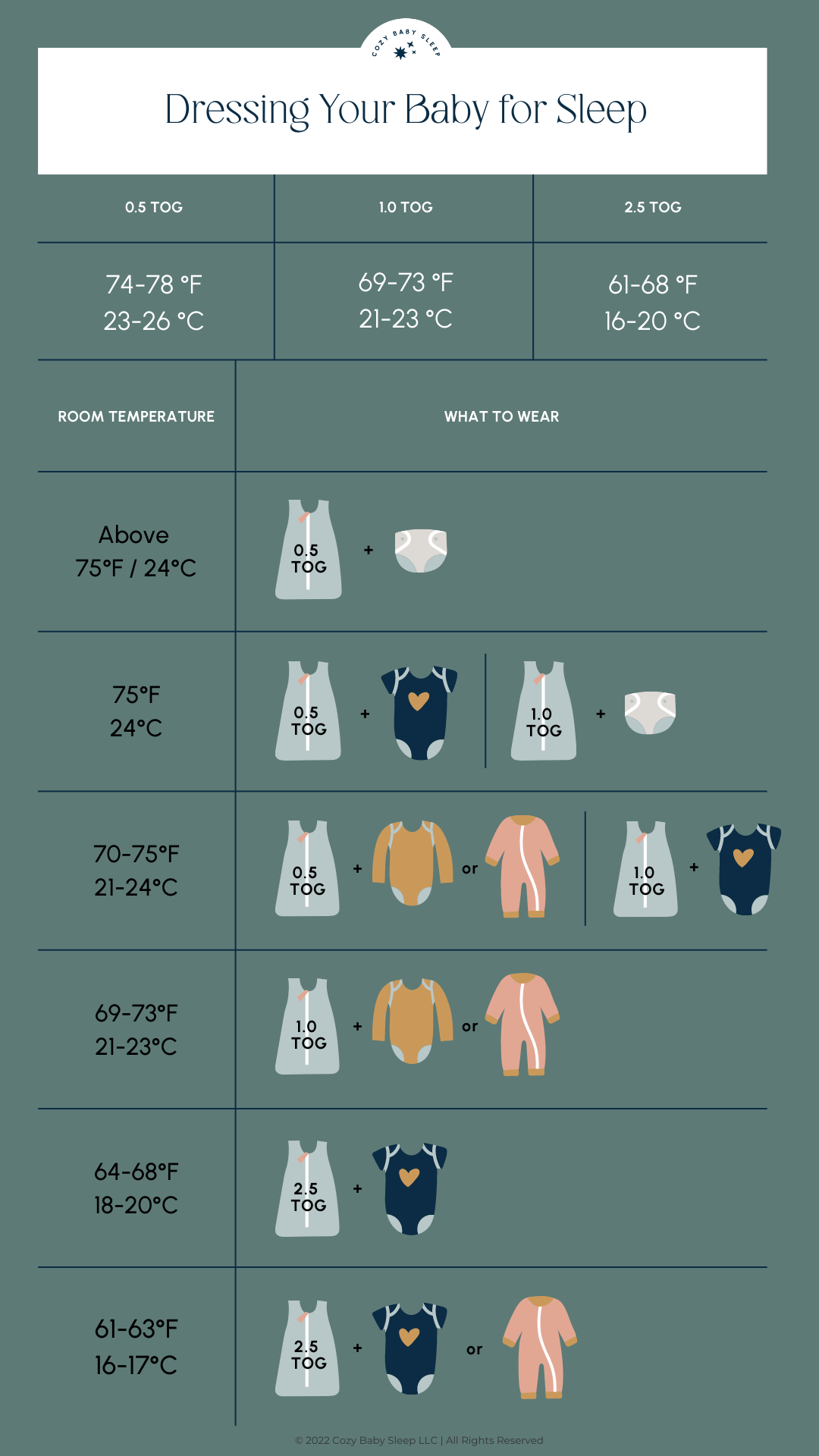
dressing baby temperature | Dresses Images 2025 -
Layer Up, Buttercup: This is my absolute favorite tip. Before you touch that thermostat, throw on a hoodie. Grab a blanket. Drink a hot cuppa. Sometimes, a simple extra layer is all you need to bridge that tiny gap between "brrr" and "ahh."
-
Zone In (If You Can): Do you really need to heat the guest bedroom that hasn't seen a guest since Christmas 2019? If you have a smart thermostat or zoned heating, focus the warmth on the rooms you actually use. It's like giving your heating system a little brain.
-
Night & Away: You don't need your home to be tropical when you're tucked under a duvet or out living your best life. Set your thermostat to drop a few degrees at night or when you're out. Modern thermostats can be programmed, or even controlled from your phone! Fancy!

What Temperature Should You Set Your AC to in Summer? A Minnesota -
Mind the Gaps: Drafts are energy vampires. Seal up those sneaky gaps around windows and doors. You'd be amazed how much warmth escapes (and cold air sneaks in) through tiny cracks.
The Takeaway: Your Home, Your Rules!
Ultimately, there's no single "correct" temperature for everyone. It's a delightful blend of personal preference, financial common sense, and a dash of environmental awareness. The goal is to be comfortably warm, not roasting, not freezing. Find your sweet spot, embrace those cozy layers, and keep an eye on those energy bills.
Happy heating, my friend! May your home be warm and your wallet be happy.