What States Is It Illegal To Have A Police Scanner
Ever felt that thrill of knowing something before anyone else? Maybe you're fascinated by the inner workings of your community, or perhaps you're a news junkie always on the lookout for a scoop. For many, that thrill comes from listening to a police scanner. But before you crank up the volume and dive into the world of emergency broadcasts, a crucial question arises: is it even legal where you live?
Why the fascination with scanners? For many, it’s about staying informed. A police scanner can be your early warning system, alerting you to traffic accidents, fires, or even potential criminal activity in your neighborhood. Think of it as a real-time news feed, providing unfiltered information straight from the source. It allows you to be proactive, taking alternate routes to avoid traffic jams caused by accidents, or being extra vigilant if there's a report of suspicious activity nearby.
Beyond personal awareness, scanners serve a vital purpose. Journalists often rely on them to be first on the scene of breaking news. Emergency responders, even off-duty, might monitor channels to stay informed about developing situations. And let's not forget the amateur radio enthusiasts who enjoy the technical aspect of scanning and the community it fosters. The ability to listen in can even be a form of civic engagement, allowing citizens to hold authorities accountable by observing their responses to various situations.
Must Read
Common examples of scanner use abound. During severe weather, listening to emergency channels can provide critical information about evacuation orders and shelter locations. Parents might use them to stay informed about events happening near their children's schools. And during large public gatherings, a scanner can give you a sense of the overall security situation.
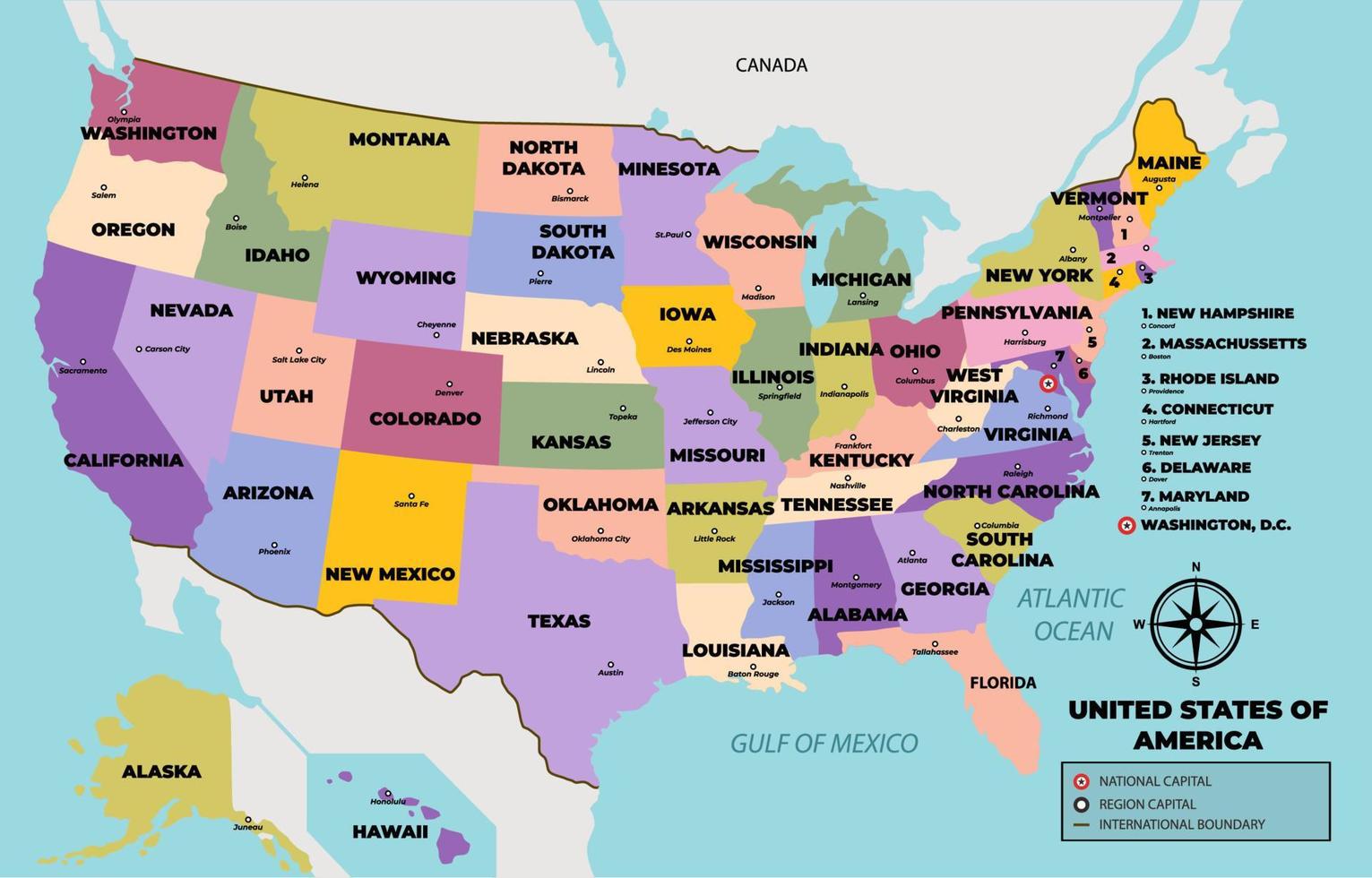
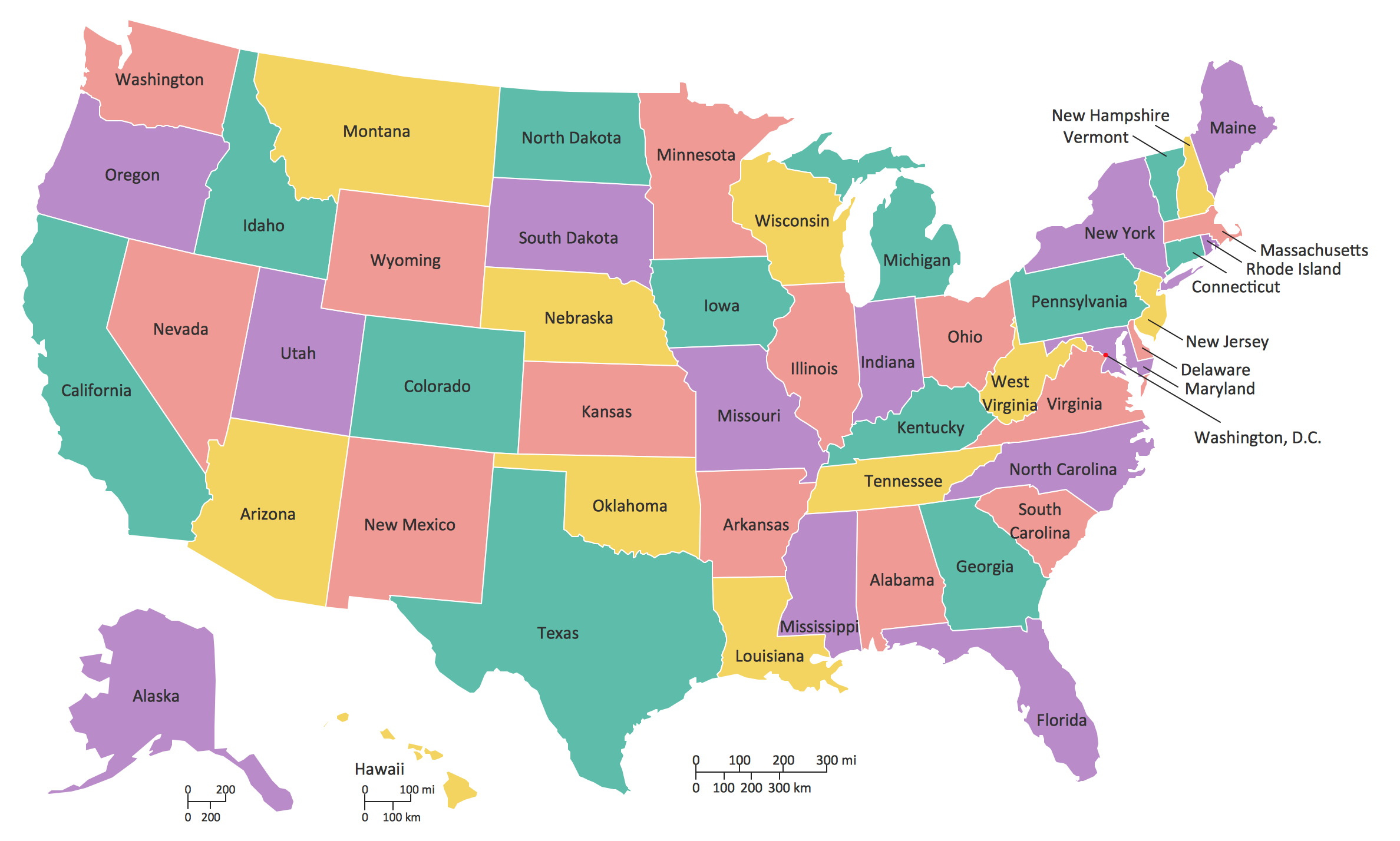
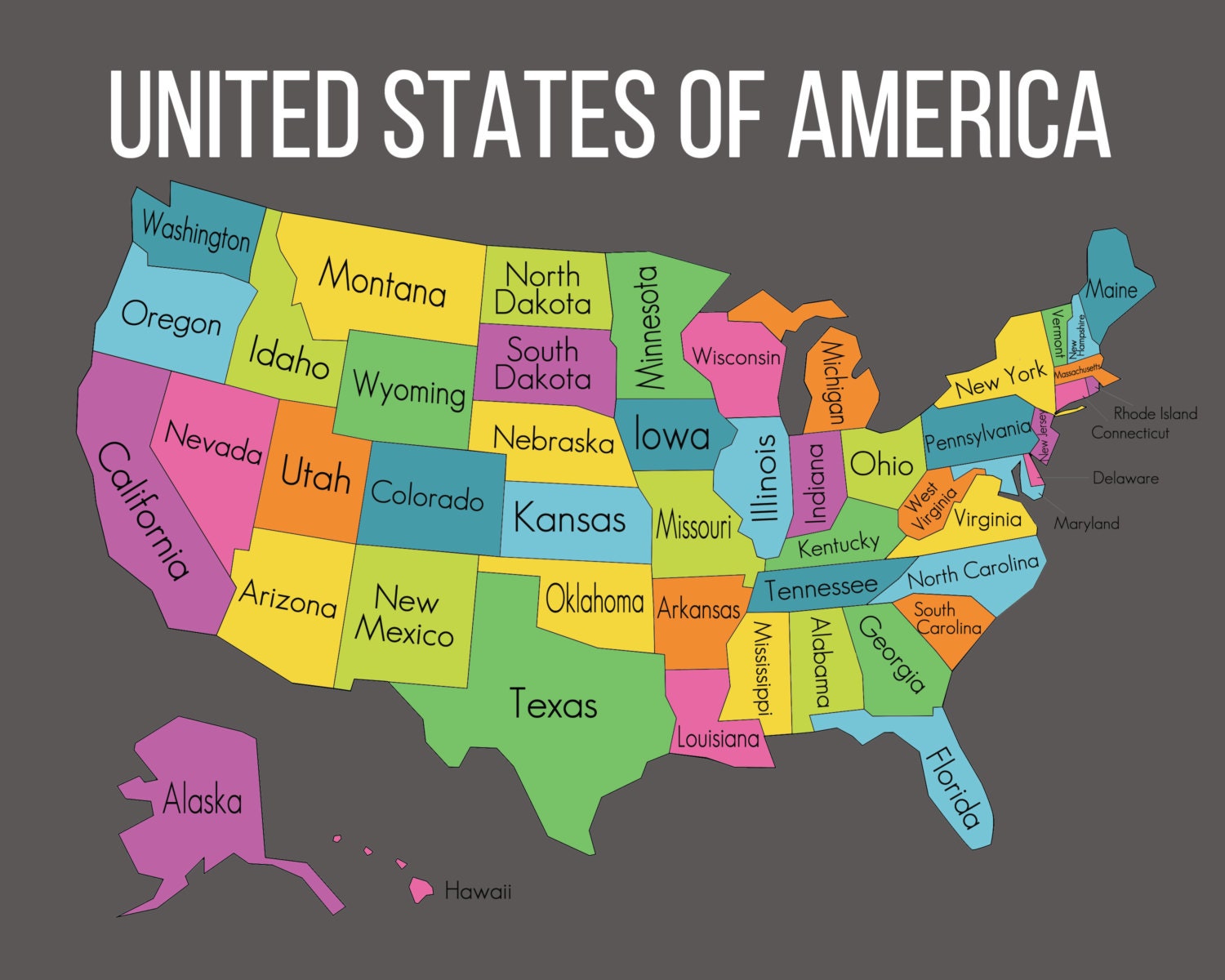
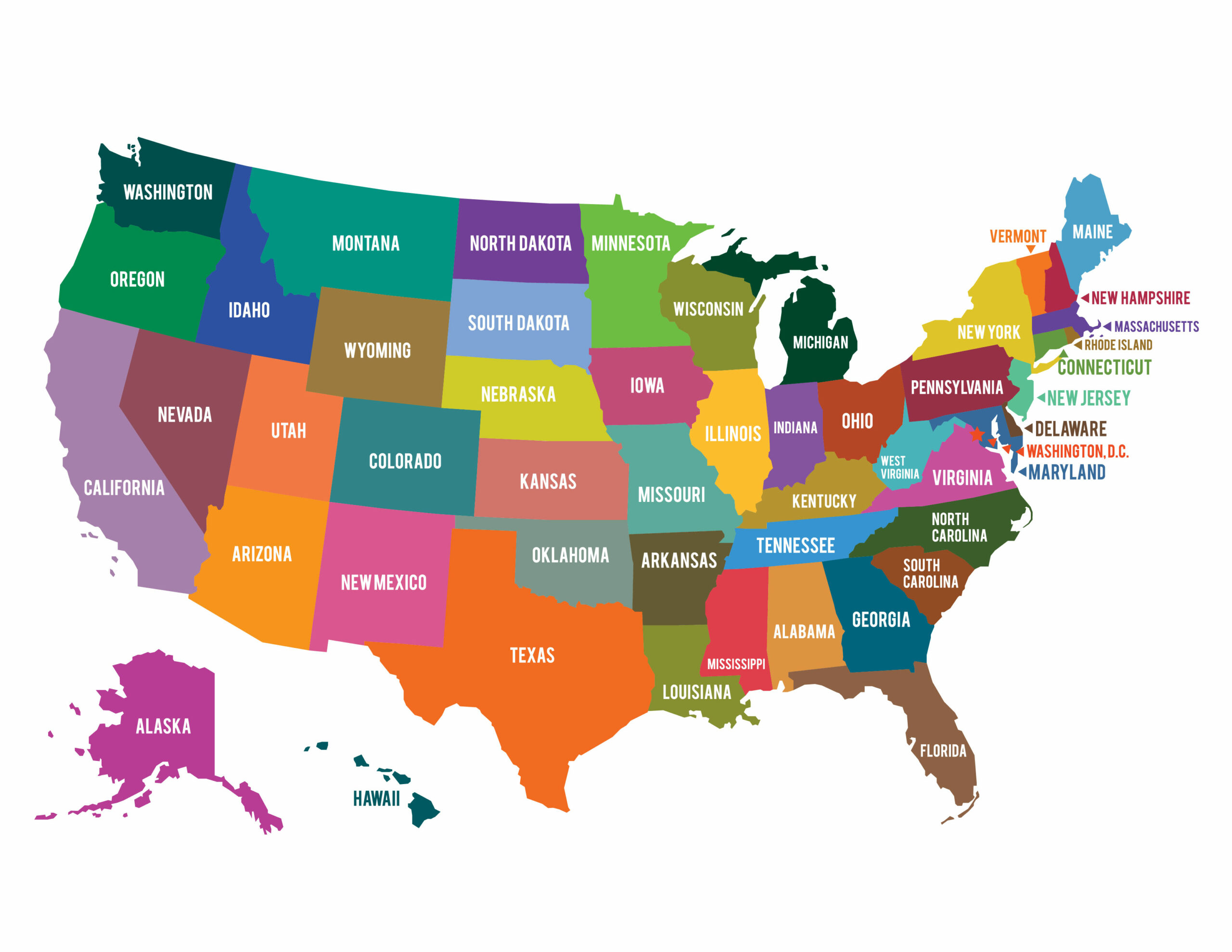
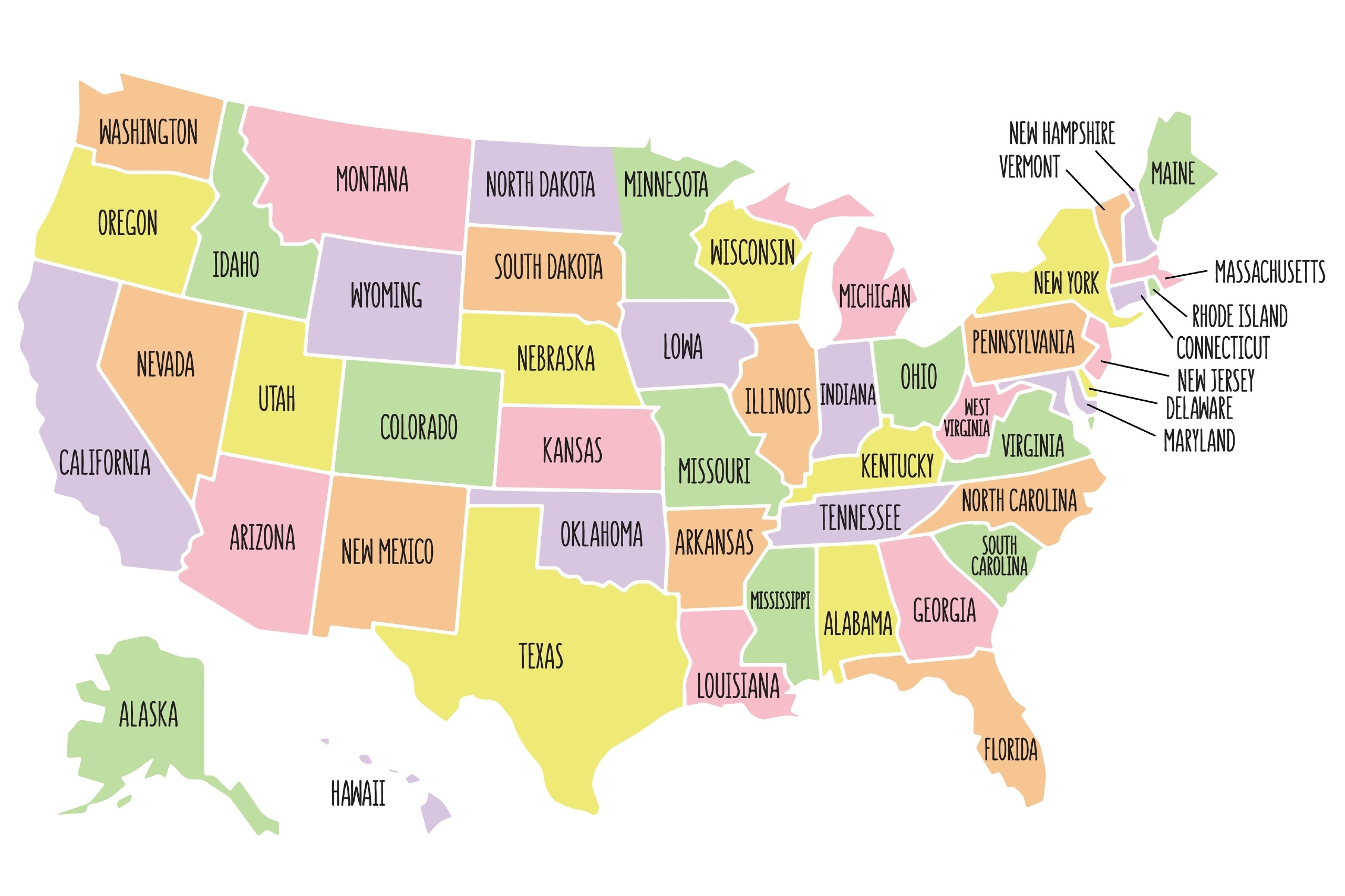
So, what about the legality? Here's the catch: the legality of owning and operating a police scanner isn't a straightforward "yes" or "no" answer. Federal law generally permits the sale and possession of scanners. However, state and local laws can impose restrictions. Currently, there are no states where it is completely illegal to own a scanner. However, some states have restrictions on using a scanner while committing a crime, using it to further a criminal act, or in the commission of a crime.
But the restrictions don’t end there. Even in states where ownership is legal, using a scanner to aid in criminal activity is almost always illegal. And be aware of federal regulations regarding transmitting on frequencies you are not licensed to use. Broadcasting information you hear on a scanner, especially if it interferes with official communications or compromises an investigation, can land you in serious trouble.
If you're looking to dive into the world of scanning, here are a few tips for maximizing your enjoyment and staying on the right side of the law: First, research your local and state laws thoroughly. Don't rely on hearsay. Consult official government websites or legal professionals. Second, invest in a quality scanner. A better scanner will provide clearer reception and access to a wider range of frequencies. Third, learn the lingo. Police and emergency personnel use specific codes and jargon. Understanding these terms will help you better interpret what you're hearing. Finally, be responsible. Use your scanner for information and awareness, not for illegal activities or to spread misinformation.
Police scanners offer a fascinating glimpse into the world of emergency services and public safety. By staying informed, respecting the law, and using your scanner responsibly, you can enjoy this hobby and contribute to a more informed community.