What Size Wire For 50 Amp 220v

Ever felt that satisfying surge of power when your RV hums to life at a campsite, or your electric vehicle charger seamlessly delivers juice to your ride? Perhaps you're dreaming of a home workshop capable of running heavy-duty machinery, or a new electric range that can handle a holiday feast without a hitch. These moments, where modern convenience meets robust capability, often rely on a crucial unsung hero: the humble electrical wire. But not just any wire! When you're dealing with serious power – specifically, a 50 Amp 220V circuit – choosing the right size wire isn't just about functionality; it's about safety, efficiency, and peace of mind.
This kind of power isn't for your average lamp. A 50 Amp 220V circuit is the backbone for some of life's most demanding electrical needs. Think about it: it's what powers your RV's entire electrical system, allowing you to run AC, microwaves, and more simultaneously. It's the muscle behind many Level 2 electric vehicle chargers, significantly cutting down on charging times. In your home, it's often dedicated to hefty appliances like high-end electric ranges, large clothes dryers, or tankless water heaters. For hobbyists and professionals alike, it brings powerful welders, large air compressors, or woodworking equipment in a garage or workshop to life. Getting it right means your gear runs smoothly and reliably, without tripping breakers or, worse, creating dangerous conditions.
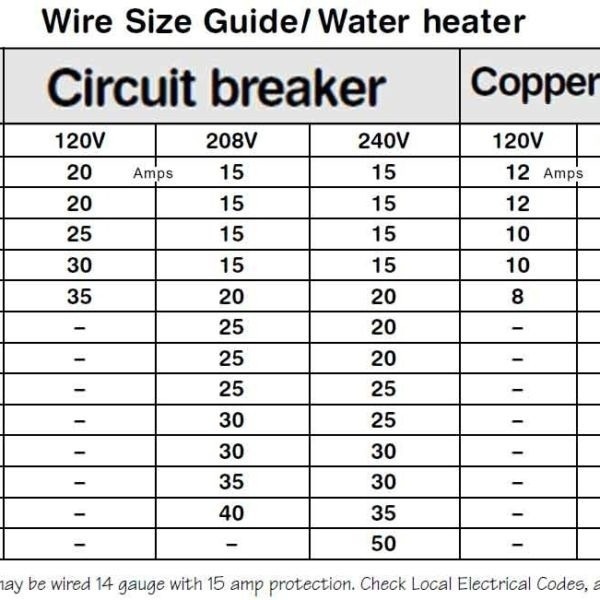
So, you’ve got a project requiring a 50 Amp 220V supply. The burning question on every savvy DIYer or homeowner's mind is: "What size wire do I need?" Drumroll, please… for most standard residential and light commercial applications, you're looking at 6 AWG (American Wire Gauge) copper wire. If you're considering aluminum wire (which is less common for branch circuits but sometimes used for feeders), you'd typically jump up to 4 AWG aluminum wire. Remember, the smaller the AWG number, the thicker the wire, and the more current it can safely carry. A 6 AWG copper wire is perfectly sized to handle the 50 Amps without overheating, ensuring your appliances get the power they need safely.
Must Read
To truly "enjoy" this power effectively and safely, there are a few practical tips to keep in mind. First, while 6 AWG copper is the general rule, factors like distance and ambient temperature can influence the ideal size. For exceptionally long runs (e.g., hundreds of feet to a detached garage), voltage drop might necessitate a slightly larger wire to maintain efficiency. Always opt for wire with an appropriate insulation temperature rating, typically 75°C or 90°C, especially in conduits or warmer environments. Furthermore, understanding the difference between THHN, THWN, and Romex (NM-B) cable types is helpful, as each has specific applications and installation methods. Overlooking these details can lead to decreased performance or, more critically, safety hazards. Remember, an undersized wire is a fire hazard waiting to happen, while an oversized wire is just an expensive, difficult-to-install hassle.
Ultimately, the joy of a robust 50 Amp 220V circuit comes from its flawless and safe operation. While knowing "6 AWG copper" is a fantastic start, the true secret to enjoying this level of electrical power is always prioritizing safety and code compliance. Before you cut, strip, or connect, remember to turn off the power at the main breaker! And when in doubt, or if you're not fully comfortable with electrical work, do yourself a favor: consult a qualified, licensed electrician. They can ensure your installation adheres to local electrical codes (which can vary!), uses the correct materials, and provides the safe, reliable power you expect. Happy powering!