What Size Tire Is Equivalent To A 35

Alright, gearheads and weekend adventurers, let's talk tires. Specifically, that iconic "35" – as in, "I need a 35-inch tire for my rig." It's a badge of honor for off-road enthusiasts, a statement of intent, and a visual cue that says, "I'm ready for anything." But what exactly does that 35 translate to in the more… uh… civilized world of metric tire sizes? And why should you even care?
Well, buckle up, because we're about to demystify the 35-inch tire and explore its metric equivalents. It's not just about bragging rights; understanding tire sizing is crucial for safety, performance, and preventing that awkward "Oops, this doesn't fit!" moment at the tire shop.
Decoding the "35" – It's Bigger Than Just a Number
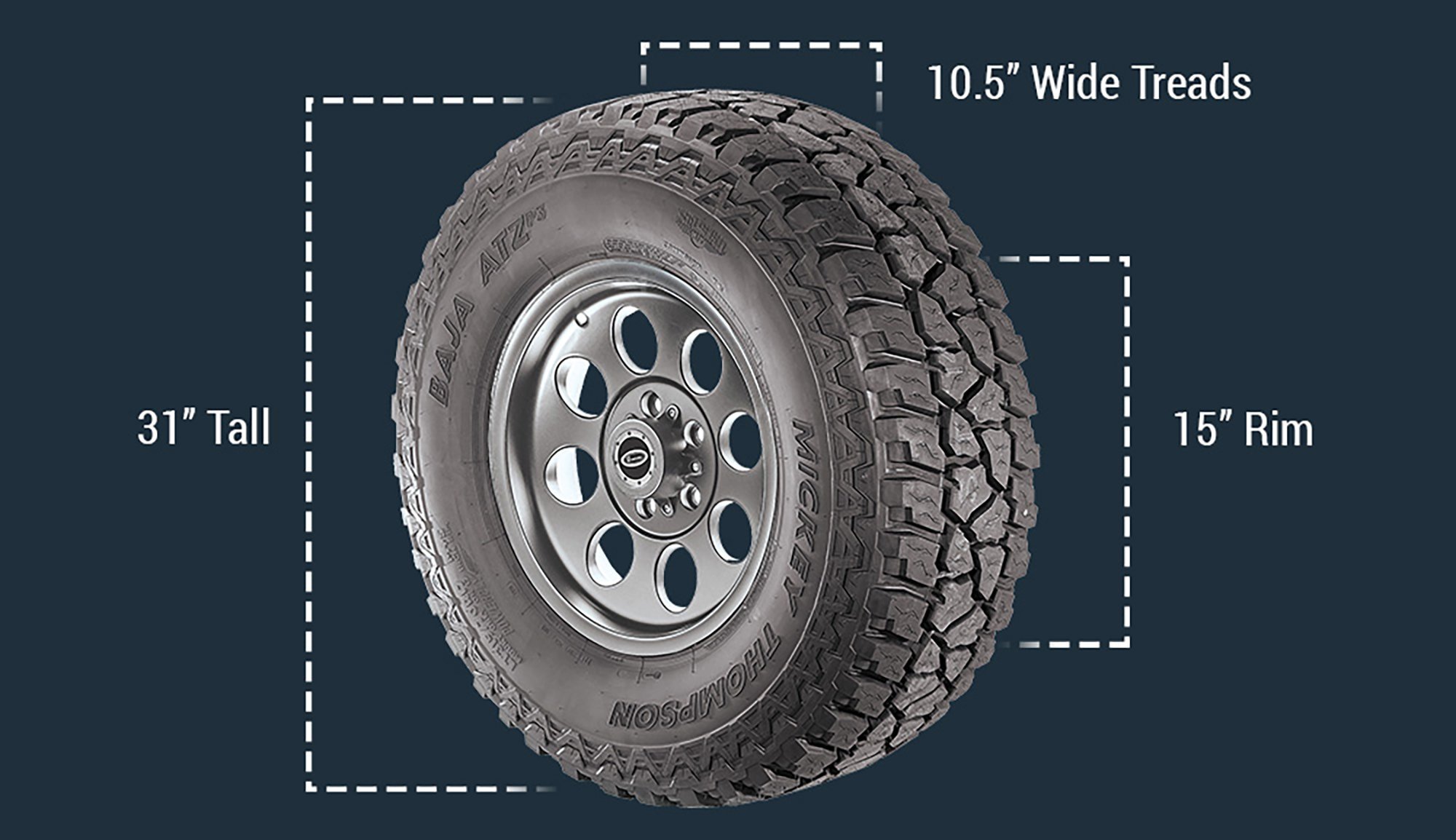
First, let's be clear: when we say "35-inch tire," we're talking about the overall diameter of the tire. Think of it as the height of the tire when it's fully inflated and standing upright. This is often expressed in inches, especially in North America, making it easy to visualize.
Must Read
But the tire industry loves to keep things interesting (read: confusing) with a dual system. Enter the metric tire size, typically formatted like this: XXX/YYRZZ. Let’s break it down:
- XXX: Tire width in millimeters.
- YY: Aspect ratio – the height of the tire sidewall as a percentage of its width.
- R: Indicates radial construction (virtually all modern tires are radial).
- ZZ: Rim diameter in inches.
So, how do we find the metric equivalent of a 35-inch tire? This is where some math comes in, but don't worry, we'll keep it simple.

The Magic Conversion: From Inches to Millimeters (and Back Again!)
Here's the general rule of thumb: a 35-inch tire typically translates to something in the ballpark of 315/70R17, 315/70R18, or 315/70R20. Notice the "315"? That's the width in millimeters. The "70" is the aspect ratio (sidewall height is 70% of the width). And the last number is the wheel (rim) diameter in inches.
Why "in the ballpark?" Because tire manufacturers sometimes fudge the numbers a little. A "35-inch" tire might actually measure 34.5 inches or 35.2 inches. Always check the actual measured diameter of the tire on the manufacturer's website before buying. This is crucial if you're trying to avoid rubbing or clearance issues on your vehicle.
Think of it like shoe sizes. You might wear a size 10 in one brand and a size 10.5 in another. Tire sizes can be similar!

Practical Tips for Finding Your Perfect Fit
Okay, so you know the metric equivalents. Now what? Here are a few practical tips:
- Consult a tire professional: Seriously, these guys (and gals) are experts. They can help you find the right tire for your vehicle and your needs.
- Check your vehicle's owner's manual: It will list the original tire size and may suggest alternative sizes that are compatible.
- Consider your vehicle's modifications: If you've lifted your truck or SUV, you'll have more clearance for larger tires. But make sure you don't go too big, as this can affect your vehicle's handling and fuel economy.
- Read reviews: See what other people are saying about the tires you're considering. Are they noisy? Do they perform well in wet conditions?
Beyond the Numbers: The Culture of the 35
There's a certain cachet associated with running 35-inch tires. It signals a commitment to off-road adventures, a willingness to explore beyond the paved path. It's like the automotive equivalent of wearing hiking boots instead of loafers.
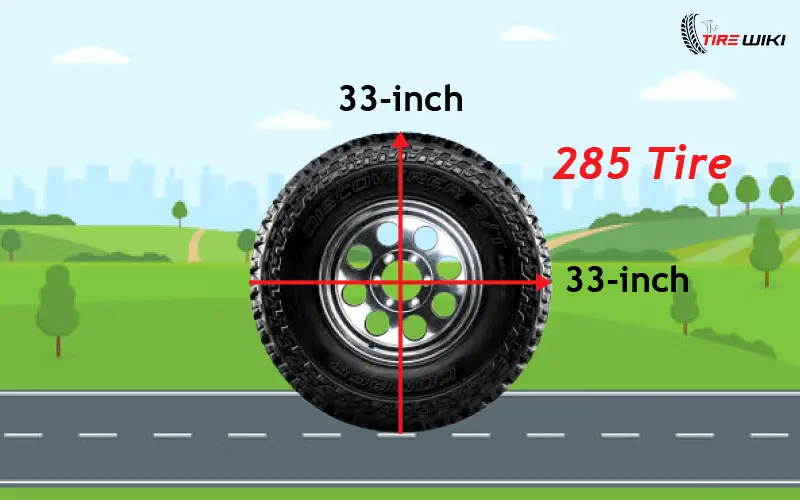
Pop culture references? Think of the countless modified trucks and SUVs you've seen in movies and TV shows. Chances are, many of them are sporting those iconic 35s. It's a look that says, "I'm ready for anything the world throws at me."
Fun Fact: The move to larger tires is sometimes called "upsizing." But, remember, responsible upsizing includes recalibrating your speedometer to maintain accurate speed readings!
Reflection: More Than Meets the Road
Understanding tire sizes might seem like a niche topic, but it's a great example of how attention to detail can improve your life. Whether you're tackling a challenging trail or just navigating city streets, having the right tires can make all the difference. It's about being prepared, informed, and making smart choices. So, the next time you see a vehicle sporting those impressive 35s, you'll know exactly what they mean – and maybe even be inspired to explore your own road less traveled.