
What Should Temp Be In House
Alright, let's talk about something that secretly dictates our daily comfort and sometimes, our mood: the temperature inside our homes. It's more than just a number on a display; it's a feeling, a vibe, a crucial ingredient for that perfect slice of domestic bliss. Ever walked into a friend's place and thought, "Is it just me, or is it an icebox/sauna in here?" You're not alone! Finding your home's Goldilocks zone – not too hot, not too cold, but just right – is a journey of personal discovery, energy efficiency, and pure comfort.
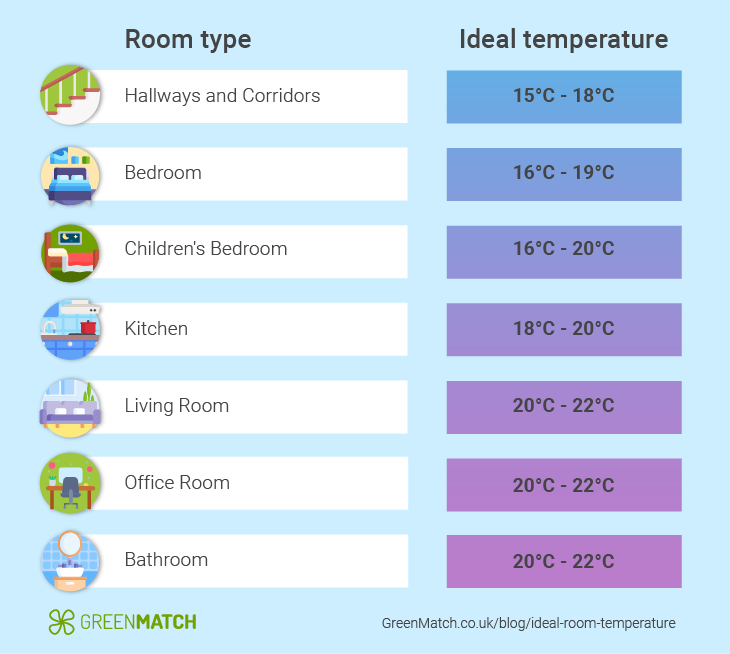
So, what's the magic number? While there’s no universal answer engraved in stone tablets, most experts and comfort-seekers generally hover around a sweet spot. For many, the ideal daytime temperature for active living falls between 68°F and 72°F (20°C to 22°C). This range is often considered optimal for keeping you alert without shivering or sweating. Think about it: a crisp autumn day indoors, where you can wear a cozy sweater without feeling stuffy. Ah, perfection!
But here’s the thing: that number is just a starting point. Your personal comfort thermometer is unique, influenced by a myriad of factors. Are you someone who's always bundling up, even in summer? Or do you perpetually feel warm, needing a fan even in winter? Our bodies are amazing thermostats themselves, constantly working to maintain a core temperature of around 98.6°F (37°C), but our skin perception can vary wildly. Listening to your body is key!
Must Read
Season by Season Serenity
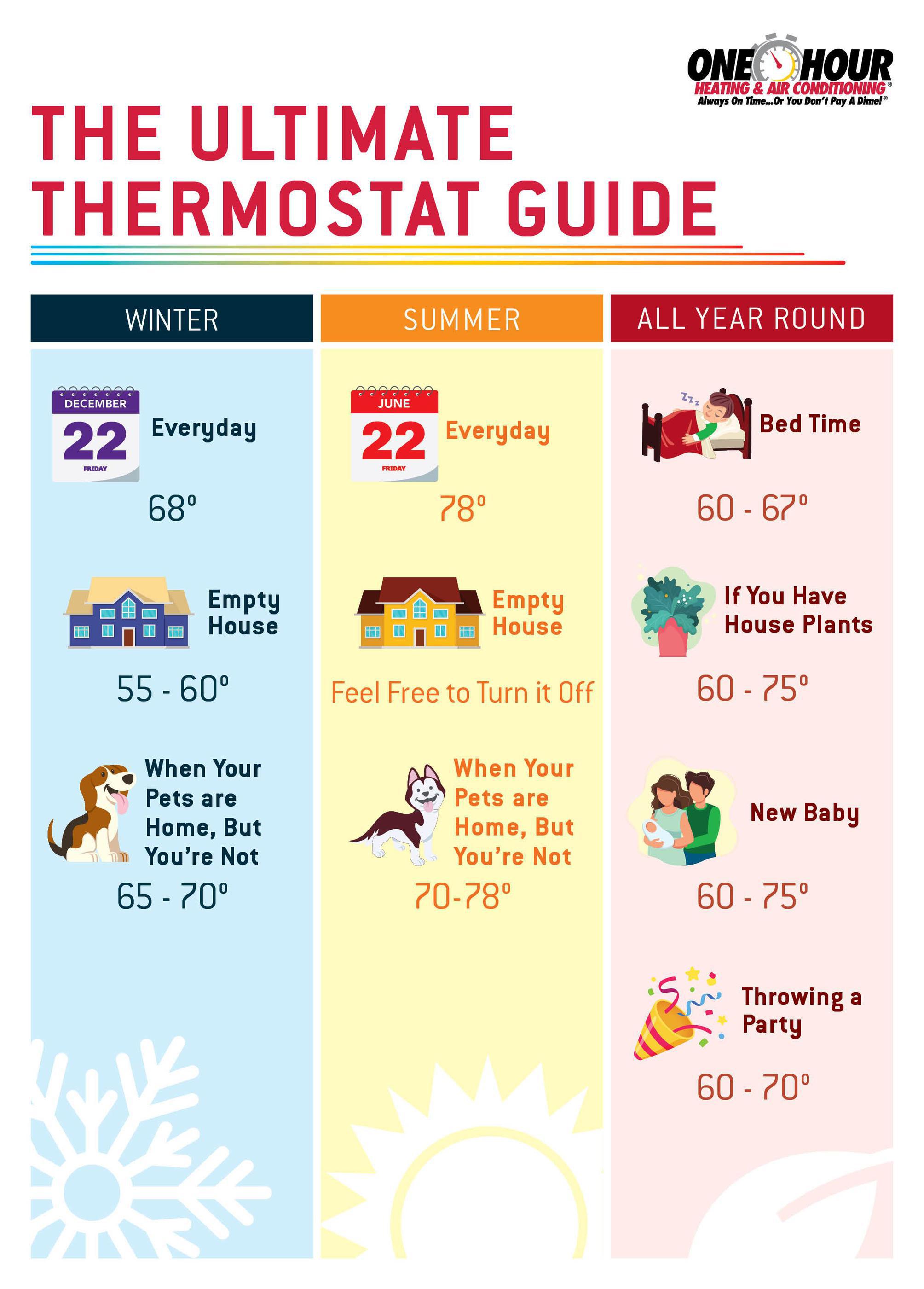
The "perfect" temperature definitely shifts with the seasons. In winter, you might find yourself nudging the thermostat up a degree or two, aiming for that snug, hygge-inspired warmth. A range of 68-70°F (20-21°C) during the day can feel incredibly comforting. At night, for better sleep, many prefer it cooler, around 60-67°F (15-19°C). Fun fact: your body naturally drops its temperature to initiate sleep, so a cooler room actually aids this process, leading to deeper, more restorative slumber.
Come summer, the game changes. You're fighting the outdoor heat, and your goal is often to stay cool without freezing yourself out of house and home (and racking up monstrous electricity bills!). Most recommend setting your AC between 72-78°F (22-26°C). Going too low doesn't actually cool your home faster, it just makes your system work harder for longer. A smart approach is to set it a bit higher when you're out, say 78-80°F (26-27°C), and then bring it down to your preferred comfort zone when you return. Remember, every degree you raise your AC in summer can save you 1-3% on your energy bill!

Beyond the Thermostat: Smart Habits & Practical Magic
Achieving optimal indoor comfort isn't just about setting a number; it's a lifestyle. First up: Smart Thermostats. These clever gadgets learn your routine, can be controlled from your phone, and even tell you how much energy you're saving. They are like having a personal climate assistant!
Next, think about layering. Just like dressing for the outdoors, layering indoors gives you flexibility. A light throw blanket on the couch, a cozy cardigan, or even just swapping out thick socks for lighter ones can make a surprising difference without touching the thermostat. It’s the ultimate energy-saving fashion statement!
Consider Zoning your home if you have the capability. Why cool or heat an unused guest room to the same degree as your living room? This allows different areas of your house to maintain different temperatures, catering to specific needs and saving energy. It’s like having multiple micro-climates under one roof.
Don't forget the power of natural ventilation and window treatments. In spring and fall, opening windows can be a fantastic way to circulate fresh air and regulate temperature. In summer, keeping blinds and curtains closed during the hottest part of the day can significantly reduce heat gain. In winter, opening them on sunny days lets in free warmth!
Who Else Lives Here?
Your ideal temp might also depend on who you share your space with. If you have elderly family members, they generally prefer warmer temperatures due to slower metabolisms. For infants and young children, maintaining a stable, moderate temperature is crucial for their well-being, usually around 68-72°F (20-22°C). And let's not forget our furry friends! While pets adapt, extreme temperatures can be uncomfortable or even dangerous for them. A general guideline is to keep it comfortable for you, and it'll likely be comfortable for them too.
Ultimately, your home's temperature is a reflection of your personal rhythm, your comfort needs, and your eco-conscious choices. It's about finding that sweet spot where you feel relaxed, productive, and truly at ease. So, take a moment to tune into your home's climate. Play around with your thermostat, try some of these tips, and discover what makes your sanctuary truly feel like yours. Because a comfortable home isn't just a luxury; it's the backdrop to your best life, one perfectly tempered moment at a time.
