
What To Do For Frozen Pipes
Imagine this: you wake up, groggy, ready for that first glorious coffee. You turn the tap… nothing. Or maybe just a pathetic little dribble. Uh oh. Your pipes, my friend, have decided to throw a frosty slumber party. It sounds like a headache, right? But honestly, dealing with frozen pipes can be a weirdly fascinating, almost theatrical experience! We're about to dive into the chilly drama with some laughs and zero panic. Because really, what's cooler than understanding the secret life of water in your walls? (Pun absolutely intended.)
The Mystery of the Missing Water
So, you've got no water. Or maybe just a sad little gasp from the faucet. Don't fret! This isn't the end of the world. It just means some water in your pipes has decided to take a very solid, very inconvenient nap. This is where the detective work begins.
Here’s a mind-bender: most liquids shrink when they freeze. Not water! Oh no, water decides to be special. It expands when it turns into ice! This is why ice cubes float, and it's also why your pipes get super stressed. That ice is literally pushing outwards, trying to burst free. It's like a tiny, frozen superhero trying to escape its metal confines. Fascinating, right?
Must Read
Playing Detective: Finding the Culprit
First things first: which pipe is the frosty culprit? Often, it's a pipe on an exterior wall, in an unheated basement, or crawling through a crawl space. These are the adventurous pipes, the ones that like to feel the chill.
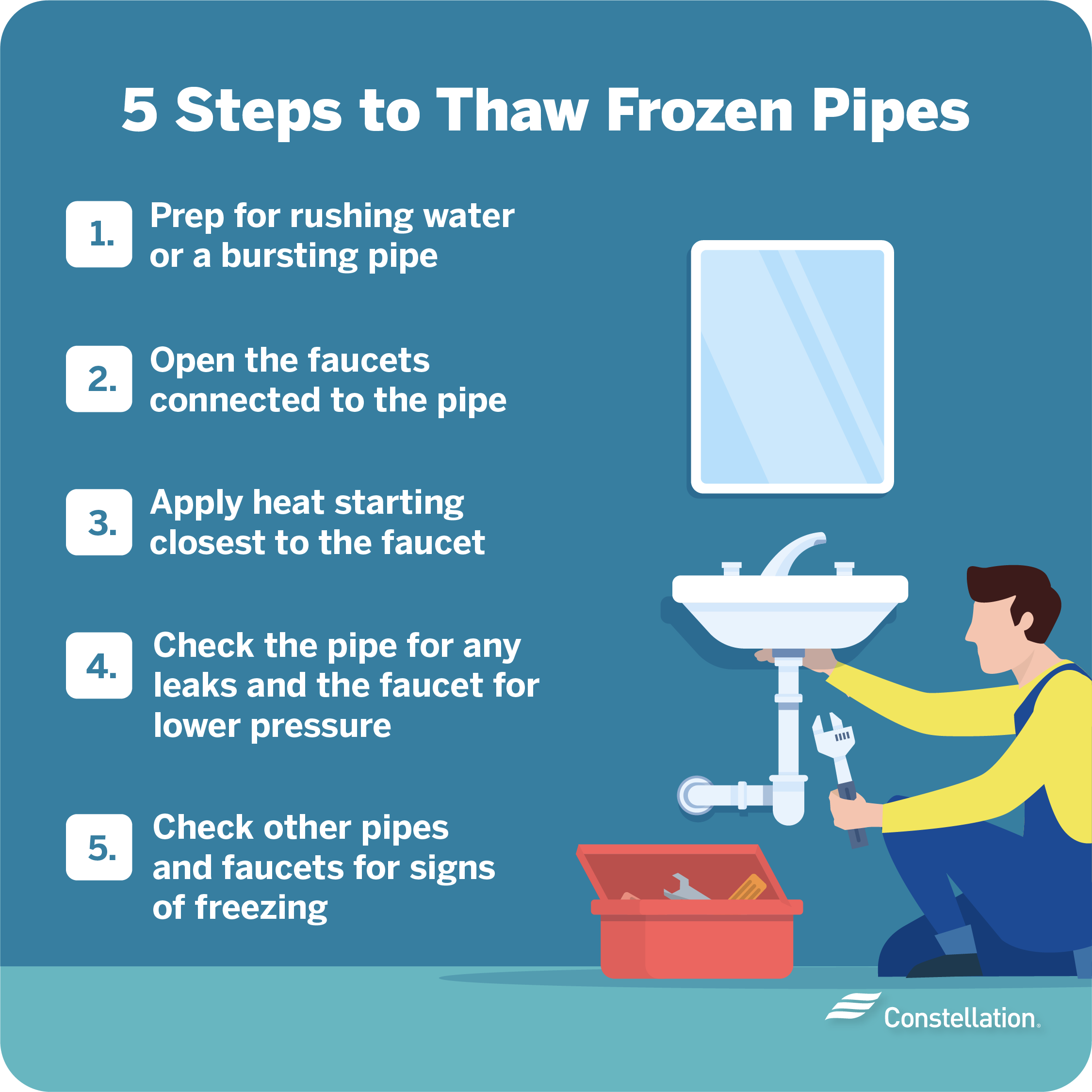
Start by turning on all your faucets, both hot and cold. This relieves pressure and helps you pinpoint where the blockage is. Listen for a faint whistling or even just silence. If one tap flows and another doesn't, you've narrowed down your search. If none of them flow, the freeze is likely closer to your main water line entry point. Grab a flashlight and start visually inspecting those exposed pipes. Look for frost on the outside or any obvious bulges. That bulge is the tell-tale sign of ice trying to break free.
Remember, water expands by about 9% when it freezes. That's a significant squeeze for a rigid pipe! It's like trying to fit an extra-large watermelon into a small shopping bag. Something's gotta give.
Operation Thaw: Gentle Persuasion
Once you've located the frozen section, it's time for some gentle thawing. And we mean gentle. This isn't a race; it's a delicate operation.
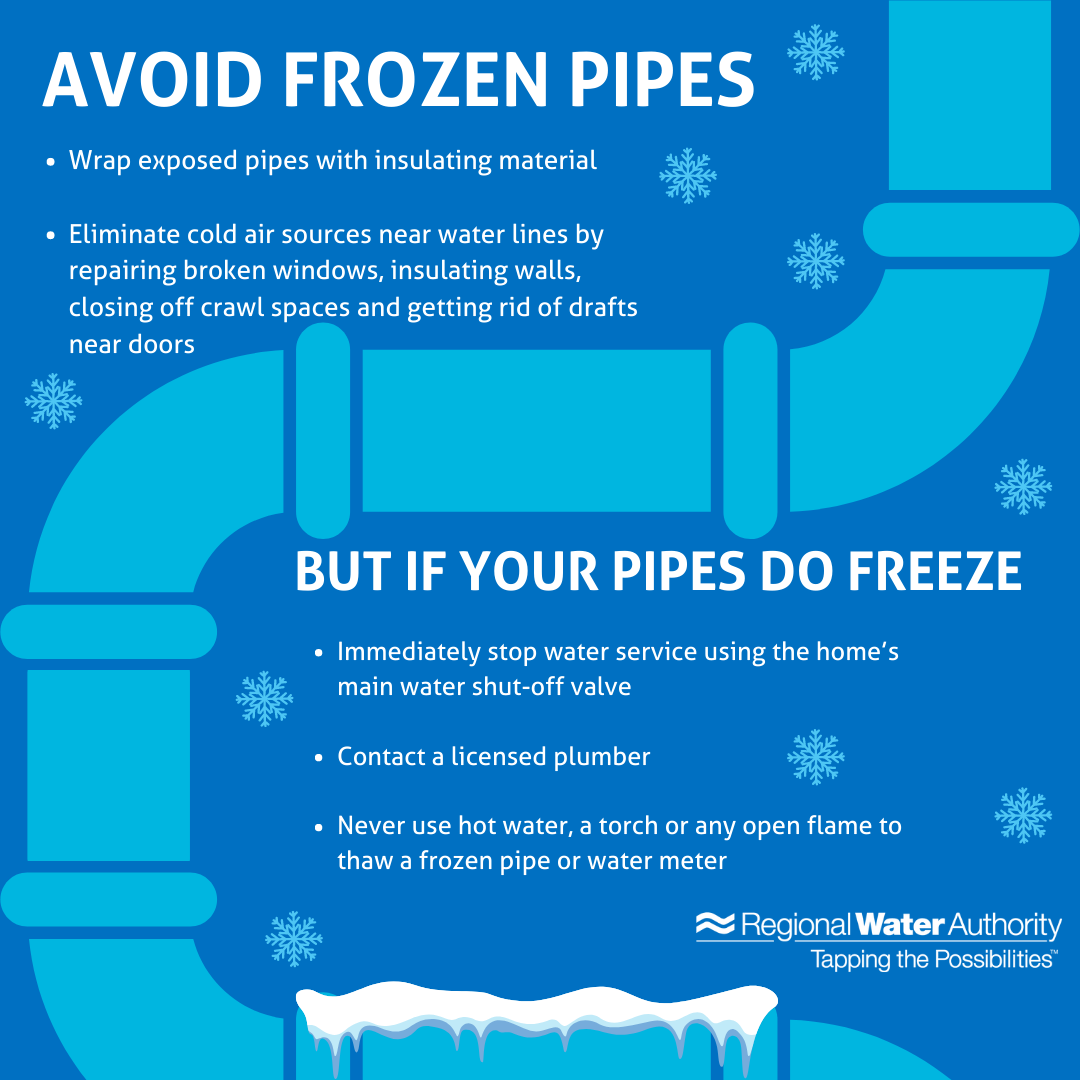
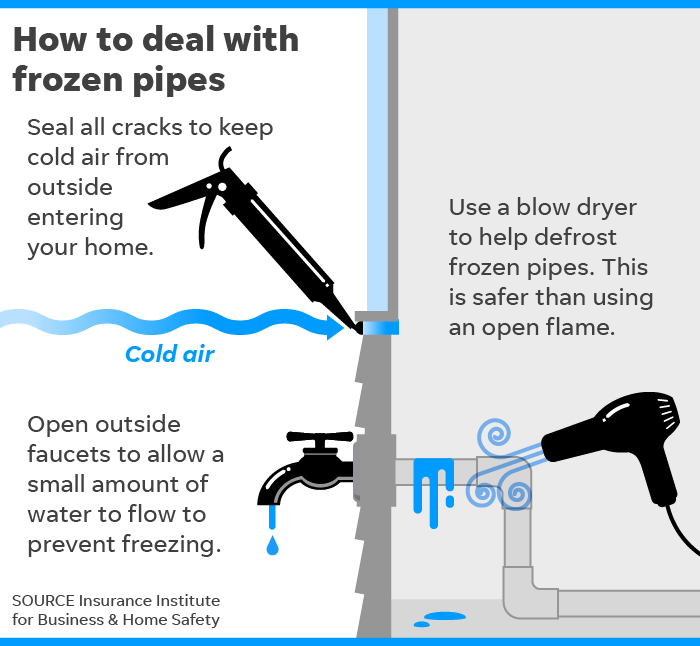
DO: Grab a hairdryer! Set it to a medium heat. Wave it back and forth along the frozen section. Think of it as giving your pipe a warm, comforting hug. Keep it moving to distribute the heat evenly. This is your safest, most common thawing tool.
DO: Use a heating pad. Wrap it around the frozen pipe. Or even warm towels! Soak towels in hot water, wring them out, and wrap them around the pipe. Replace them as they cool. Patience is your superpower here.
DO: Keep those faucets open! As the ice melts, you want that water to start flowing. This also helps melt any ice downstream.

Now, for the "absolutely do not do" list. This is important, folks!
DON'T: Ever, ever, ever use an open flame. No blowtorches! You're trying to fix a pipe, not turn your home into a bonfire. Seriously, that's a one-way ticket to a much bigger, hotter, and more expensive problem. We're aiming for warmth, not scorching.
DON'T: Try to hammer or hit the pipe. You'll just damage it further and potentially cause a burst. Imagine someone hitting you when you're already stressed!

DON'T: Use electric heaters too close to flammable materials or without proper supervision. Safety first, always!
Did you know that water actually freezes faster at 0 degrees Celsius (32 Fahrenheit) than it does at slightly below freezing? This is a bit of a simplification, but the point is, those initial degrees below freezing are key for ice formation. It's not just about "really cold," but also about the duration of that specific cold snap.
The Grand Finale: Prevention is Your Superpower!
Once your pipes are happily gurgling again, let's talk about avoiding a repeat performance. Because honestly, the best frozen pipe story is the one you never have to tell!
Drip those faucets! A slow, steady drip keeps water moving. Moving water is happy water, less likely to freeze solid. It’s like a tiny, constant dance party for your H2O.
Open cabinet doors under sinks on exterior walls. Let the warm air from your home circulate around those pipes. You're basically giving your pipes a cozy blanket of ambient warmth.
Insulate exposed pipes. Foam pipe insulation is cheap, easy to install, and acts like a tiny winter coat for your plumbing. It's fashion and function!
Seal up cracks and holes in exterior walls or foundations. Cold air sneaking in is the enemy of warm pipes. Think of it as tucking your house into bed.
Dealing with a frozen pipe can feel like a mini-adventure. It's a chance to play detective, a brief moment to understand the quirks of physics in your own home, and a reminder of how resilient our everyday systems (and ourselves!) can be. So next time the mercury drops, you'll be ready, armed with knowledge, a hairdryer, and maybe a chuckle about water's weirdly expansive personality. Stay warm out there!